Close Encounters
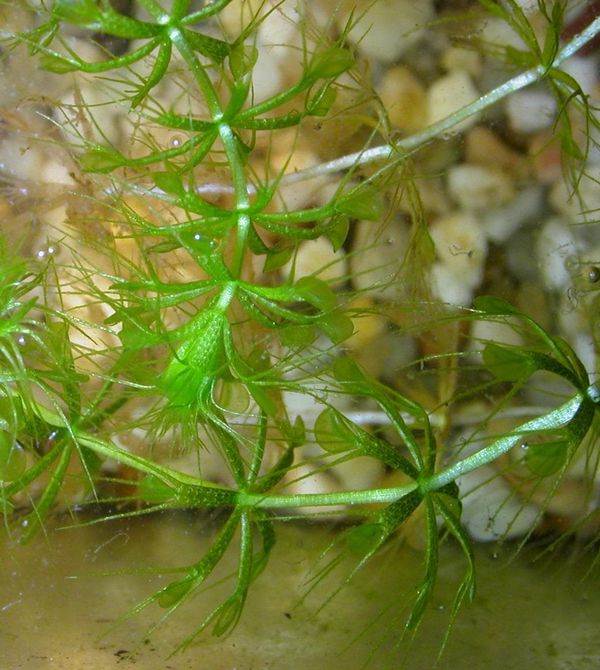
Daphnia are bite-size for the carnivorous waterwheel plant
The Venus Fly Trap is not the only carnivorous plant with a snap-trap. Aldrovanda vesiculosa, the waterwheel plant, has one too but it’s not always been clear how it works.

Close Encounters
The Venus Fly Trap is not the only carnivorous plant with a snap-trap. Aldrovanda vesiculosa, the waterwheel plant, has one too but it’s not always been clear how it works.

Close Encounters
It’s known that microbes in the soil can help plants fight pests. Now research published in New Phytologist shows that plants can be used to create anti-pest microbiomes.
Cells, Genes & Molecules
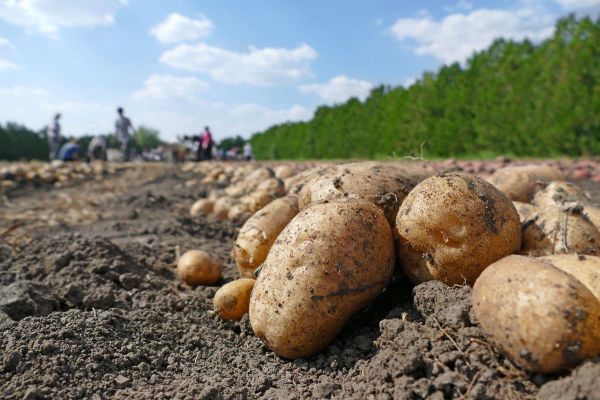
Bacteria found with potatoes can help protect their hosts against late blight. The aid comes from their volatile emissions.
Close Encounters
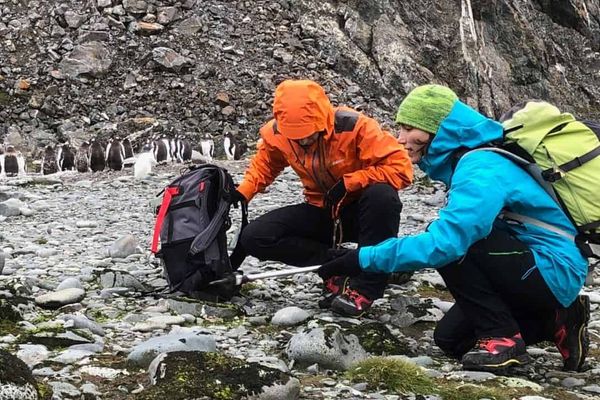
Lichens are partnerships between algae and fungi. In the Antarctic Lichens offer algae shelter against the cold, but also an uncertain future.
Close Encounters
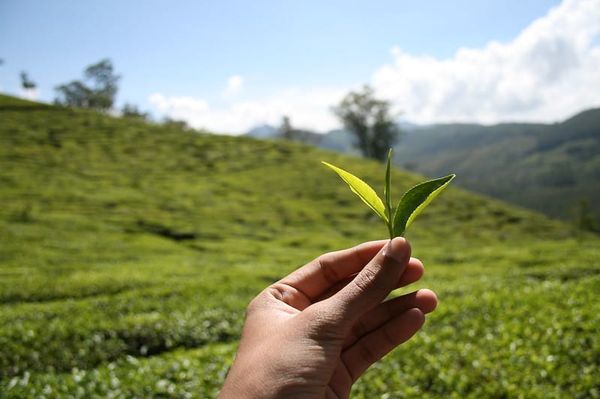
Ramoneda et al. propose specific experimental approaches to utilize the wild ancestors of crops to determine whether crop domestication compromised the benefits derived from root microbial symbioses or not.
Close Encounters
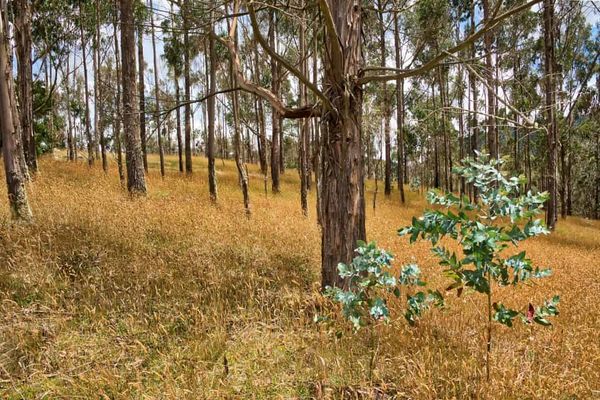
The B-horizon in soil is created through interactions between plants and rhizosphere organisms.

Close Encounters
Invasive species might suffer from a change in conditions in tidal areas, but their hybrid offspring may have genes to survive.
Cells, Genes & Molecules
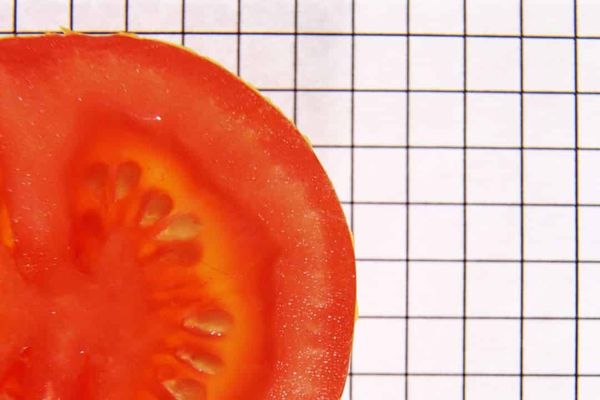
Foraging for nutrients is easier when something else does it for you, but how can tomatoes better attract a partner?
Close Encounters
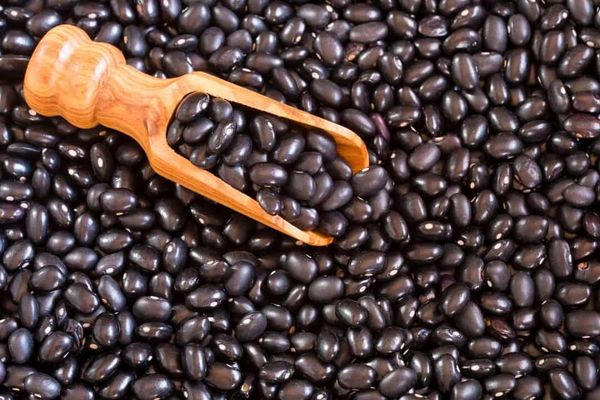
A new study of wild crop relatives of common bean (Phaseolus vulgaris) finds they retain useful adaptations to drought stress.
Close Encounters
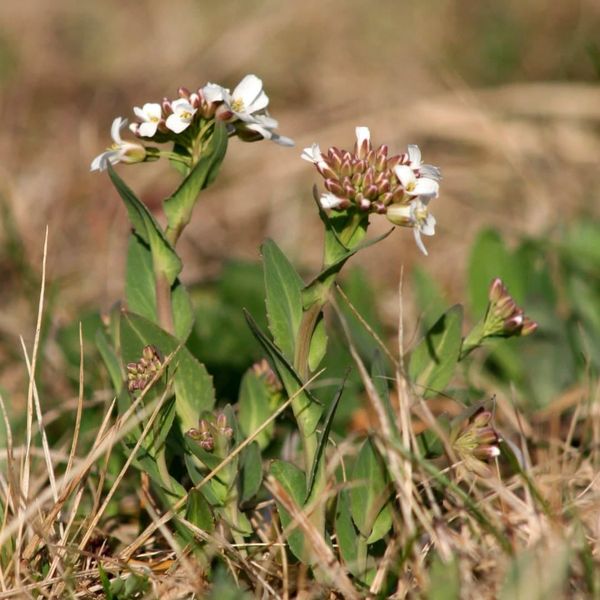
Building up toxic metals in the leaves won’t deter snails from taking a nibble, if the leaf is sweet enough.
Close Encounters
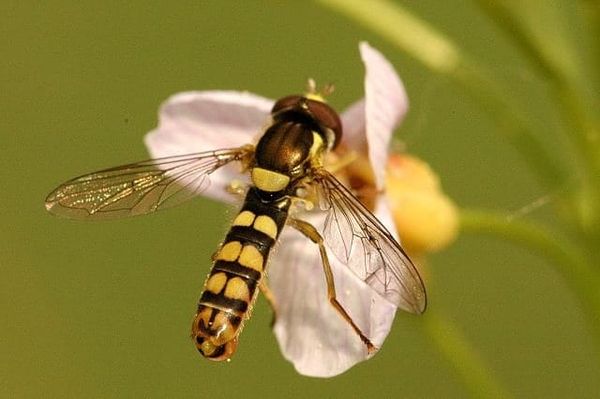
It was thought that carnivorous plants put their flowers well away from their traps to avoid catching pollinators. Research from Asia suggests that something more complex could be happening.
Close Encounters
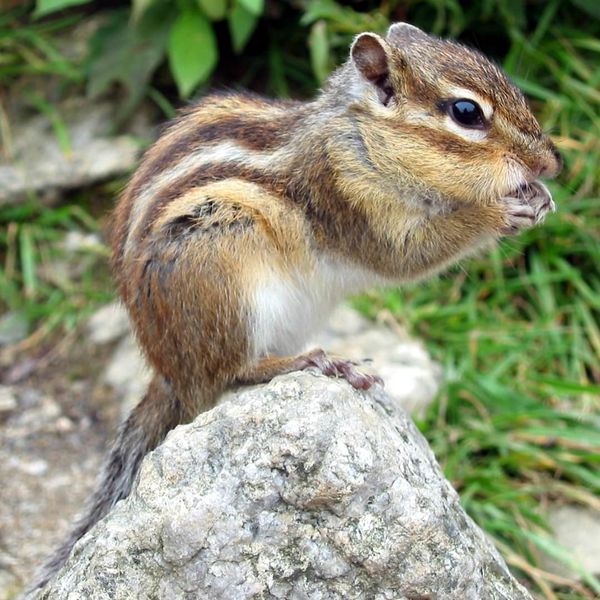
You might expect acorn-eating chipmunks to be the enemies of oaks. New research out of Henan and Jiangxi suggests that the chipmunks aid oaks because acorns are not the only babies that the chipmunks eat.