Close Encounters
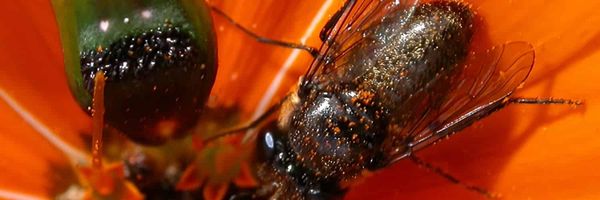
Daisy’s Intricate Fly Decoy Attracts Pollinators with Ingenious Gene Repurposing
A flower has found a shortcut to attracting males through sexual deception.

Close Encounters
A flower has found a shortcut to attracting males through sexual deception.

Close Encounters
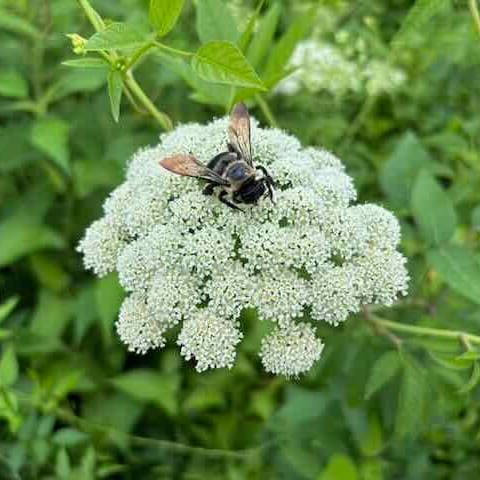
Native plants that suffer when black mustard invades their patch do much better when a neighbour helps.
Close Encounters
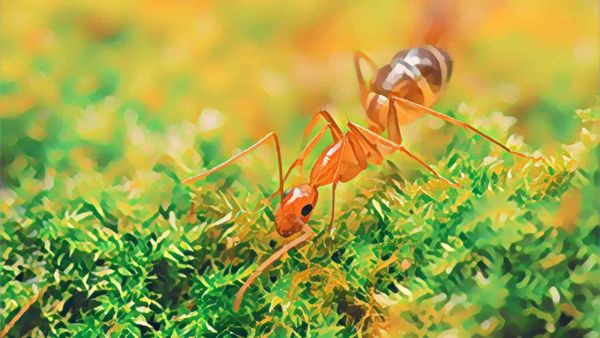
Invasive ants can stop visitors from properly pollinating native plants, damaging their chances of reproduction.
Close Encounters
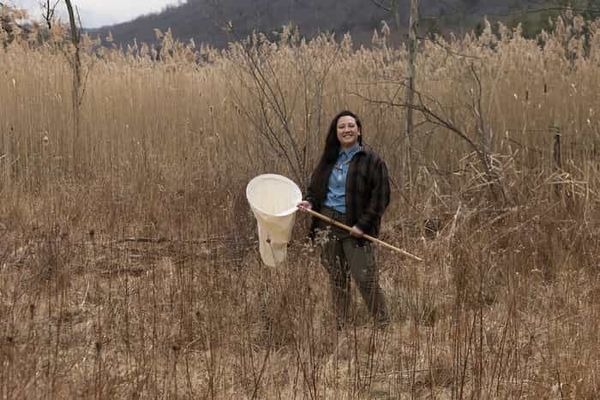
Human-caused disturbances can affect the ability of animals to help spread seeds, which could reduce the amount of plant diversity in some forests.
Cells, Genes & Molecules
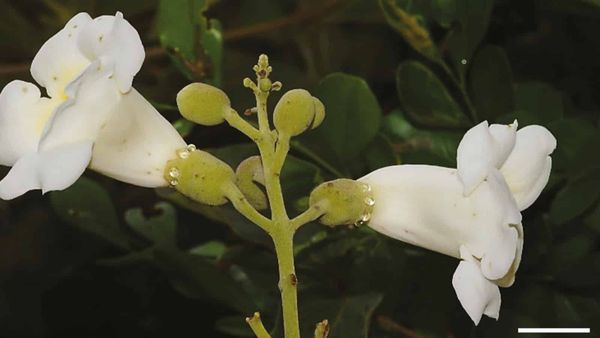
A South American liana creates two different nectars for visitors. A new study finds out why.
Close Encounters
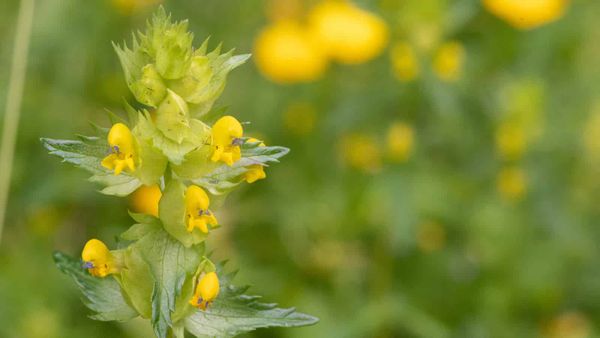
Herbivores often specialise in the plants they persecute, but European Yellow Rattle can tackle many different species and steal their goodies.
Close Encounters
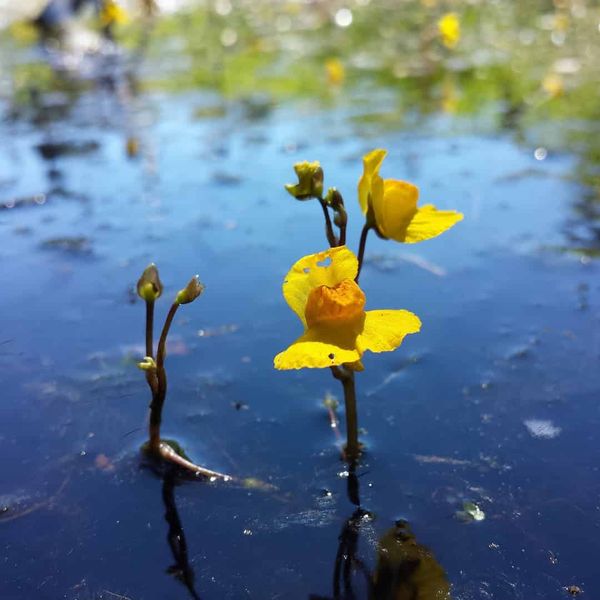
Carrying dengue fever and Zika virus, the Asian tiger mosquito is a danger to humans. Italian scientists have examined whether plants could help reduce their numbers.
Close Encounters
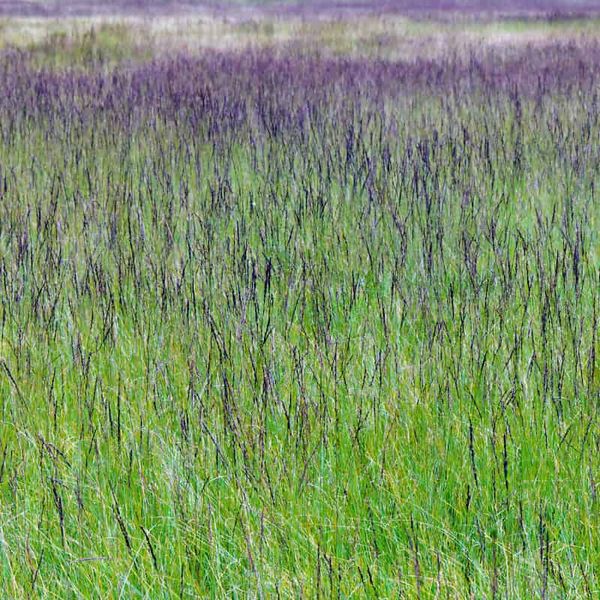
Molinia caerulea out-wrestles Quercus petraea in the battle for better ectomycorrhizal colonization.
Close Encounters
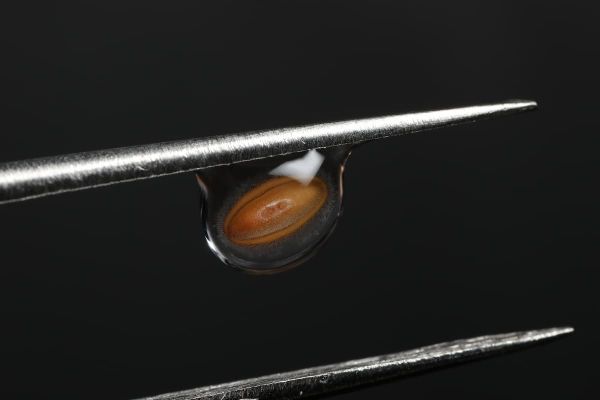
Life would be easier for some seeds if they were a little sticker, but warming seasons may have the opposite effect.
Close Encounters
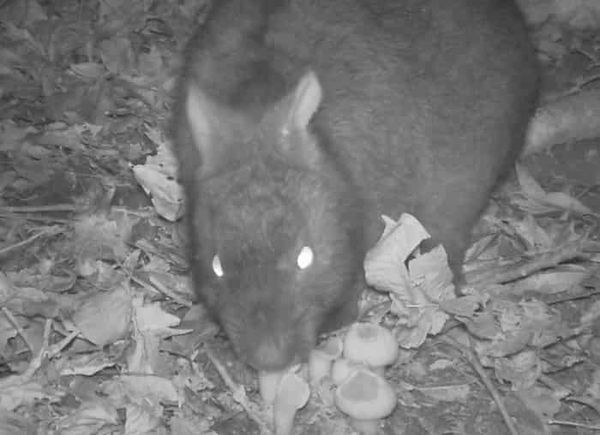
Rabbits tend to nibble on vegetation rather than dry fruits, but the black Amami rabbits of Japan seem to be eating the fruits and spreading the seeds of an unusual plant.
Close Encounters
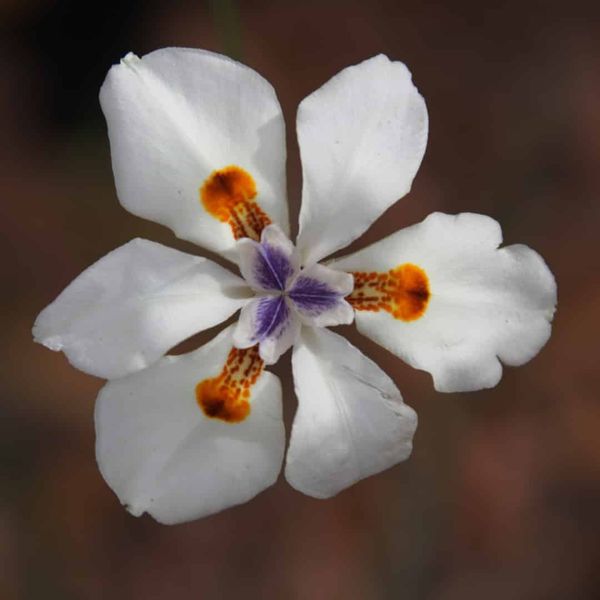
A bee can approach a flower from any direction, but markings on the flower help guide bees in the most effective way, like a natural air traffic control.
Close Encounters
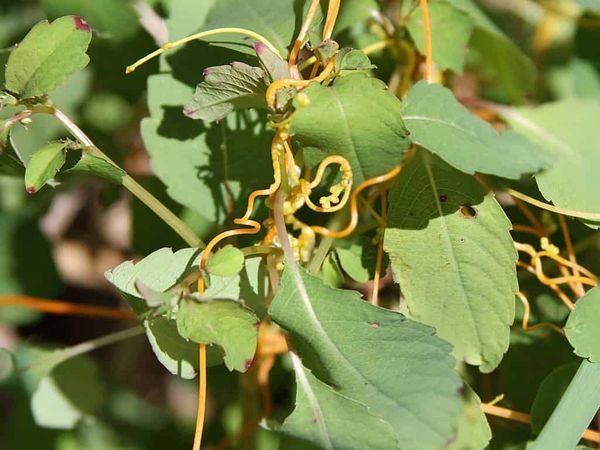
Scaldweed, Cuscuta grovonii, can prevent an invasive plant from using soil microbes to help invade territory – and the parasite can even become more vicious by using those same microbes against its invasive host.