
Cells, Genes & Molecules
Does Viagra really help preserve flowers?
It is said that sildenafil citrate can help preserve flowers. Here’s an experiment that you could do at home, but probably shouldn’t, to find out.

Cells, Genes & Molecules
It is said that sildenafil citrate can help preserve flowers. Here’s an experiment that you could do at home, but probably shouldn’t, to find out.
Cells, Genes & Molecules
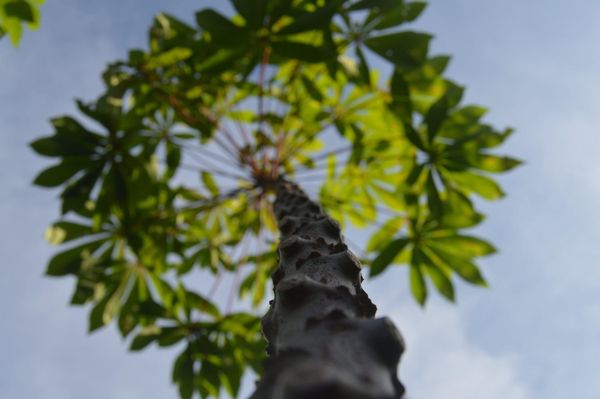
Dong et al. identify and characterise the cassava TLP gene family, MeTLP, at the genomic level.

Cells, Genes & Molecules
THCA and CBDA were thought to have a simple mode of inheritance; however, a recent study by Vergara et al. describes that in fact multiple gene copies are involved in their production.
Cells, Genes & Molecules
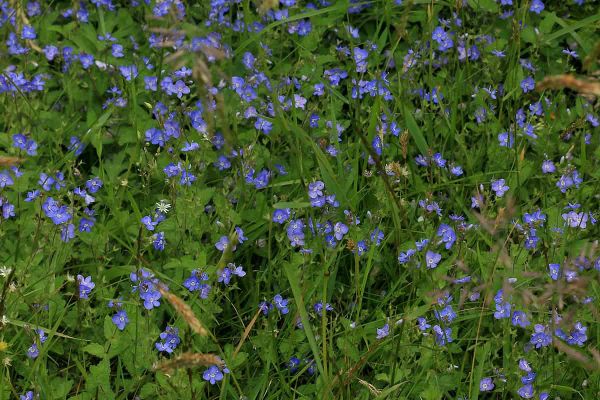
Species with higher ploidy levels prefer cooler, wetter habitats than diploids.
Cells, Genes & Molecules
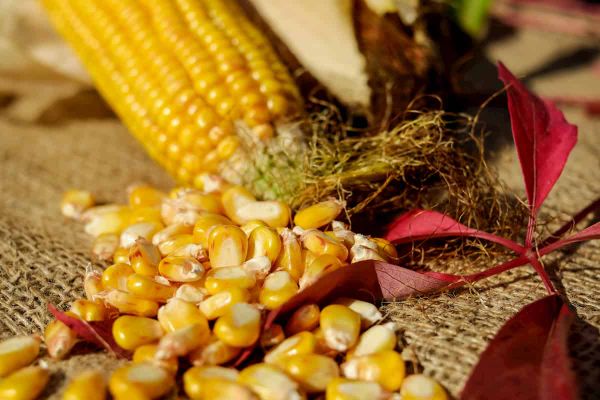
Earlier consumption and less processing makes sweetcorn a better source of dietary zinc.
Cells, Genes & Molecules
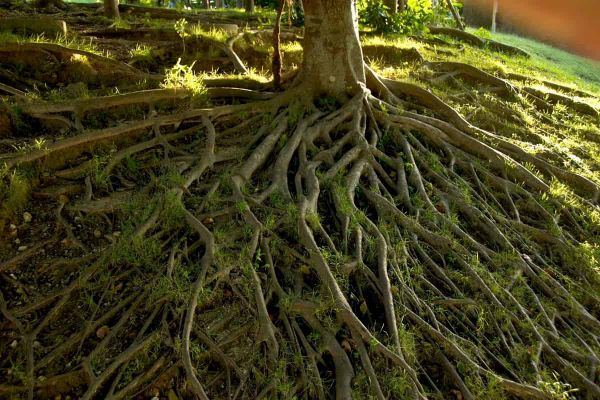
Roots are critical for plants to find water and nutrients. They can also be expensive to grow, so a plant needs to send them in the
Cells, Genes & Molecules
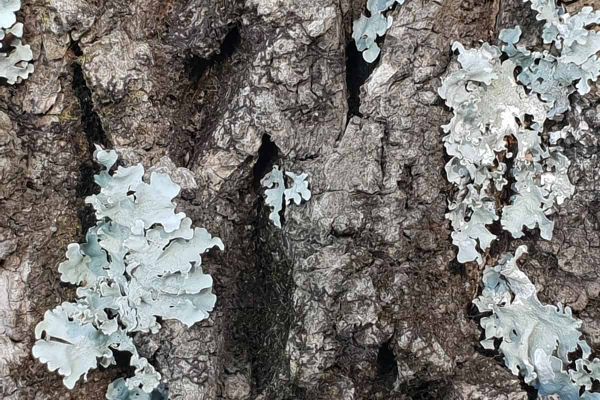
Lichen algae respond to desiccation with both a controlled collapse of their cell walls and a bit of biochemical remodelling.
Cells, Genes & Molecules
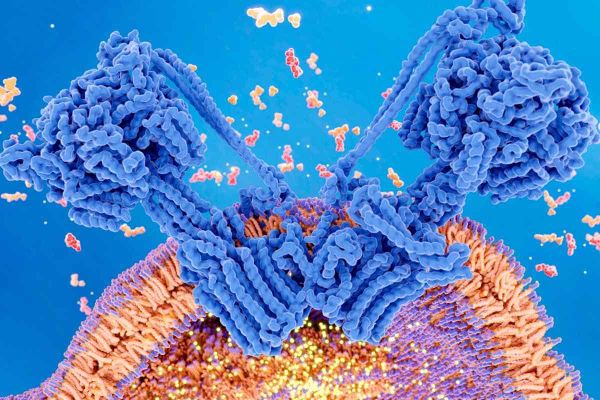
Adenosine triphosphate (ATP) is well-known for its role in cells as acting almost like currency for energy storage. Research by Elsa Matthus and colleagues shows
Cells, Genes & Molecules
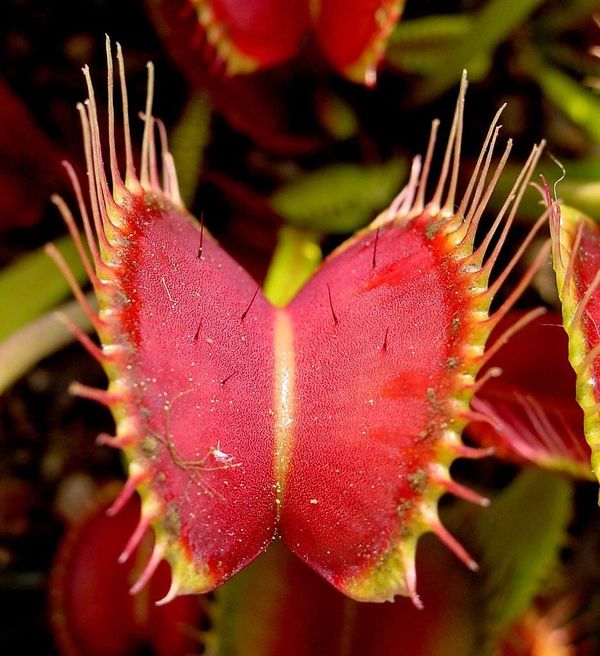
Diethyl ether renders flytraps unable to close their traps or respond to wounding using a mechanism with parallels in animals.
Cells, Genes & Molecules
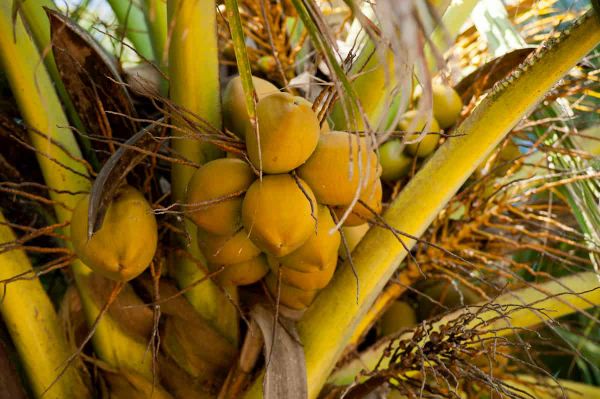
Palms are vitally important due to their high vegetable oil production, which can occur in both fruits and seeds. The full range of lipid storage and composition, however, hasn’t been well understood across this large and diverse group.
Cells, Genes & Molecules
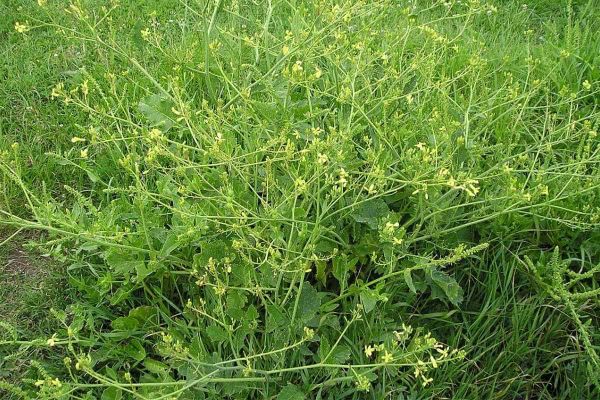
Resistance to 2,4-D in wild radish is complex and appears to vary in its mechanism from one population to the next, but new research suggests that lower receptivity at the plasma membrane is part of the answer.
Cells, Genes & Molecules
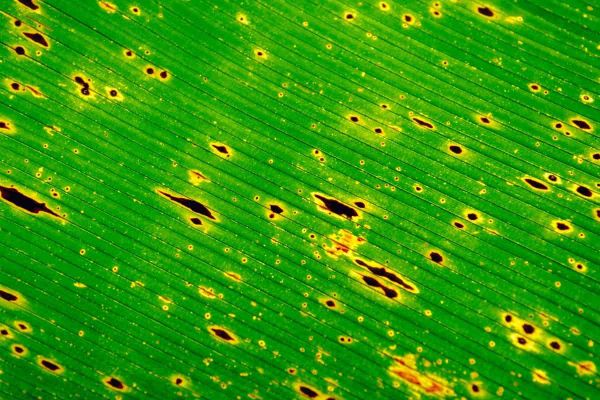
Plants use receptor proteins on the surface of their cells to recognise danger signals from pathogens. A paper recently published by Li, Wang and Mou in