Cells, Genes & Molecules
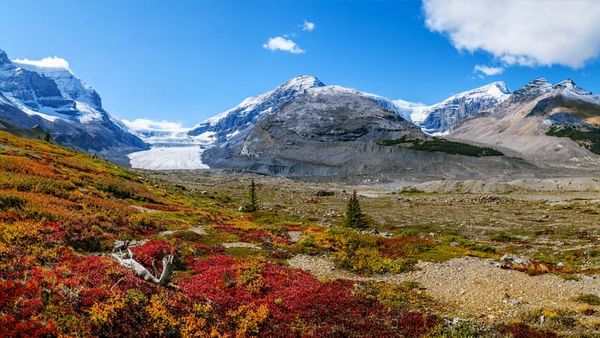
Are species hiding in the Arctic?
Some of the problems that limit the number of species in the Arctic might also contribute to creating new species.

Cells, Genes & Molecules
Some of the problems that limit the number of species in the Arctic might also contribute to creating new species.
Cells, Genes & Molecules
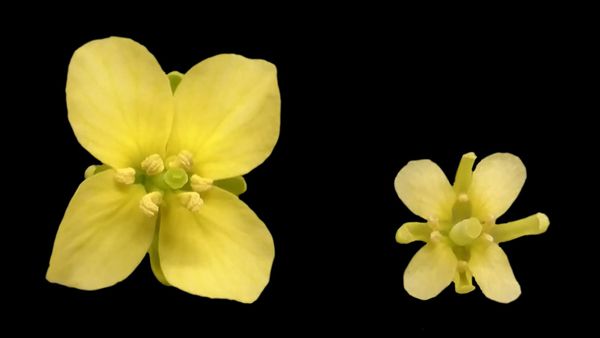
Both Van Gogh and Nature like to use sulphur-derived pigments for flowers, but what happens when there’s not enough sulphur?
Cells, Genes & Molecules
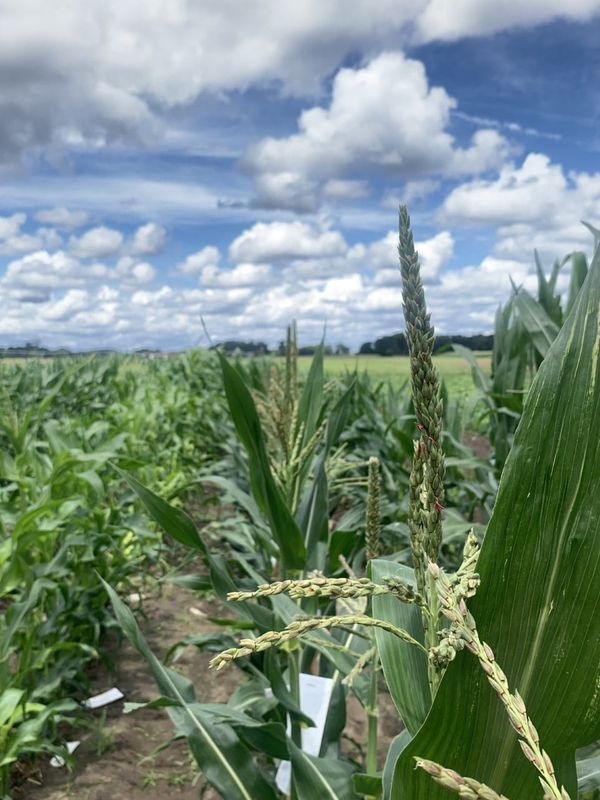
The ugly duckling of corn may hold the key to having better grains in the future.
Cells, Genes & Molecules
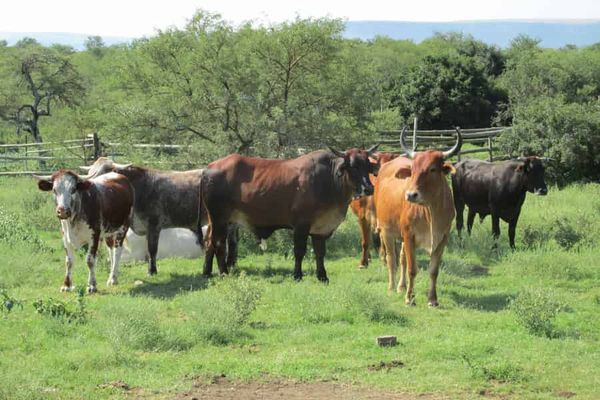
Botanists demonstrate a novel, effective approach to allele discovery in diverse accessions using a draft reference genome from a single species.
Cells, Genes & Molecules
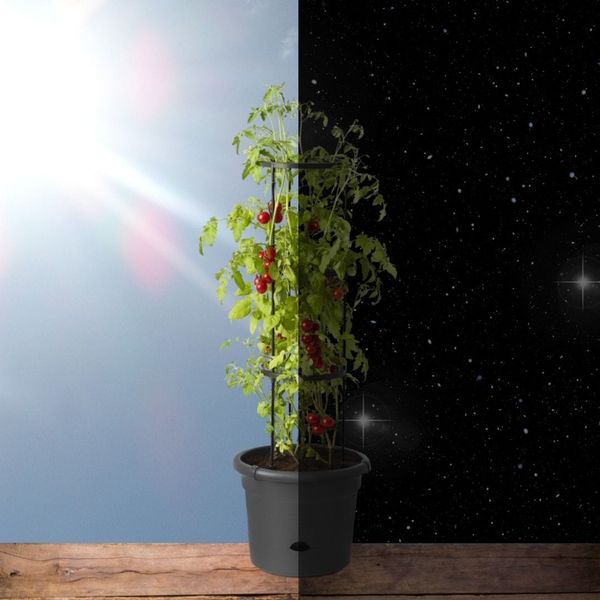
Recalibrating models using absolute – instead of relative – mass units makes it possible to test modelled transcription rates against biochemical data.
Cells, Genes & Molecules
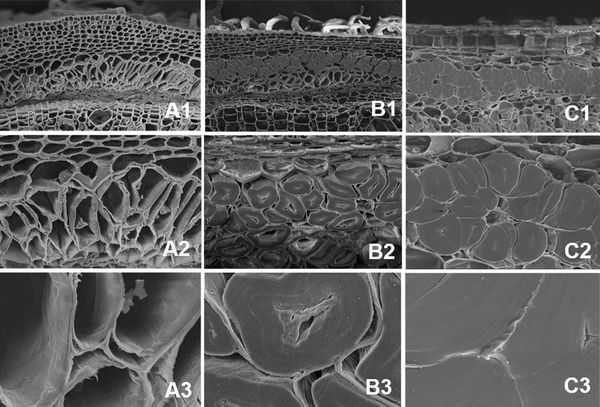
Can electron microscopy techniques provide new insights into the development of primary phloem fibres in hemp?
Cells, Genes & Molecules
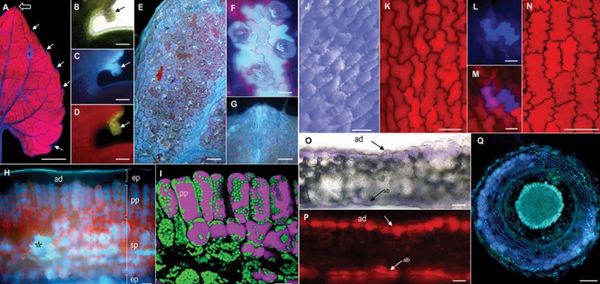
¿Puede la microscopía de fluorescencia ser usada como una herramienta rápida para evaluar cuantitativamente el perfil de compuestos fenólicos de un tejido vegetal vivo?
Cells, Genes & Molecules
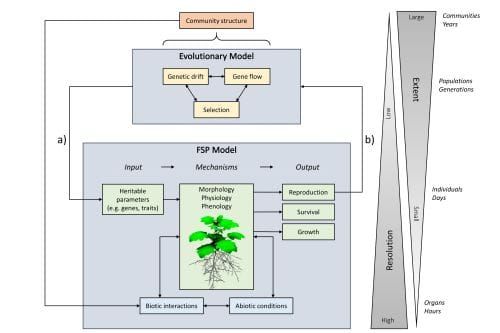
Functional-structural plant modelling is the key to predicting how plant communities will respond to climate change.
Cells, Genes & Molecules
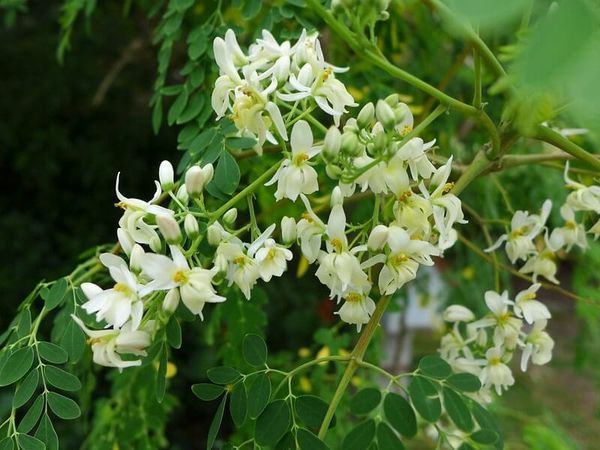
Una planta de regiones tropicales y subtropicales de Asia podría ayudar a combatir plagas de hambrientos ácaros.
Cells, Genes & Molecules
Can fluorescence microscopy be used as a rapid tool to quantitatively assess the phenolic profiles of living plant tissues?
Cells, Genes & Molecules
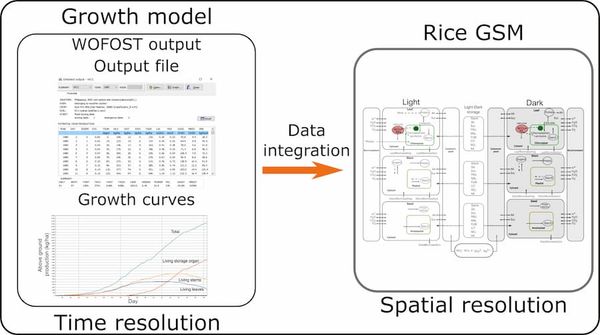
Integrated growth and metabolic models predict the metabolism of rice growth under normal and water-limited conditions.
Cells, Genes & Molecules
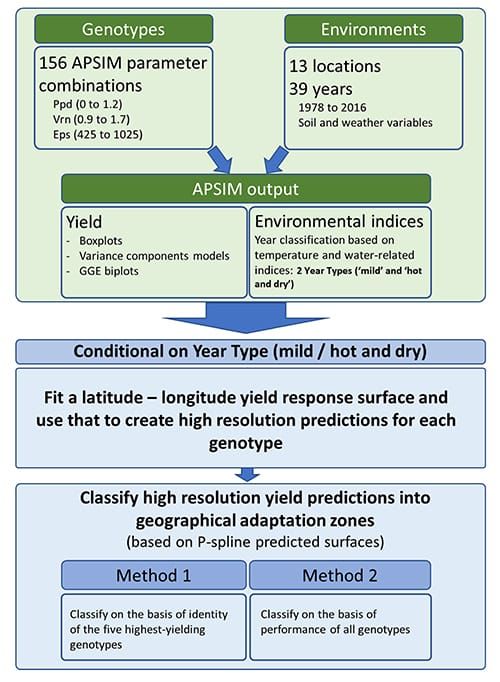
Models fill in the data gaps to identify genotypes to maximize yield across the NE Australian wheat-belt under climate change.