Botany One
Read in
  • ZH
  • DE
  • EN
  • ES
  • FR
  • JA
  • PT
  • Home
  • Home
  • About Us
  • Archive
  • Hot Botany
  • Species Dashboard
  • Trading Card Generator
  • Manage email subscription

Tag

Cells, Genes & Molecules

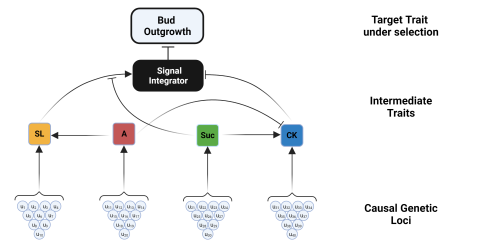
A flow diagram with three horizontal levels. The bottom level is causal genetic loci listing 4 genes for each intermediate tr

Cells, Genes & Molecules

The benefits of a network view of selection response for complex traits

A new gene-to-phenotype network for shoot branching.

Rachel Shekar · 28 Jul 2022

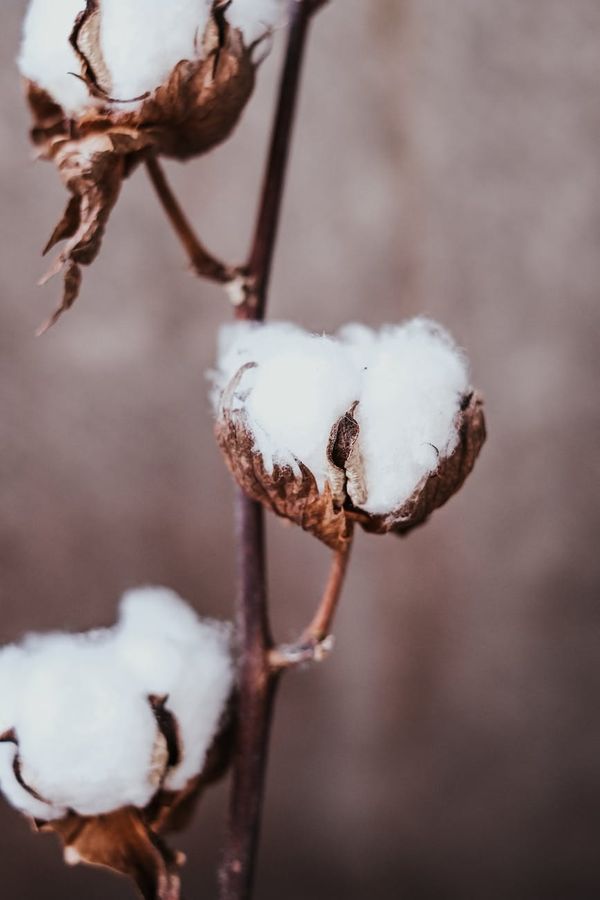
cotton plant with dried leaves

Cells, Genes & Molecules

Unraveling the mechanisms of producing high quality cotton

A new study uses computational modelling to determine how and why cotton quality develops.
Rachel Shekar · 17 Jun 2022

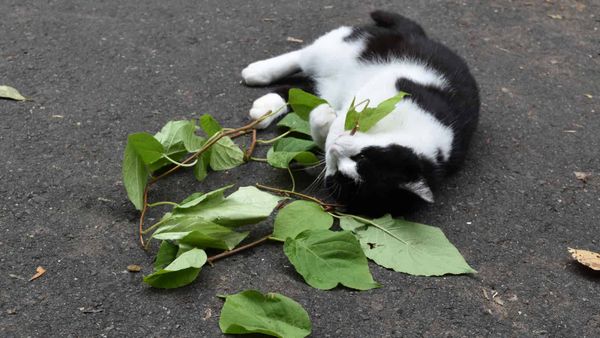
A cat wrestling with a branch of silver vine.

Cells, Genes & Molecules

Why do cats act so strangely around catnip?

It’s not food, so why would cats chew on catnip and silver vine? Scientists have found cats are improving the plants’ mosquito repellent by damaging the leaves in a specific way.

eurekalert, Alun Salt · 14 Jun 2022

Modular models allow users to focus on biology rather than programming

Cells, Genes & Molecules

Modular models allow users to focus on biology rather than programming

Presenting BioCro II: an updated software package for modular crop growth simulations.
Rachel Shekar · 18 May 2022

Why don’t plants need sunscreen?

Cells, Genes & Molecules

Why don’t plants need sunscreen?

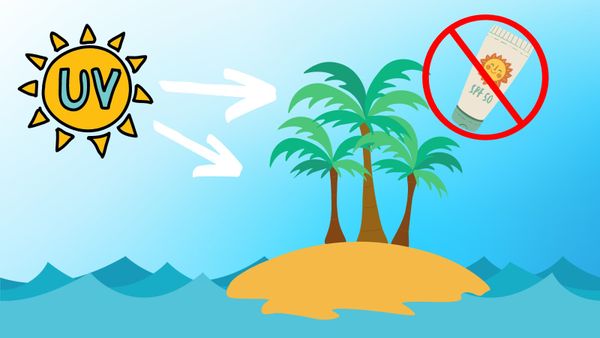
Plants have no opportunity to get out of the sun into the shade, so how do they avoid damage by UV-B light? The answer lies in the cuticle, the outermost layer of a plant.
Alun Salt · 16 May 2022

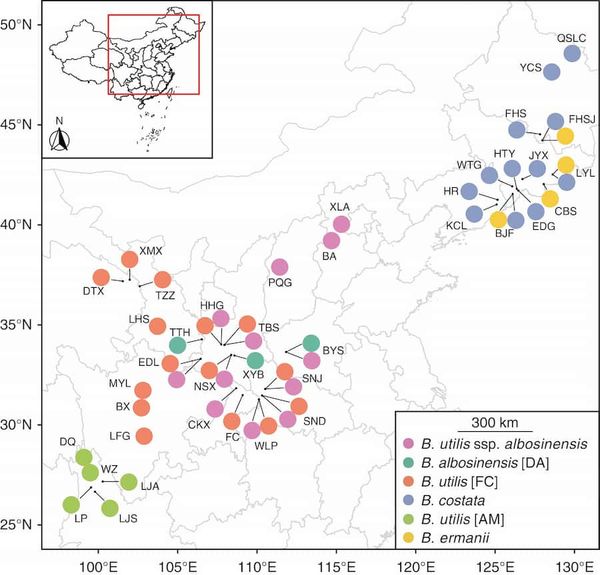
Species delimitation and a new Betula species in section Costatae

Cells, Genes & Molecules

Species delimitation and a new Betula species in section Costatae

Botanists have developed an integrated approach to identify differences between closely related species.
Alex Assiry · 1 Apr 2022

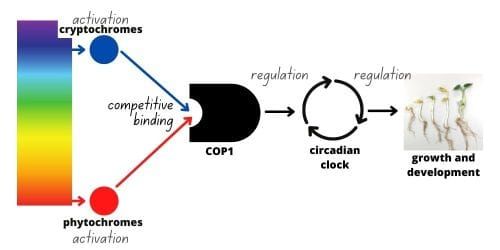
The signaling cascades of red and blue light-activated photoreceptors compete with downstream transcription factors for bindi

Cells, Genes & Molecules

A trick of the light: Optimizing light quality conditions speeds plant growth

Model identifies optimal light conditions to manipulate the circadian clock.
Rachel Shekar · 31 Mar 2022

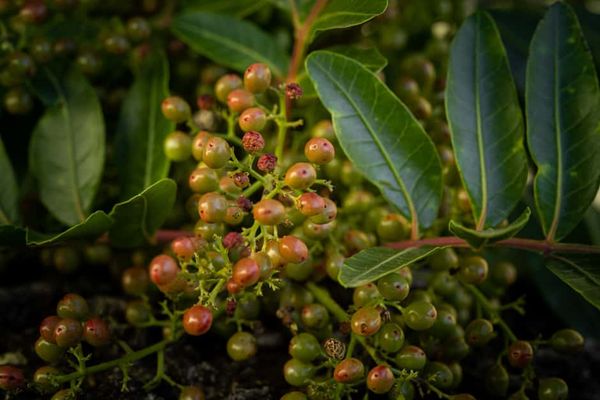
Phylogeography of the invasive Brazilian peppertree in South Africa

Cells, Genes & Molecules

Phylogeography of the invasive Brazilian peppertree in South Africa

Can a better understanding of the origins of the invasive tree species Schinus terebinthifolia in South Africa help to inform its management?
William Salter · 28 Mar 2022

How can botanists improve rice’s ability to use phosphorus?

Cells, Genes & Molecules

How can botanists improve rice’s ability to use phosphorus?

Botanists show for the first time that reduced phosphorus investment in lipids in plants improves phosphorus use efficiency in rice without reducing photosynthesis.
Alex Assiry · 8 Mar 2022

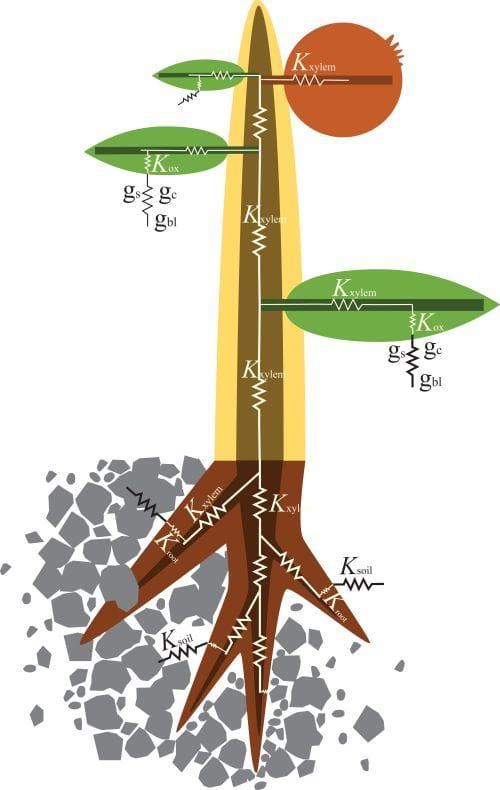
Scheme of water flowing through a plant: (1) from the soil towards the root surface, (2) from the root surface to the xylem,

Cells, Genes & Molecules

It’s all connected: modeling water potential and plant physiological processes

“As water potential is regarded the best indicator of plant water status, because it is the integrated result of above- and below-ground environmental conditions, it holds promise as a pivotal model variable to which other plant processes respond.”
Rachel Shekar · 28 Feb 2022

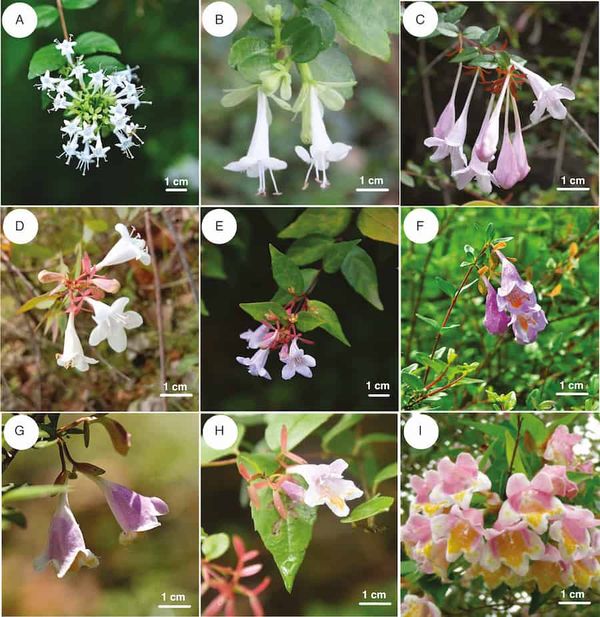
Phylogenomic analyses of the East Asian endemic Abelia

Cells, Genes & Molecules

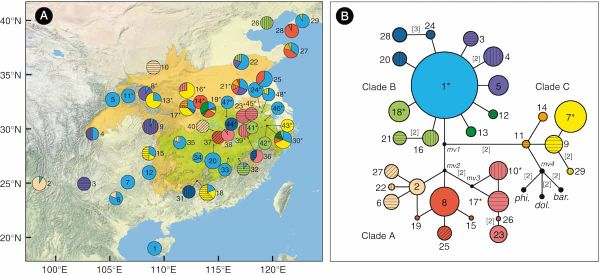
Phylogenomic analyses of the East Asian endemic Abelia

Sun et al. used genomic data to reconstruct the phylogeny of Abelia and found a clear pattern of reticulate evolution in the group.
Alex Assiry · 22 Feb 2022

Botanists find the effects of ancient climates in the modern genomes of two closely related oak species

Cells, Genes & Molecules

Botanists find the effects of ancient climates in the modern genomes of two closely related oak species

Botanists examined the genomes of two species, Quercus acutissima and Q. chenii, to see if changes in the climate three million years ago affected how they hybridised.

Alun Salt · 21 Feb 2022

← Newer Page 13 of 29 Older →

The week's plant science, in your inbox on Monday.

One email a week, from the nonprofit Annals of Botany Company. Unsubscribe any time.

Read in
  • ZH
  • DE
  • EN
  • ES
  • FR
  • JA
  • PT
  • Sign up
© The Annals of Botany Company