AoB PLANTS
A complicated way of having sex – and not without risks
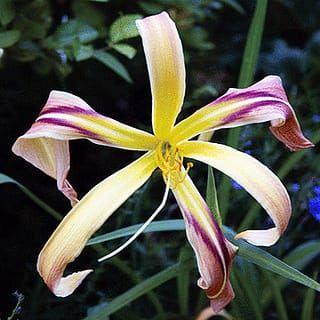
Boy meets girl. Boy fertilizes girl. Patter of tiny feet. That’s the story of animal passion. But for flowering plants, it’s different. Pollen meets

AoB PLANTS
Boy meets girl. Boy fertilizes girl. Patter of tiny feet. That’s the story of animal passion. But for flowering plants, it’s different. Pollen meets
AoB PLANTS
Genetic model organisms have revolutionized science, and with rapid advances in technology there is significant potential to launch more plant species towards model status. However, these new model organisms have to be carefully selected.
AoB PLANTS
A paper in AoB PLANTS describes new methods for real-time monitoring of trace gases such as ethylene, nitric oxide and ethanol which play an important role in many areas of biology.
AoB PLANTS
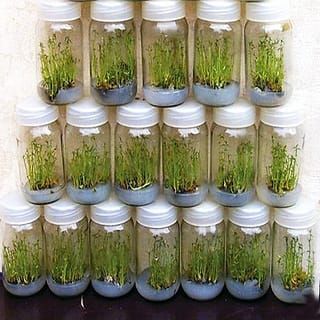
Celastrus paniculatus, “the intellect tree”, is a climbing shrub with medicinal properties found throughout India. And it’s under threat.
AoB PLANTS
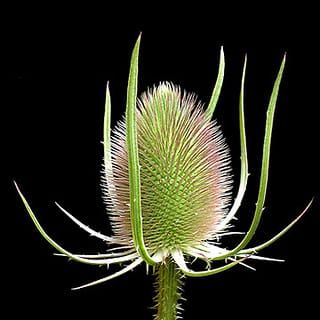
Teasels are an important species for wildlife, but they don’t like salt. Will they survive?
AoB PLANTS
Although micropropagation is a common method these days, much of the science behind regeneration of whole plants from tiny specks of plant tissue remains uncertain.
AoB PLANTS
How useful is environmentally-friendly green roof technology in hostile climates?

AoB PLANTS
This summer, Hall Cushman succeeded Mike Jackson as Chief Editor of AoB PLANTS. The new editor is a Professor in the Department of Biology at Sonoma
AoB PLANTS
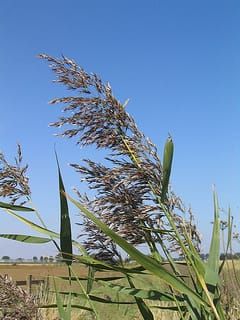
Phragmites australis is a wetland grass with high genetic variability, augmented by its cosmopolitan distribution, clonal growth form and large variation in chromosome numbers. Different ploidy
AoB PLANTS
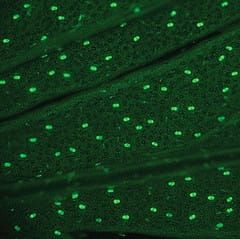
Glandular trichomes (GT) on Artemisia annua produce and store the anti-malarial compound artemisinin (AN) and other secondary metabolites (SM) that have several pharmaceutical and industrial
AoB PLANTS
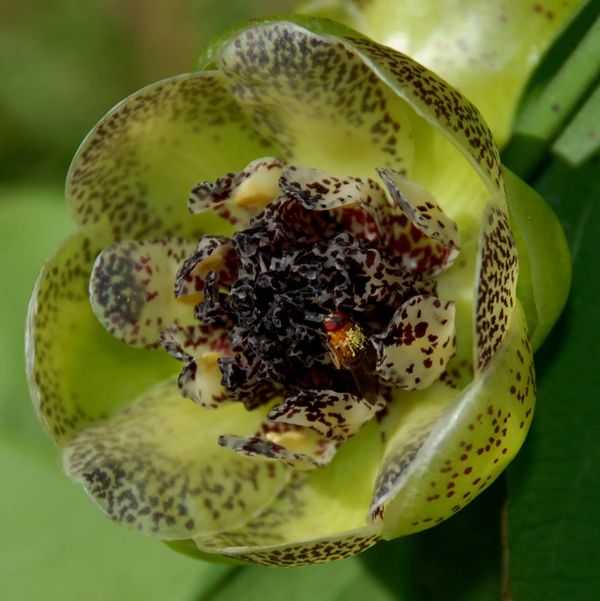
Austrobaileya has long served as a model for ancient angiosperm pollen structure. Its pollen germination is relatively rapid and requires < 10 % of the progamic phase. Extensive evidence discussed in this paper suggests pollen germination underwent acceleration early in angiosperm history.
AoB PLANTS
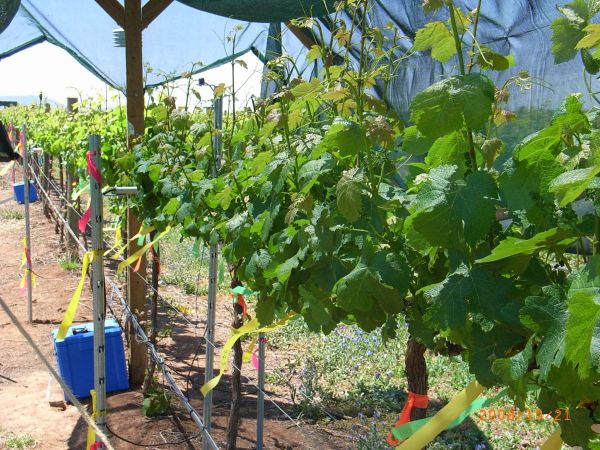
Grapevines growing in Australiasuffer from high temperatures which have major effects on photosynthesis and transpiration. To learn more, gas exchange was measured in this study over several seasons and then modelled across temperatures from 20 to 45oC and validated with independent data.