Botany One
Read in
  • ZH
  • DE
  • EN
  • ES
  • FR
  • JA
  • PT
  • Home
  • Home
  • About Us
  • Archive
  • Hot Botany
  • Species Dashboard
  • Trading Card Generator
  • Manage email subscription

Tag

AoB PLANTS

Primula chungensis

AoB PLANTS

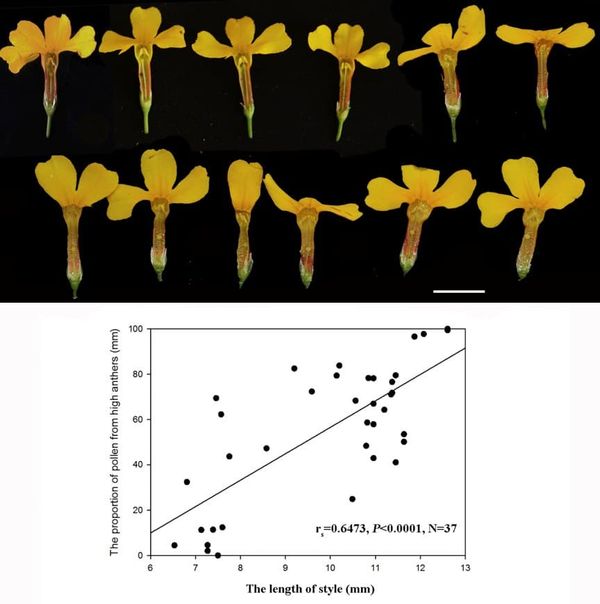
Variation in the degree of reciprocal herkogamy affects the degree of legitimate pollination in a distylous species, Primula chungensis

Distyly is a well-known floral syndrome, first identified by Charles Darwin, characterised by the flowers within a population showing reciprocal placement of the anthers and
William Salter · 19 Jun 2018

A picture of Aconitum austrokoreense

AoB PLANTS

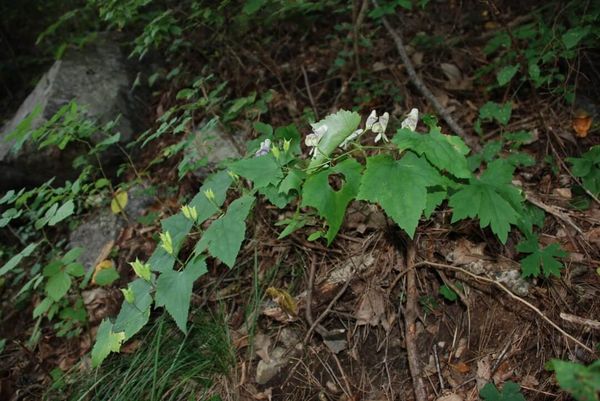
Genetic diversity and structure of an endangered medicinal herb: implications for conservation

Human-driven habitat fragmentation leads to spatial isolation of endangered plant species, increasing extinction risk. Understanding genetic variability and population structure of rare and isolated plant

William Salter · 14 Jun 2018

Insect pollinators of Anogeissus sericea var. nummularia.

AoB PLANTS

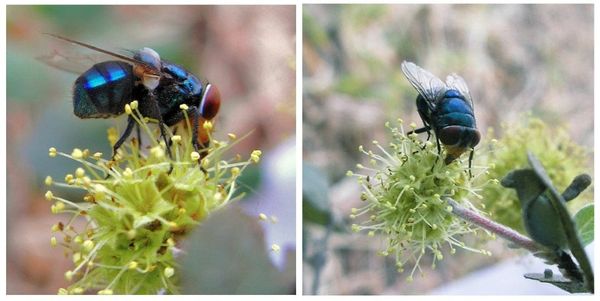
Relative contribution of reproductive attributes to density-dependent effects on fruit-set

How much fruit can a plant set? Pollinator dependence and pollinator behaviour play a role, as does plant density.

William Salter · 12 Jun 2018

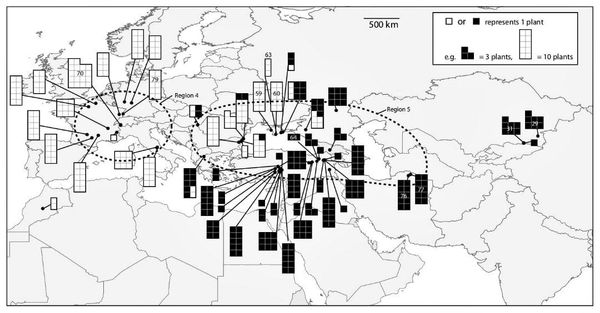
Collection locations of Isatis tinctoria in Eurasia.

AoB PLANTS

Geographic population structure in an outcrossing plant invasion after centuries of cultivation and recent founding events

Population structure and genetic diversity of plant invasions are the result of evolutionary processes such as natural selection, drift and founding events. Some invasions are also

William Salter · 7 Jun 2018

Seed dormancy and germination vary within and between species of milkweeds

AoB PLANTS

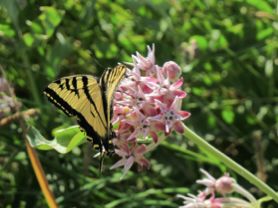
Seed dormancy and germination vary within and between species of milkweeds

Declines in pollinator populations and monarch butterflies require restoration of habitats with the plants and floral resources that support them. Monarch butterflies in particular lay their

AoBPLANTS · 31 May 2018

3D-modelling of buttress region and roots gives allometric carbon formulae

AoB PLANTS

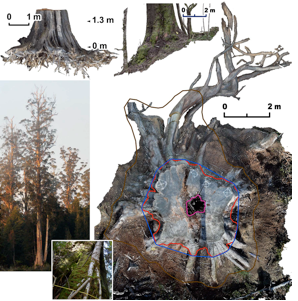
3D-modelling of buttress region and roots gives allometric carbon formulae

The largest uncertainty in humans’ contribution to climate change from land use is the fate of carbon that was belowground in pre-modified forests. In a

AoBPLANTS · 24 May 2018

Maize nutrient uptake and photosynthesis in intercropping

AoB PLANTS

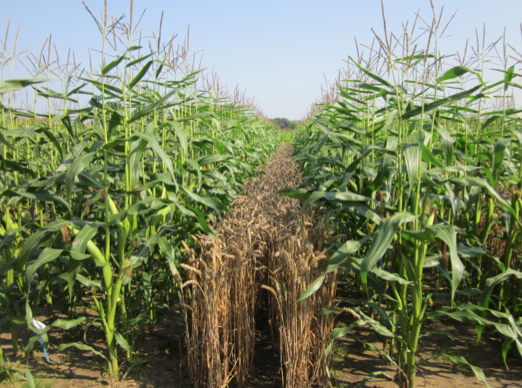
Maize nutrient uptake and photosynthesis in intercropping

Maize and wheat are globally important food crops. The two species can be grown as an intercrop, with substantial land sparing in the order of 20%

AoBPLANTS · 17 May 2018

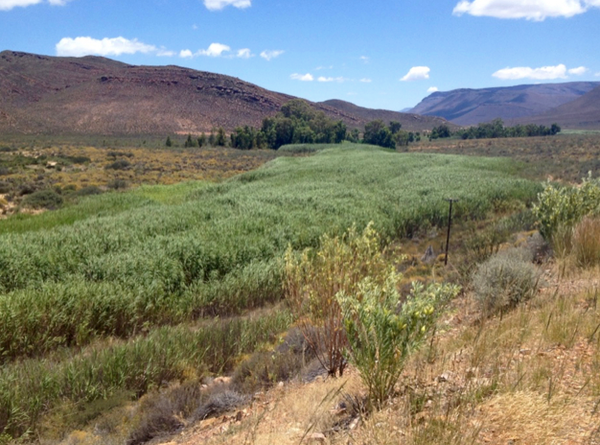
Expansive reed populations – alien invasion or disturbed wetlands?

AoB PLANTS

Expansive reed populations – alien invasion or disturbed wetlands?

In southern Africa a pattern of Phragmites spp. reed expansion has occurred in recent decades that has shown a similar trend to cryptic invasions reported in

AoBPLANTS · 10 May 2018

Tree seedling growth capacity under climate change

AoB PLANTS

Tree seedling growth capacity under climate change

Predicting the effects of climate change on tree species and communities is critical for understanding the future state of our forested ecosystems. In a recent study

AoBPLANTS · 19 Apr 2018

Diurnal and nocturnal pollination in a nursery-pollinated species

AoB PLANTS

Diurnal and nocturnal pollination in a nursery-pollinated species

Nursery pollination is an unusual plant–insect interaction in which an insect is both pollinator and seed-predator. Depending on the abundance of the nursery pollinator

AoBPLANTS · 11 Apr 2018

Spore liberation in mosses

AoB PLANTS

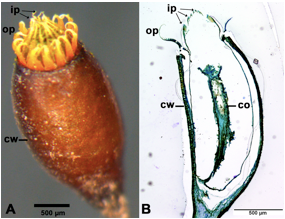
Spore liberation in mosses

The ability to perform hygroscopic movements has evolved in many plant lineages and relates to a multitude of different functions such as seed burial, flower protection

AoBPLANTS · 4 Apr 2018

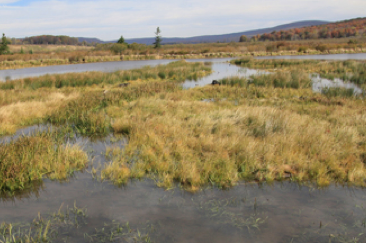
Wetland seed dispersal by white-tailed deer

AoB PLANTS

Wetland seed dispersal by white-tailed deer

Understanding the dispersal of wetland plants is important to the conservation of species in patchy or isolated wetland environments. In a recent study published in AoB

AoBPLANTS · 28 Mar 2018

← Newer Page 10 of 32 Older →

The week's plant science, in your inbox on Monday.

One email a week, from the nonprofit Annals of Botany Company. Unsubscribe any time.

Read in
  • ZH
  • DE
  • EN
  • ES
  • FR
  • JA
  • PT
  • Sign up
© The Annals of Botany Company