annals-of-botany
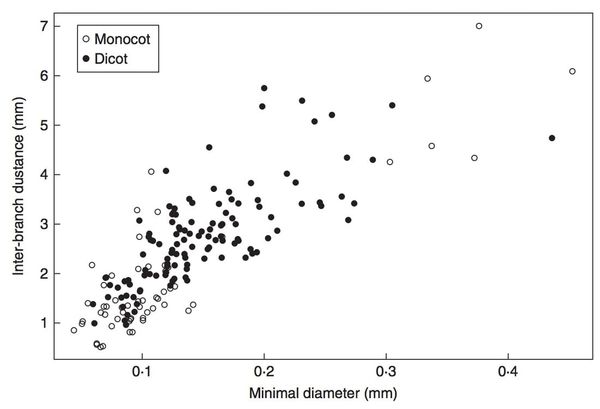
Branching patterns of monocots and dicots
Branching patterns of root systems are characterized and compared by Pagès with a set of six quantitative traits revealing interspecific variations and correlations, suggesting trade-offs.

annals-of-botany
Branching patterns of root systems are characterized and compared by Pagès with a set of six quantitative traits revealing interspecific variations and correlations, suggesting trade-offs.
annals-of-botany
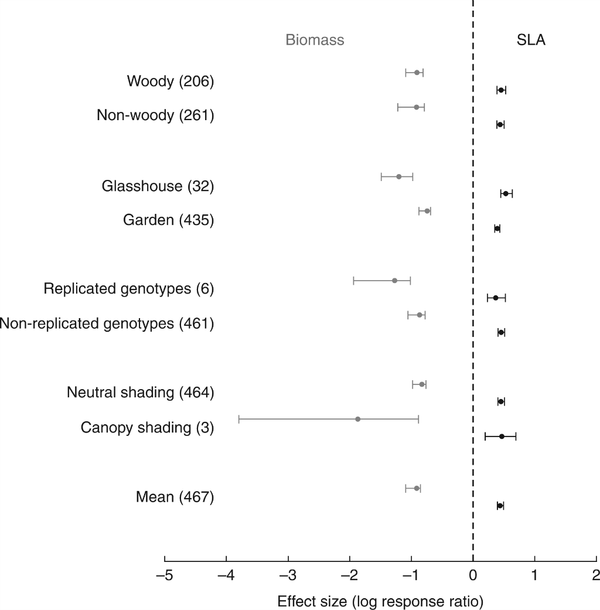
Liu et al. conducted a meta-analysis to test the hypothesis that shade-induced increases in specific-leaf-area (SLA) indicate an adaptive plant response to
annals-of-botany
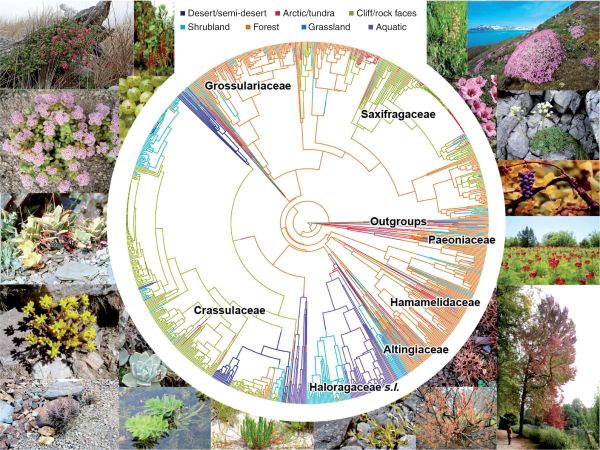
Species-level phylogeny and habitat evolution data are applied to the hyper-diverse angiosperm clade Saxifragales to reveal that habitat shifts are very rare. Saxifragales lineages
annals-of-botany
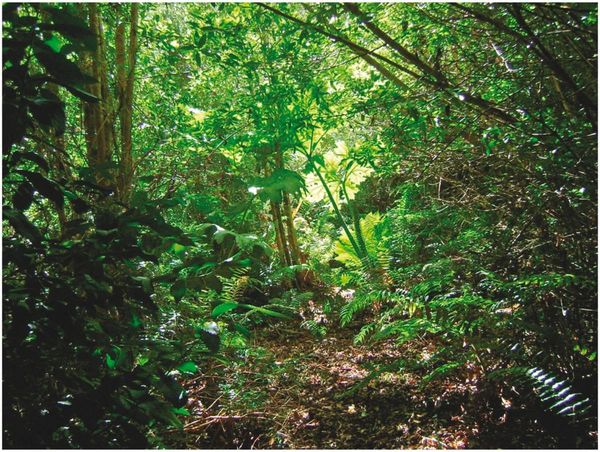
In the temperate rainforest of southern Chile, Fajardo and Siefert find that interspecific differences in the leaf mass per area (LMA) trait can explain the fine-
annals-of-botany
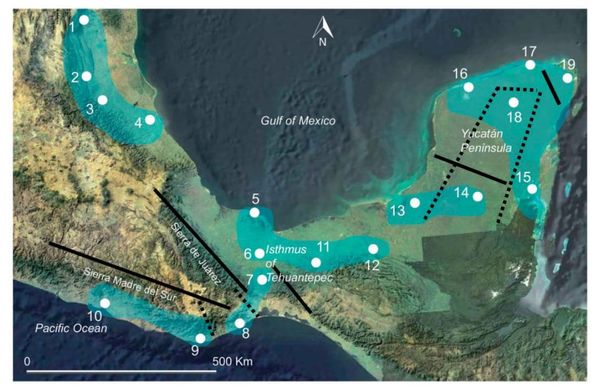
In order to determine whether genetic architecture stems from pre-Pleistocene events or refugia, Chávez-Pesqueira and Núñez-Farfán assess genetic diversity and population dynamics of
annals-of-botany
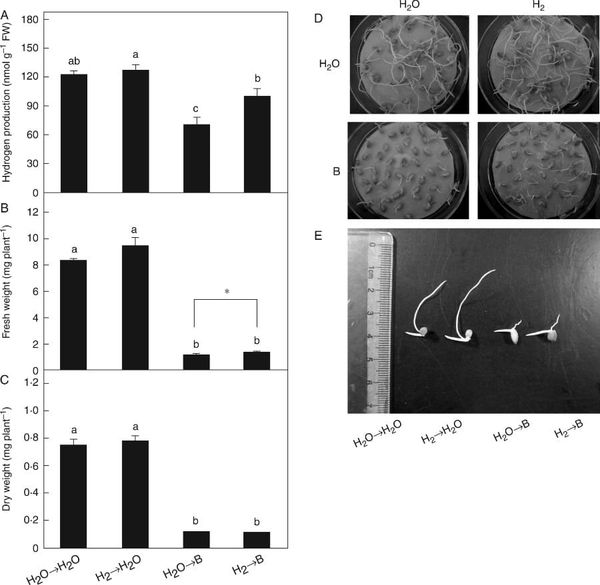
Boron (B) is essential for plant growth, but hazardous when present in excess. Hydrogen gas (H2) possesses antioxidant properties. Wang et al. investigate B-induced biological
annals-of-botany
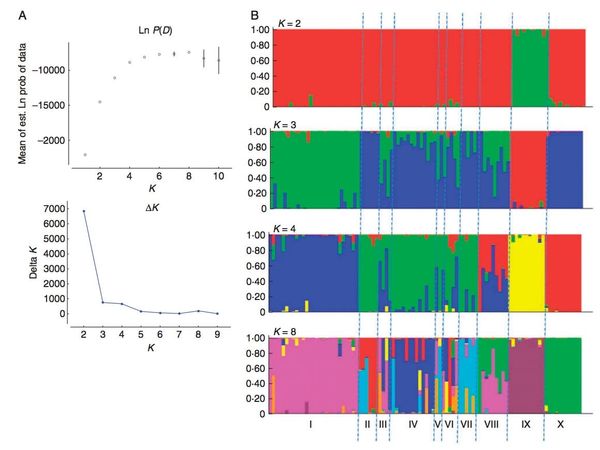
Edible banana varieties underwent a series of bottlenecks during their evolution and domestication, resulting in a number of original genotypes that diversified clonally. Sardos et al.
annals-of-botany
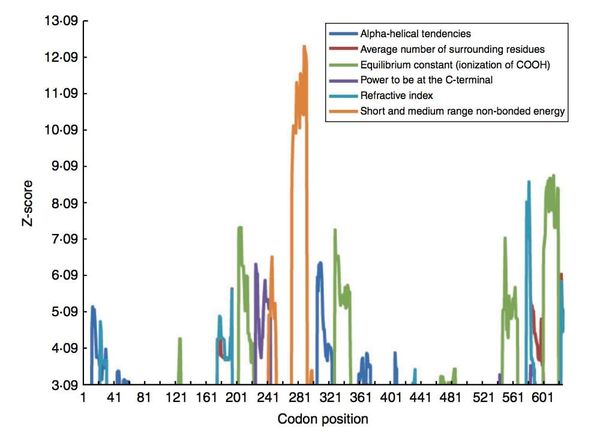
Limestone karsts across southern China to south-eastern Asia support high levels of species diversity and endemism. Tao et al. studied the molecular evolution of the
annals-of-botany
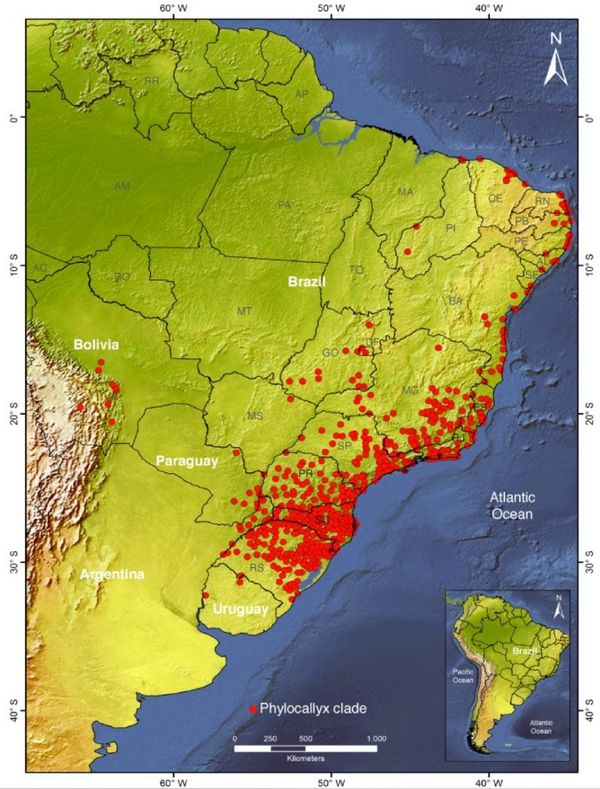
Eugenia is the most species-rich Neotropical genus. This ‘Research in Context’ article explores the extraordinary evolutionary success of Eugenia sect. Phyllocalyx using a phylogenetic framework,
annals-of-botany
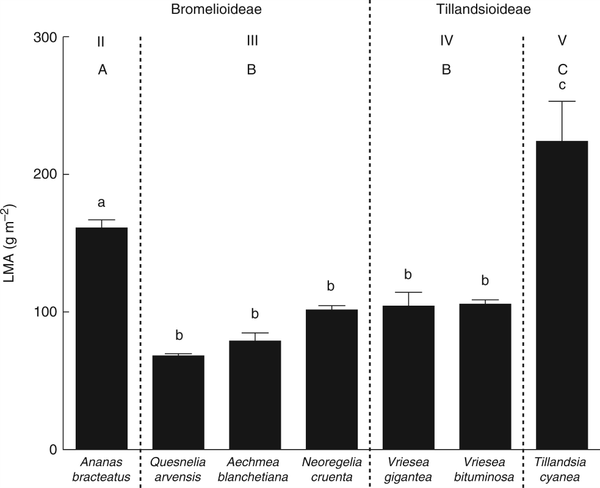
Bromeliads occur in many oligotrophic environments, due to the evolution of leaf trichomes, epiphytism, and CAM metabolism. Among bromeliads, Tillandsioideae possess the most derived features related
annals-of-botany
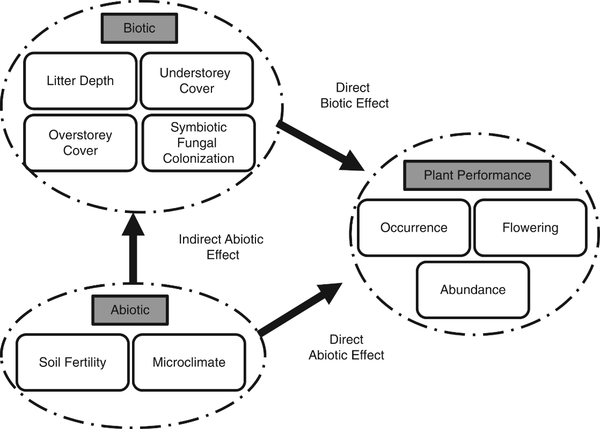
Copeland and Harrison test the relative importance of abiotic and biotic variables on distribution of a common herb species, starflower (Trientalis latifolia, Myrsinaceae), in the Klamath-
annals-of-botany
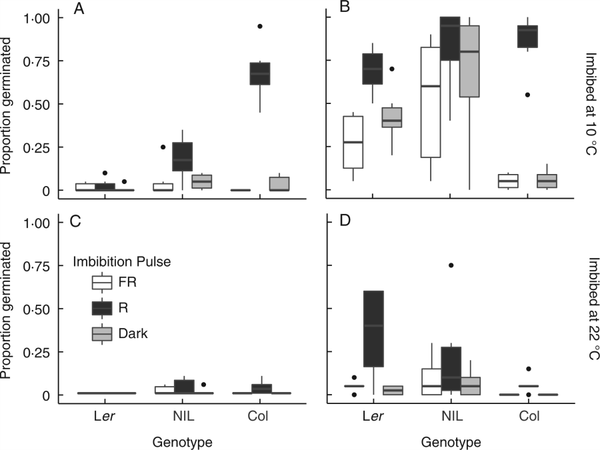
Should seeds respond to their parents’ environments or their own? Leverett et al. hypothesize that germination would respond more strongly to a post-dispersal vegetative canopy