annals-of-botany
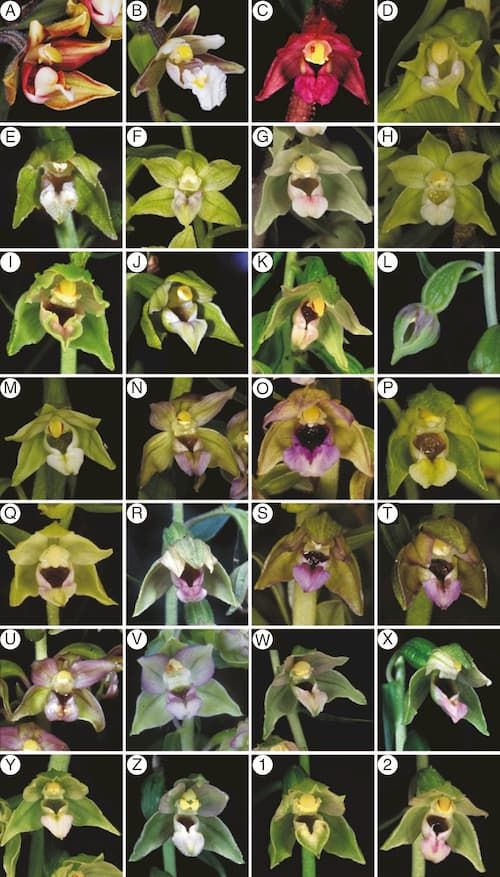
Where do all the Epipactis orchids come from?
Botanists use the orchid genus Epipactis as a model for speciation, but unravelling its family tree has been difficult.

annals-of-botany
Botanists use the orchid genus Epipactis as a model for speciation, but unravelling its family tree has been difficult.
annals-of-botany
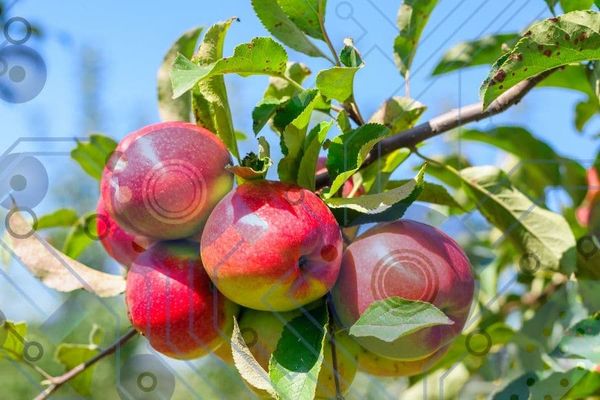
MuSCA reveals that the topological scale has a major influence on the simulation of carbon allocation.
annals-of-botany
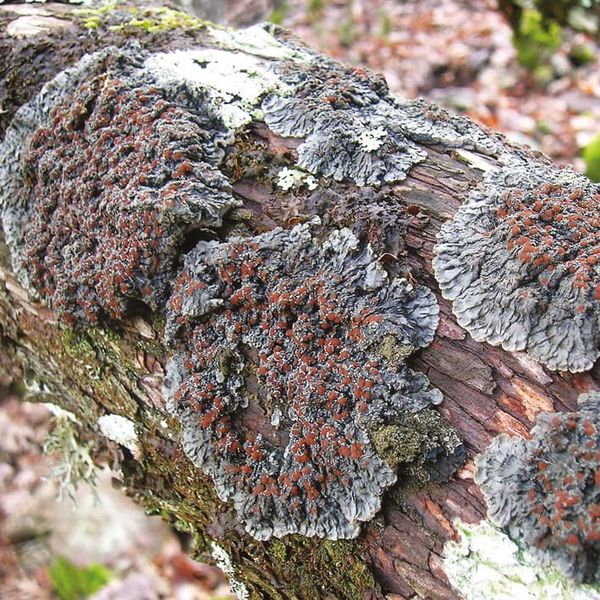
A lichen is not one organism, but a community of at least two. If that’s the case, how does the lichen as a whole reproduce?
annals-of-botany
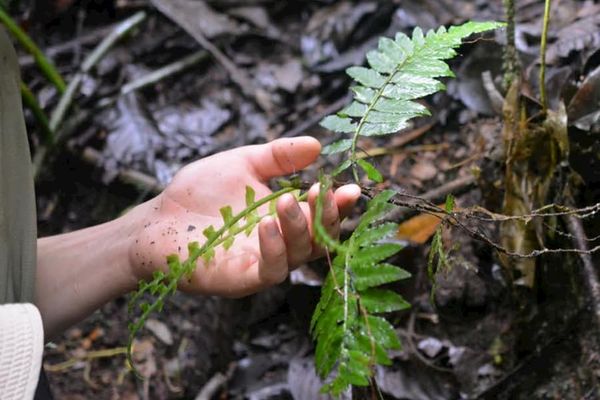
The Aspleniaceae is a family of ferns, some of which are terrestrial and some of which are epiphytes. A new study has found a rarity, a hemiepiphyte.
annals-of-botany
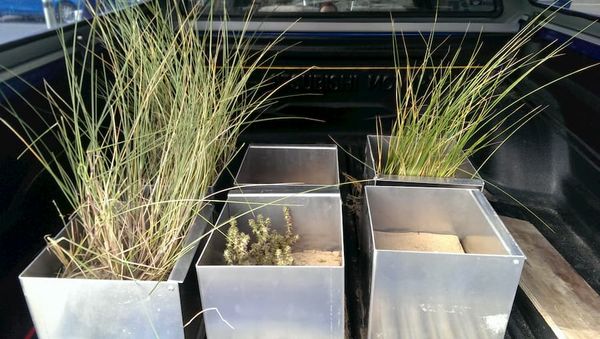
New research shows that it’s the parts of the plants you don’t see that help preserve dunes from erosion.
annals-of-botany
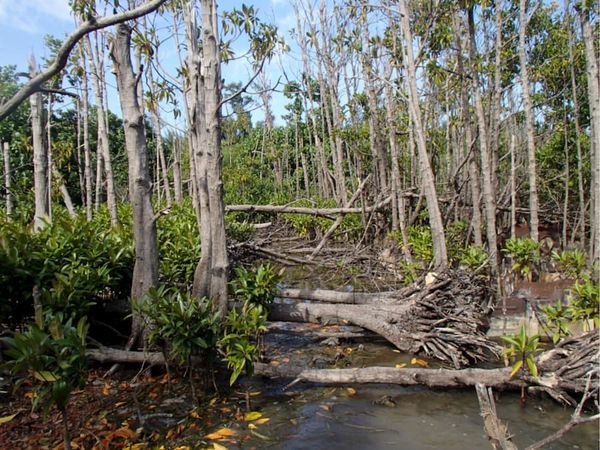
What happens when cyclones hit mangroves? What happens when there are repeated impacts? Ken Krauss and Michael Osland have been looking at the scientific research to find out.

annals-of-botany
Bending rose stems dramatically increases photosynthesis.
annals-of-botany
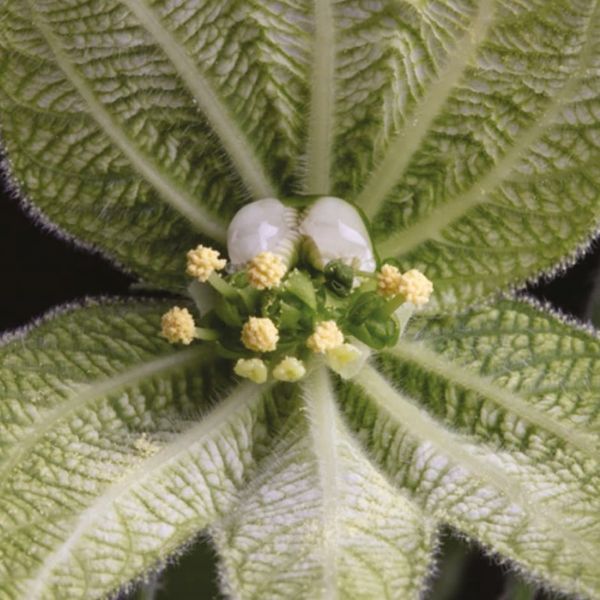
The longer a plant waits to self-pollinate, the longer it has to attract pollen from outside. But waiting too long can have consequences.
annals-of-botany
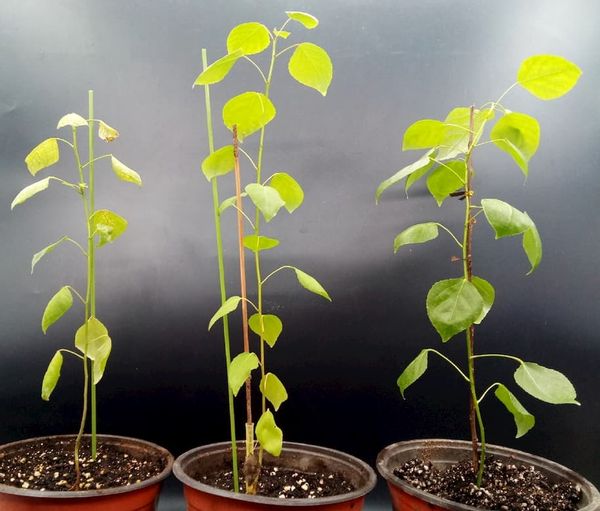
Overexpression of PtHMGR enhanced the stress resistance of poplar.

annals-of-botany
Botanists have tried to understand the conditions that led to the evolution of the first flowers by reconstructing the niches from which the earliest flowering plants diverged.
annals-of-botany
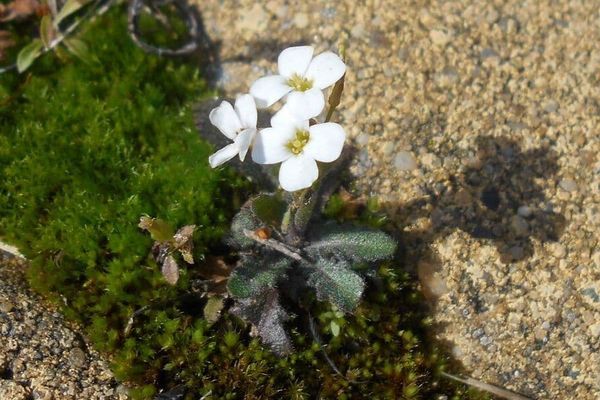
Doubling the chromosomes of Arabidopsis arenosa does not always lead to strong ecological niche differentiation.
annals-of-botany
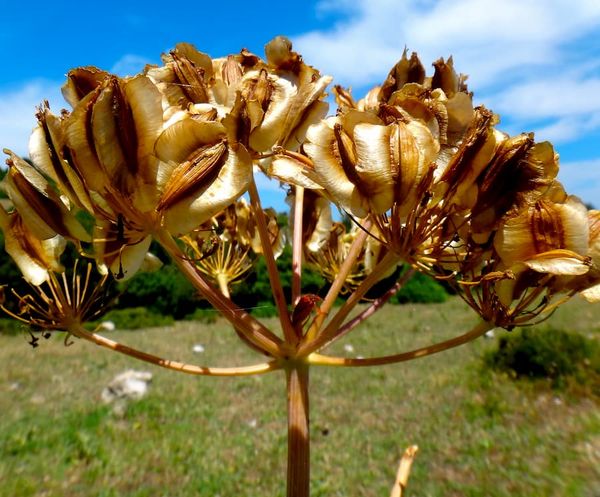
The deadly carrot might sound as likely as the killer tomato, but decoding the defences of Thapsia garganica might have a big pay-off in the future.