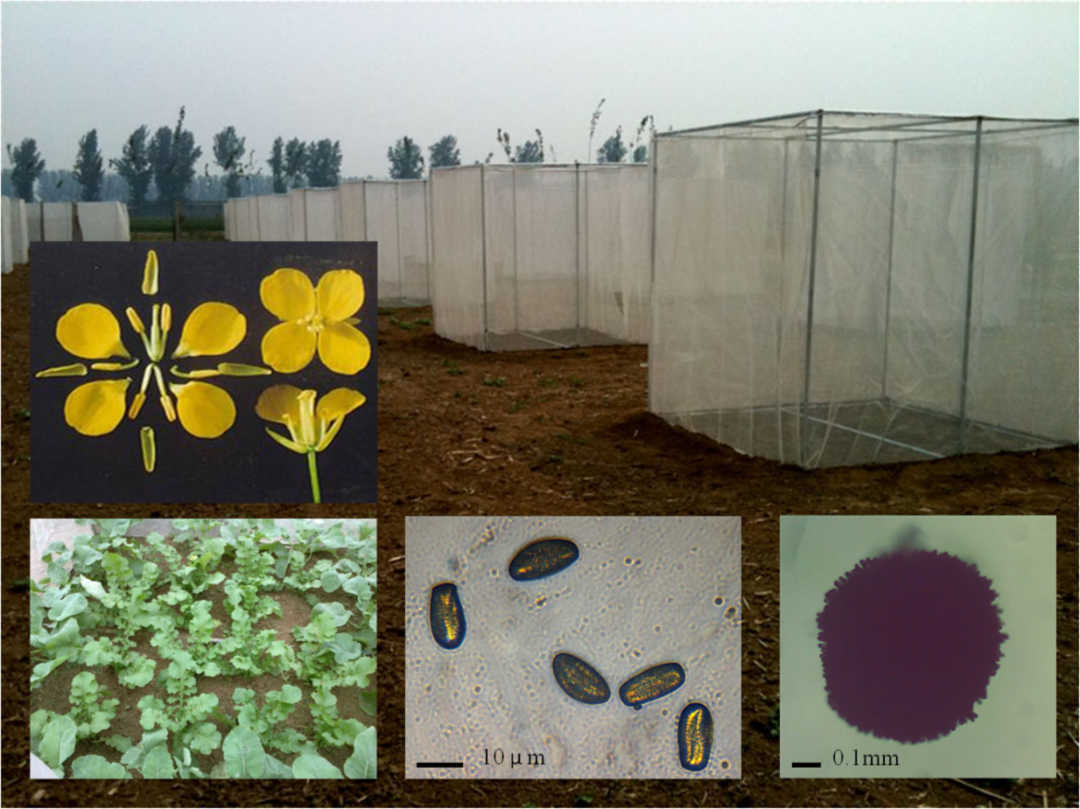



The sympatric presence of transgenic crops with their wild relatives is an ecological concern. Liu et al. conducted a field experiment using insect enclosures with and without herbivores with cultivated Bt-transgenic Brassica napus (Bt oilseed rape, OSR) and B. juncea (wild brown mustard) in pure and mixed stands.
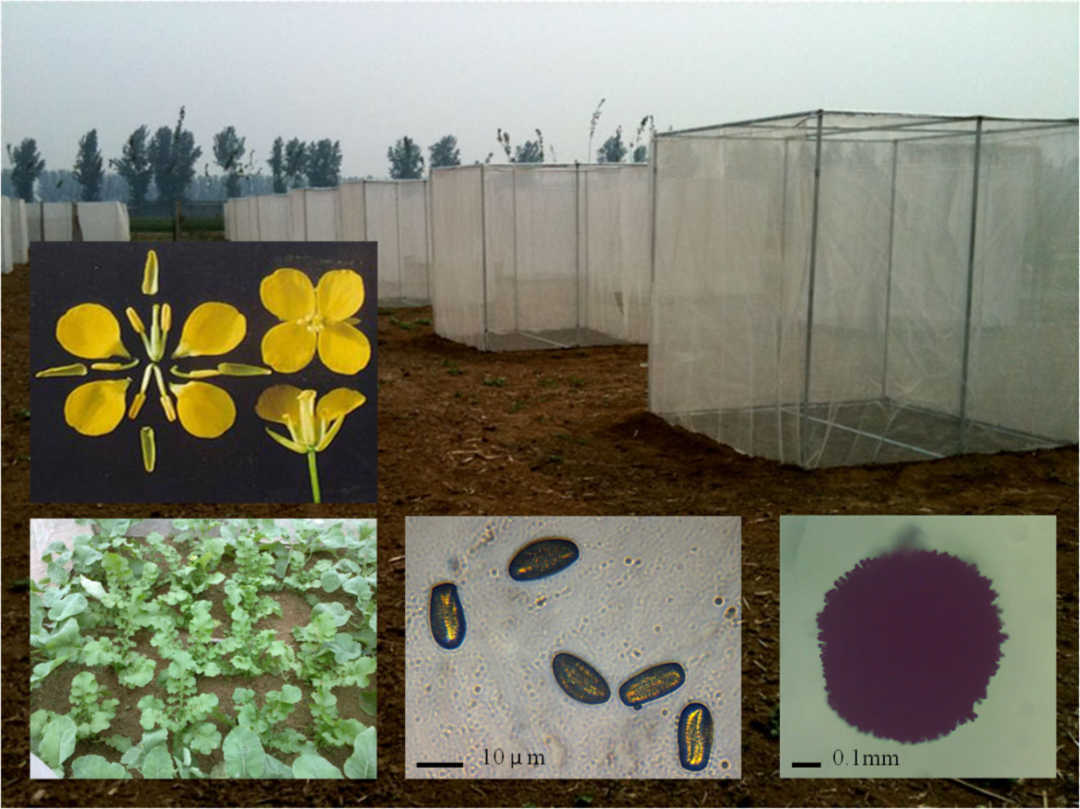
When coexisting with Bt OSR, wild brown mustard produced less pollen and more ovules (a decreased P/O ratio) than in pure stands of brown mustard. This indicates the sympatric presence of transgenic plants in wild populations may further increase the potential transgene flow through altering reproductive allocation of wild species.