

Every so often there’ll be a news story like the massive decline in hedgehogs. The population is down by a third since the millennium. It’s obviously bad news but how much of a national priority should hedgehogs be? The Aspen hoverfly is down to 13 8 locations in Scotland. I can see this is a serious issue in terms of biodiversity, but again how much of a priority is one fly? But what if you could put all these stories together? What if it’s not just one species facing a crisis, but many? And what if they could be tackled by an integrated set of policies that don’t just protect hedgehogs or one fly, but a wide variety of species?
Today the State of Nature report is out, detailing the current challenges facing wildlife across the UK and its territories. You can download it for yourself from the RSPB’s site, and it’s an excellent read. It’s not just birds that are the focus of the report. A number of charities have got together to produce an expansive report including Plantlife.
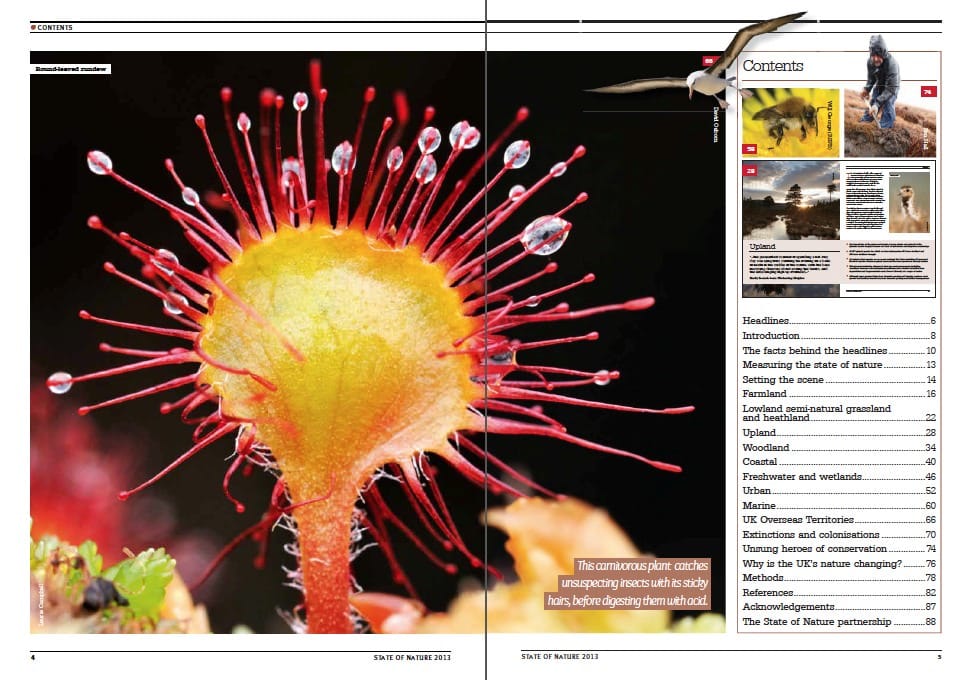
The report tackles various habitats found around the UK, lowlands, forests, marine and so on. There are a few recurrent themes. One is that a report like this is needed badly. There are simply too many gaps in our knowledge to know exactly what is under threat in the countryside. Secondly where we do have comparison data, it looks like a lot of UK wildlife is in trouble. Sixty per cent of species have declined, thirty per cent strongly more than 10% are under threat of extinction. In some cases, like 97% of lowland meadow disappearing from the UK there’s an obvious cause. However, elsewhere in the report it is clear that there are many different factors impacting on nature.
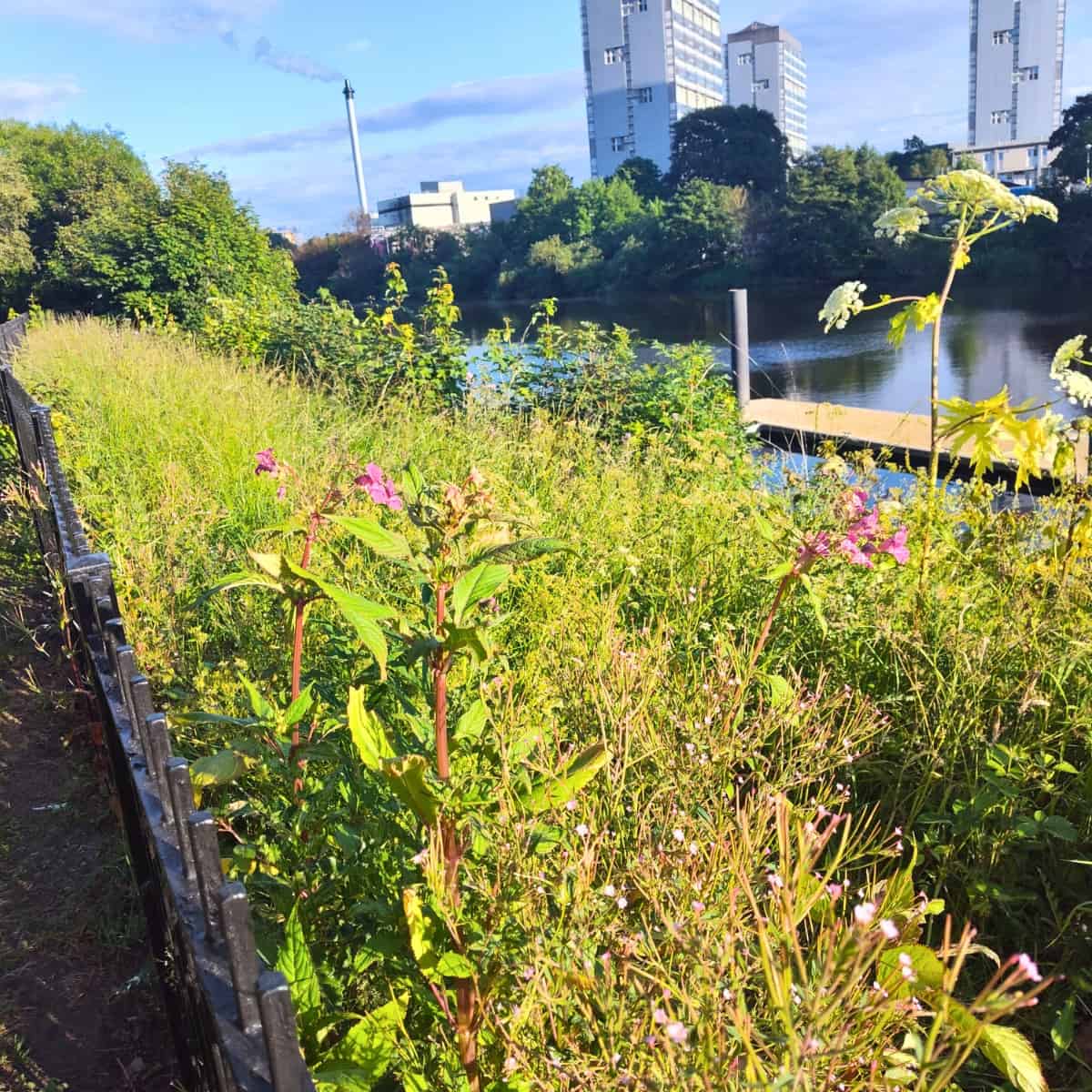
The other common thread is that it doesn’t all have to be doom and gloom. There are species that are doing better. Otters have done well, and peregrine falcons are on the rise. I think the message that damage to wildlife is a choice, not an inevitability, is important. One of the surprises to me was how important Brownfield sites are for biodiversity. This is important news because it’s usually targeted for development over Greenfield sites. Protection for Brownfield sites might turn out to be necessary, but it’s going to be a hard sell.

The whole thing is eminently readable and illustrated with some beautiful photographs. If you want people to care about what they might lose then showing off the endangered species at their best is an obvious idea, but one that’s done very well.
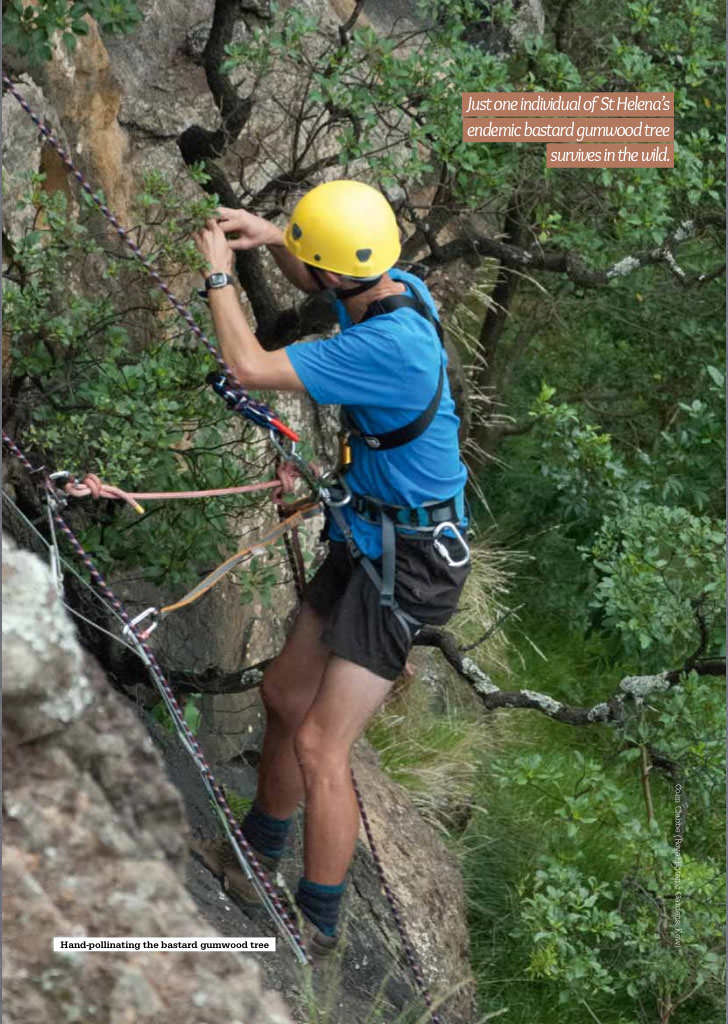
The report also covers UK territories overseas, like Saint Helena photographed right. Again, the report highlights the poor state of knowledge of overseas territories, from the South Atlantic, to the Caribbean, to Pitcairn. The UKOTs Online Herbarium gets a shout-out for digitising research and making a base for a botanical assessment of the territories.
Individual warnings over species loss pose a double danger. To start there’s the problem of making it news, today it’s Scottish wildcats, which is a difficulty for the less fluffy species. The other is the constant low-level warnings mean that people see large numbers of species under threat of extinction as part of everyday life. The State of Nature report helps put this into perspective in a public-friendly format. If this becomes a regular publication then it could be a powerful voice for conservation.