

A new study has revealed that islands are home to around one in three of the world’s plant species, despite covering just over five per cent of the Earth’s land surface. Of these, 63,280 are endemic –found nowhere else in the world – representing 21 per cent of global plant diversity. The research by Schrader and colleagues, published in Nature, provides the first comprehensive assessment of vascular plants native and endemic to marine islands worldwide.
What makes an island?
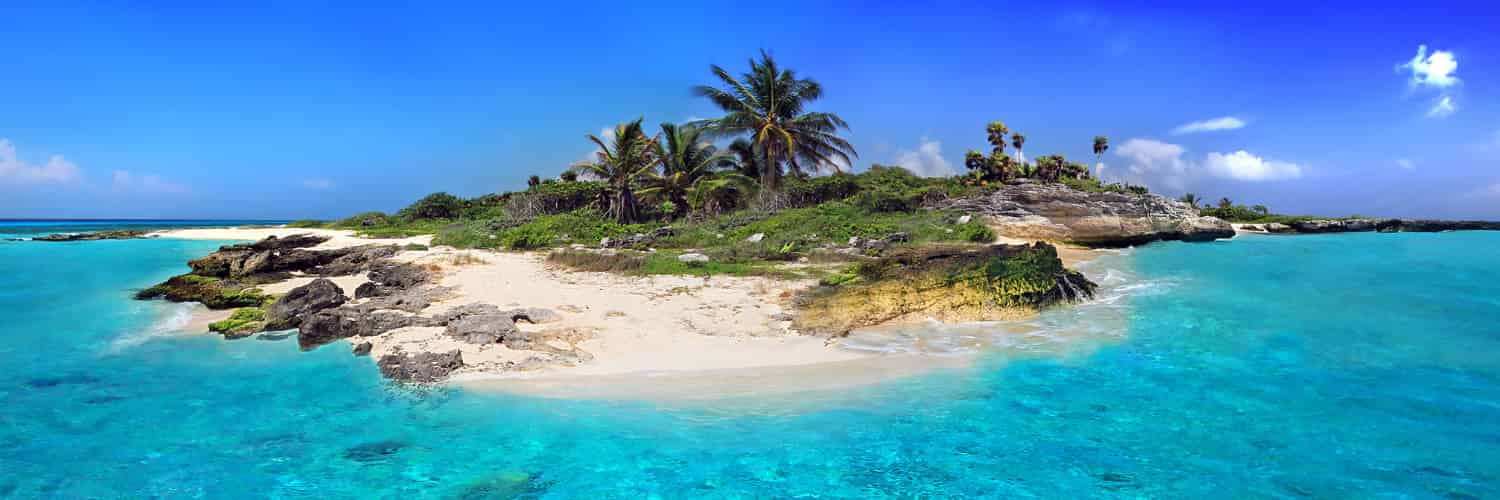
The study defines an “island” as any landmass surrounded by water smaller than Australia. However, not all islands are equal.
They have broadly three categories of island. Oceanic islands are places like Hawai’i or the Canary Islands. These are islands that formed volcanically over millions of years. Continental islands in contrast were connected to continents during the last glacial maximum, around 21,000 years ago. There are also complex islands, like Cuba or New Zealand. They’re old, but didn’t just appear in the ocean. In their paper Schrader and colleagues say: “They were formed by plate tectonics as fragments of continents but are traditionally called islands rather than continents.”
Global Centres of Island Plant Diversity
The study identified several centres of plant endemism – areas with high numbers of species found nowhere else. Nearly all are large, tropical islands with complex topography and a long history of isolation.
Topping the list is Madagascar, home to a staggering 9,318 endemic plant species. This African island nation is followed closely by New Guinea (8,793 endemic species), Borneo (5,765), Cuba (2,679) and New Caledonia (2,493).
“Large geographical distances, and climates and environments that differ from other archipelagos or mainland regions, lead to a high rate of evolution of new species, or ‘speciation’,” says Dr Schrader in a press release.
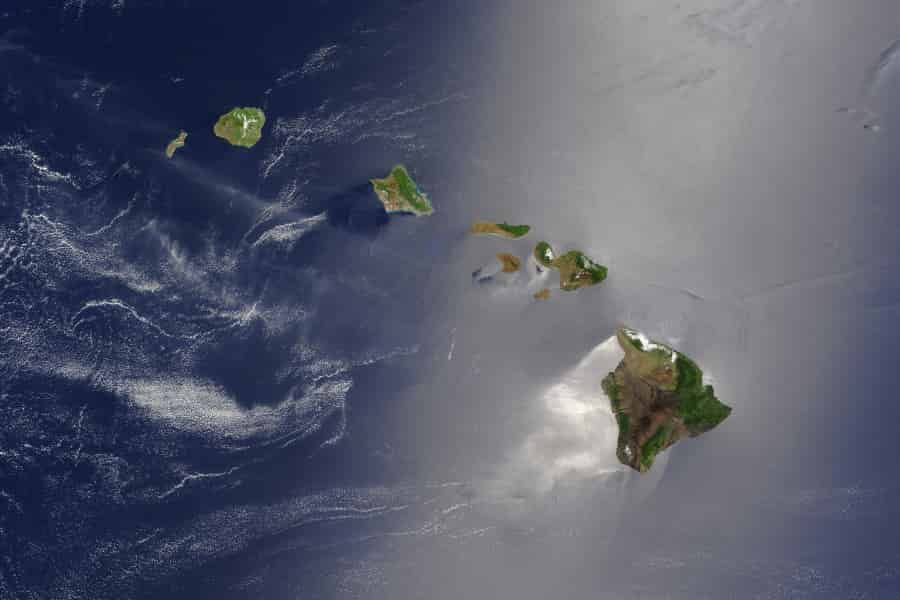
Isolation is a particular feature of oceanic islands. For example 83% of the native species in Hawai‘i are endemic to Hawai’i, meaning they are found nowhere else. Half of the native plants on the Mascarene Islands are endemic, and 42% of the plants on the Canary Islands.
One reason why the results are so striking is that limited colonisation of oceanic islands means they have comparatively few species. Even so, despite oceanic islands making 6% of the data set, they provide a home to 21% of the endemic species.
The Unique Adaptations of Island Plants
Freed of the competition from all-comers on continents, plants on islands have the opportunity to adapt to their particular circumstances. For example, it’s common for herbaceous species to become more woody on islands.
Another common trait is for plants to lose defence mechanisms to threats that didn’t travel with them. This, combined with their relatively small populations, puts them at great risk when those threats find their way to the island many thousands of years later.
The lack of colonisation by other plants means that when a new and adaptable plant arrives, there’s a lot less resistance to it occupying new niches than there would be on continents. An example the authors give is the 126 species of lobeliads that are endemic to Hawai’i, which came from a single common ancestor.
The species that become endemic are not random. Some families are more likely to have genera that become generic. Schrader and colleagues found that 17 families and 1,702 genera are entirely endemic to islands. The family Orchidaceae (orchids) contributes the largest number of endemic species with a massive 8,446 species endemic to islands. For comparison, the entire Class Mammalia has fewer than 7,000 species. The spread of orchids may well be due to their tiny dust-like seeds that are easy to lift on a breeze and transport over long distances.
Protecting Island Plant Diversity is a Conservation Challenge
While islands have a disproportionate number of endemic species, they don’t have a lot of protection. The authors note that only 6% of islands with endemic species meet UN conservation targets. This, and the threats of climate change and invasive species, leaves many plants facing an uncertain future.
Worryingly, Schrader and colleagues write: “Globally, we find that 31% of all IUCN-assessed species are native to islands, but 57% of all island endemics fall into one of the four IUCN Red List conservation categories, with 14% being critically endangered, 23% endangered, 14% vulnerable and 6% near threatened. Further, 0.6% (176) of all island endemics are classified as extinct, which represents 55% of all extinct plant species worldwide.”
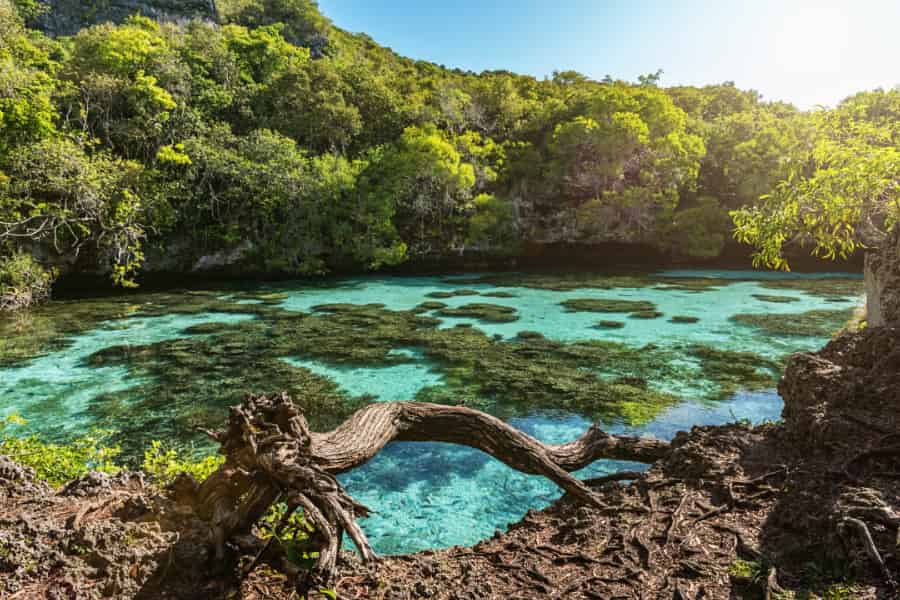
The islands with the highest levels of endemism are not the most well-protected. Only 5% of New Caledonia’s land area is protected, and just 14% of Madagascar. It’s not simply a matter of bigger numbers are better. There’s a big difference between protecting the half of an island nearest the beach, and a half that’s been chosen to protect a patchwork of different habitats.
The authors emphasise the importance of protecting the right areas: “Many island endemics have very restricted ranges and survive in specific locations and habitats—for example, located on mountain tops or along ridges that providing distinct microclimates or protection from human influences and invasive herbivores.”
Schrader and colleagues argue that for many species, the populations are so small that ex situ conservation and seed banks are a necessary part of conservation for many species. This is a problematic assertion, as it raises the possibility of a colonial attitude to conservation. This is something the authors are clearly aware of as they also call for indigenous peoples and local communities to be integrated into conservation programmes or, better still, lead them. This, they argue, improves long-term protection for plants and also improves human wellbeing.
The Human Importance of Island Plants
Plants have value as plants, but they also often have other values too. Schrader and colleagues highlight the cultural importance of plants. If cultures require certain plants for specific tasks or events, what happens to the culture when the plants disappear?
“In French Polynesia, I was trying to find one of the rarest plants in the world, the flowering shrub called tiare apetahi (Sclerotheca raiateensis), with only a few individuals left in the wild,” said Dr Schrader.
The plant has large, fragrant flowers and holds an important place in local culture and stories, but has been over-harvested and devoured by rats. “Nobody has yet figured out how to grow this species in botanical gardens – so it might go extinct in the near future.”
The plant is currently a draw for ecotourists in Polynesia, in a way that a plastic replica would not be. For the local economy, it is urgent that the plant remains in situ, rather extinct and then forgotten.
Setting a New Baseline
“This is the first time we have had such a complete understanding of which species are where, globally,” said Dr Schrader in the press release. “We can now explore the conservation status of some of our rarest plants and come up with distinct strategies to conserve them, such as identifying botanical gardens that could host rescue populations.”
The data offers the opportunity of helping find new species, and record those that we’re in danger of losing. Through the Global Inventory of Floras and Traits (GIFT) database, researchers now have a mechanism for continuously updating and validating information on island plant occurrences and their status worldwide. This approach allows for the incorporation of new discoveries and taxonomic revisions.
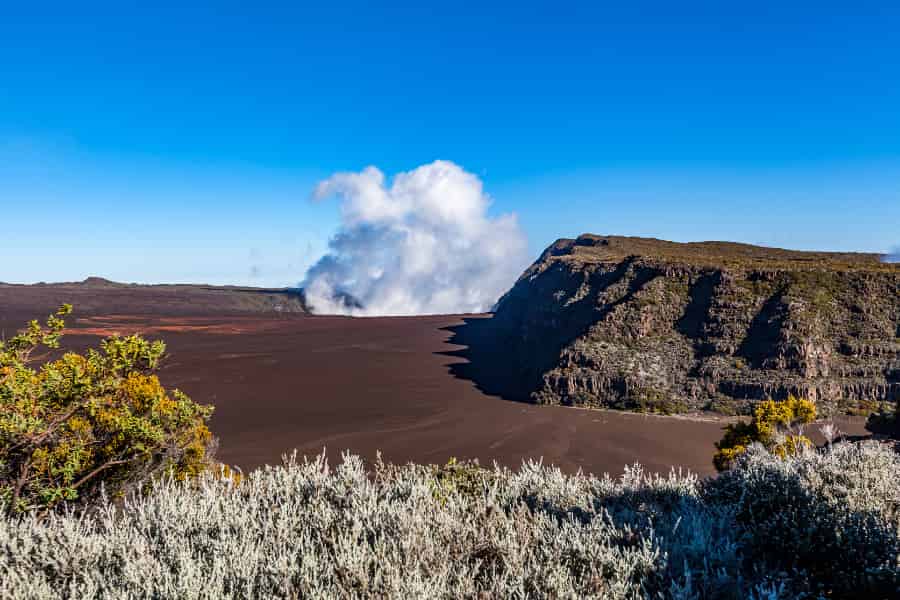
Schrader and colleagues also argue that integration with geo-environmental data and functional trait data will shed light on the origins and drivers of island endemism, offering deeper insights into the ecological and evolutionary processes shaping island flora. This approach will enable researchers to explore how factors like climate, soil composition, and plant characteristics interact to influence the distribution and diversity of island plants.
The Global Importance of Island Plant Diversity
This study not only illuminates the outsized role of islands in global plant diversity but also challenges our understanding of evolution and conservation, built on a balance between isolation and connectivity in shaping unique ecosystems. In their isolation, islands can act as real-world laboratories for the challenges that are coming to the mainland as climate changes, and more species hitch a ride with human activities. Ultimately, the fate of these island plants may foreshadow the future of plant diversity worldwide.
READ THE ARTICLE
Schrader, J., Weigelt, P., Cai, L. et al. Islands are key for protecting the world’s plant endemism. Nature (2024). https://doi.org/10.1038/s41586-024-08036-1
Read free through ReadCube at https://rdcu.be/dXfcP