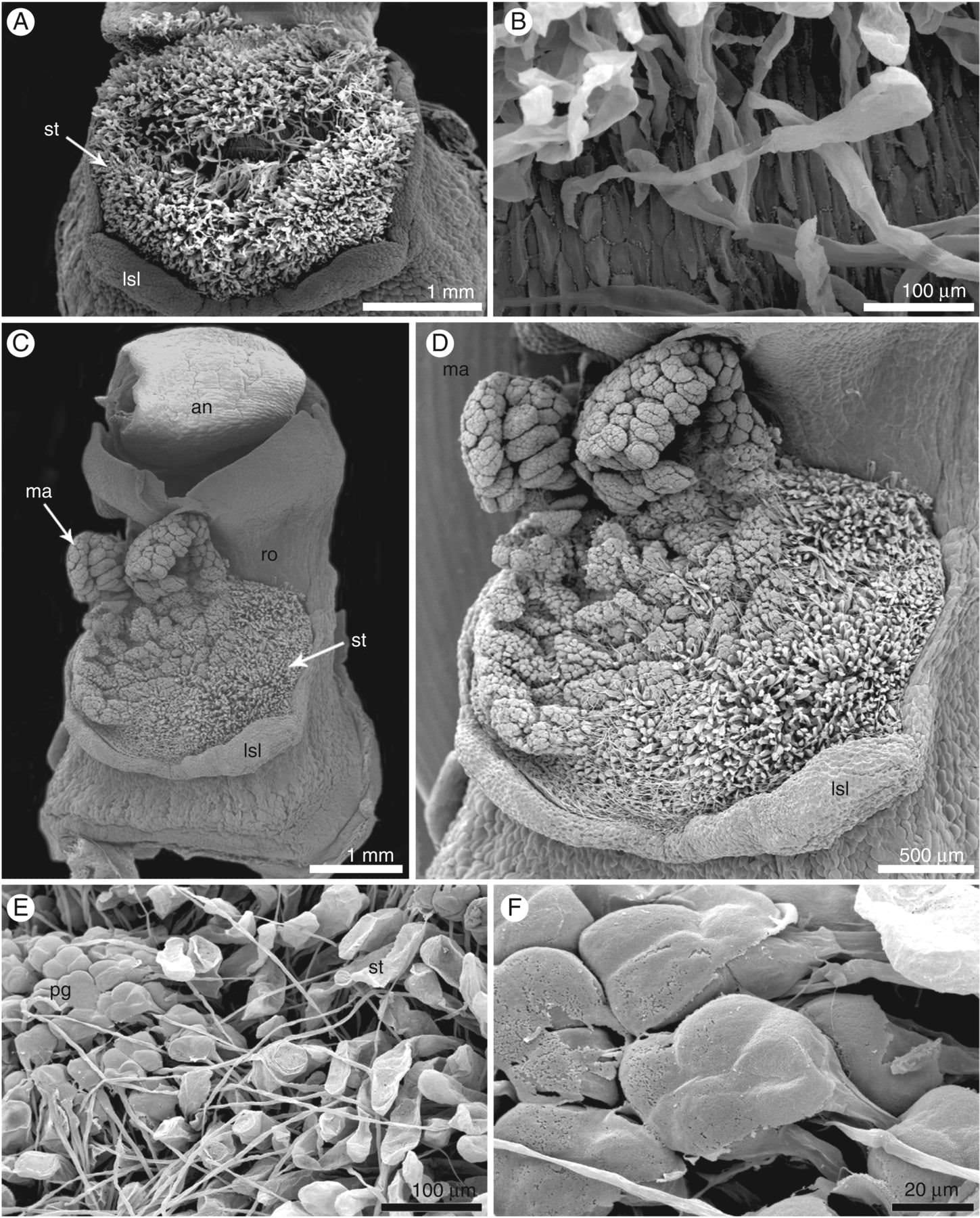


Sexual reproduction is common within Orchidaceae, though apomixis does occur in some genera allowing them to produce seeds that are clones of the mother. The reproductive embryology of mycoheterotrophic plants remains under-studied. Krawczyk et al. provide evidence for the co-occurrence of sexual and apomictic reproduction in a population of mycoheterotrophic plants: Epipogium aphyllum.

The authors investigated reproduction capability via open pollination, induced autogamy, autogamy sensu stricto, and autonomous apomixis. They report that although sexual reproduction dominates, incidental parthenogenesis is much more likely than natural self-fertilization, which is rare or unlikely. These findings suggest that E. aphyllum has the potential to produce seeds via both sexual and asexual means.