

Plants are incredibly diverse, and so are botanists! In its mission to spread fascinating stories about the plant world, Botany One also introduces you to the scientists behind these great stories.
Today, we have Dr Santiago Ramírez-Barahona, a Mexican biologist from Universidad Nacional Autónoma de México. He is particularly interested in the ecological, geographical, and historical factors that shape species diversity across spatial and temporal scales. To this end, Ramírez-Barahona studies various aspects of plant evolution and ecology, particularly in cloud forests, from population-level genetic structure to biogeographic patterns across entire lineages. Moreover, he is also interested in understanding the spatial and temporal limits of our knowledge and the effects of extinction on this knowledge.
What made you become interested in plants?
To be honest, I am not sure. I usually say it was my Botany course as an undergraduate, and the amazing teacher that taught it that changed the course of my career path. At that time I was taking virology and cancer lectures, and reading my way through immunology text books. But then came the field trip in the Botany course that got me acquainted with hornworts, whisk ferns, and tree ferns, and everything just clicked. But I have to say that I’ve always had something special going on with plants, I remember always enjoying gardening and being good at it since I was a kid. So maybe, that is the reason!
What motivated you to pursue your current area of research?
Again, I’m not sure what made me start my journey in plants, but I can definitely tell you what motivates me to keep going. The idea that the things you can discover and learn, even tiny or seemingly irrelevant, are things that no one else before you has seen or known. I guess I like to answer things, to understand how things work.
What is your favourite part of your work related to plants?
I think I have least favourite parts, but these have changed with time. I think this is how life works, basically. For instance, I used to love field work when doing my PhD, but now I enjoy teaching and mentoring. But if I have to say something, that would be coding.
Are any specific plants or species that have intrigued or inspired your research? If so, what are they and why?
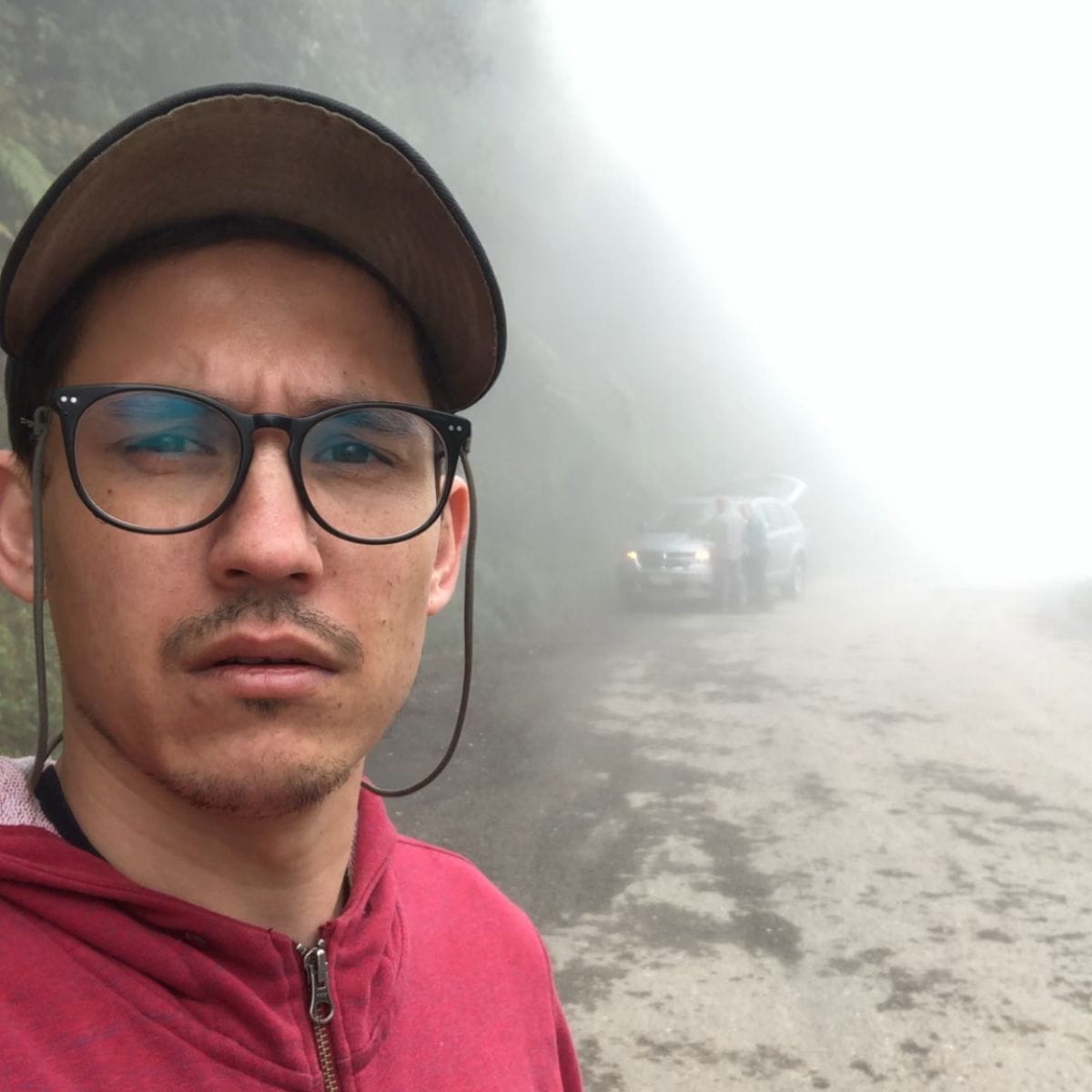
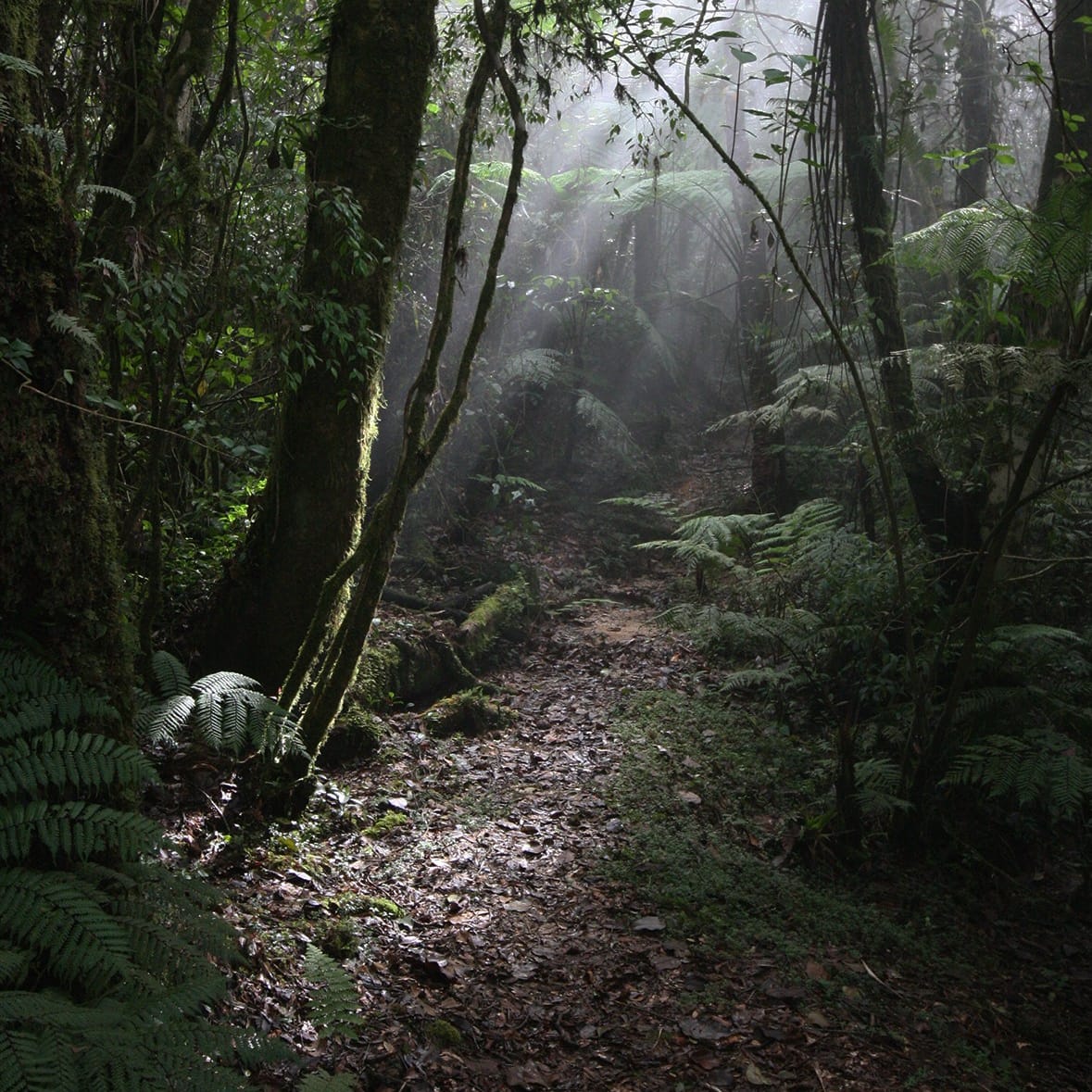
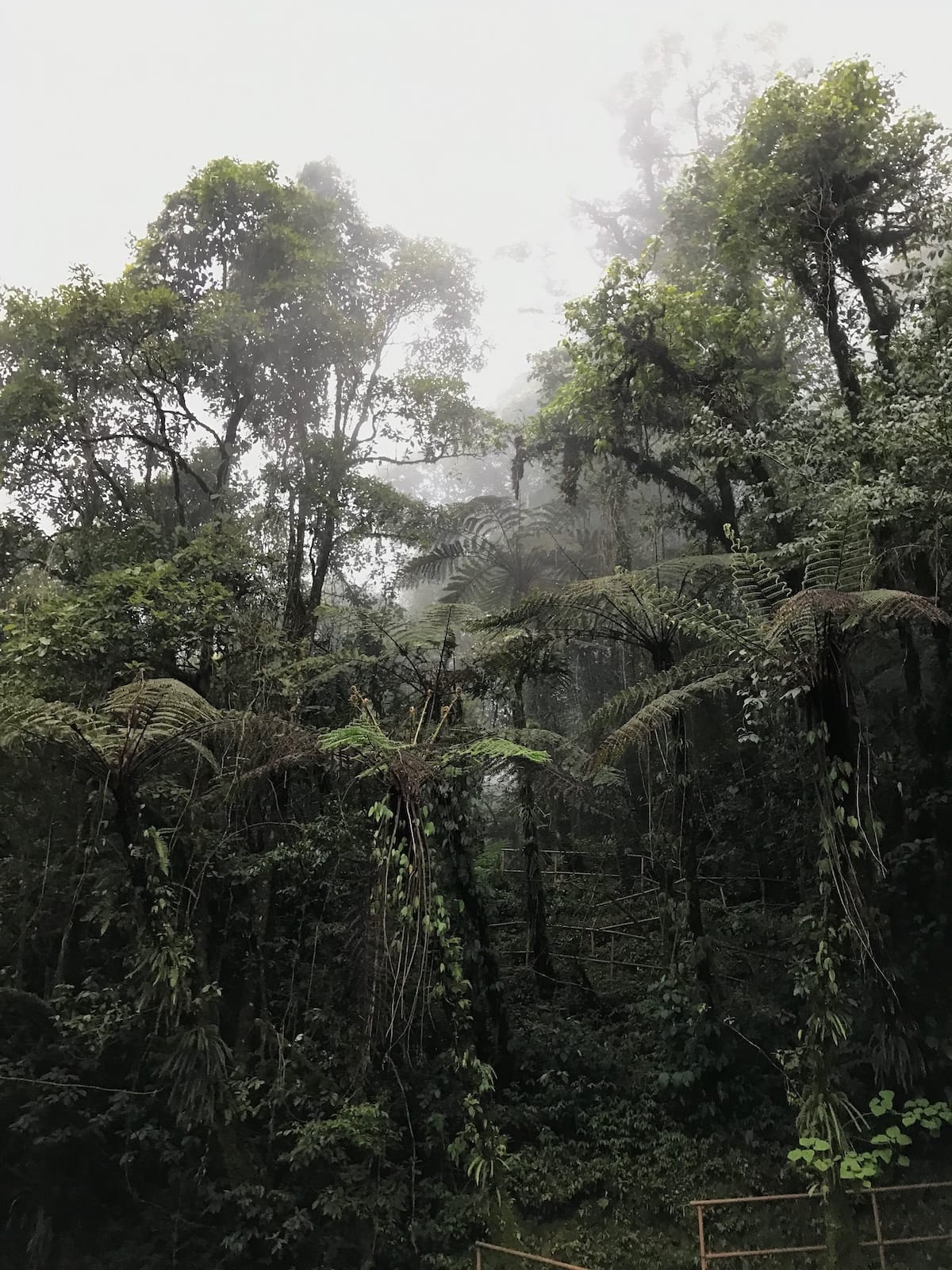
Tree ferns have been my obsession for the past two decades or so, but I think what really inspires my research is cloud forests. Cloud forests have a surreal, almost nostalgic feeling that really fascinates me.
Could you share an experience or anecdote from your work that has marked your career and reaffirmed your fascination with plants?
I can’t pinpoint one. It has been more like a succession of things that have kept me fascinated with plants. From collecting a species for the first time (for instance, getting to know non-arborescent tree ferns in the wild was incredible), to getting the results of an analysis. What really keeps me going is the fact that there is always something new with plants, new questions to make and answer.
What advice would you give young scientists considering a career in plant biology?
Perhaps two simple things that I’ve learned along the way. First, avoid doing things for the wrong reasons, even if these appear to be good reasons. Don’t write a paper just to get it published and have an extra line in your CV, write it because you enjoy it and because you want to communicate to people what you’ve found. Perhaps it is a bit too romantic or naïve to think this way. I guess my point is that no paper is worth the stress and the anxiety. I once ended up in the emergency room with a panic attack that I was sure was a heart attack, all because I received a bad review or something. Now the electrocardiogram chart of that day is hanging in the wall at my office just to remind me.
Second, do not confuse success with fame. That one is actually from Mark Knopfler.
What do people usually get wrong about plants?
Maybe is the fact that they are sessile that makes people see them as uninteresting or boring. Plants are often seen as part of the scenery, as the background to the real action happening with animals.
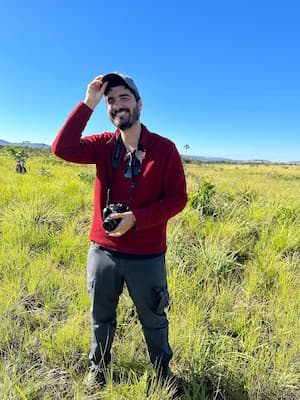
Carlos A. Ordóñez-Parra
Carlos (he/him) is a Colombian seed ecologist currently doing his PhD at Universidade Federal de Minas Gerais (Belo Horizonte, Brazil) and working as a Science Editor at Botany One and a Communications Officer at the International Society for Seed Science. You can follow him on BlueSky at @caordonezparra.