


Semi-natural grasslands are biodiversity hotspots, harbouring a rich variety of plant and animal species. In fact, at small scales, these grasslands can surpass even tropical rainforests in plant species richness. However, these vital ecosystems are under threat from habitat loss and fragmentation due to land use changes, including agricultural intensification and urban expansion. As these grasslands become increasingly isolated, it’s crucial to understand how remaining patches stay connected. A recent study by Henriksen and colleagues aimed to identify key plant and bee species that act as connectors between fragmented semi-natural grasslands and evaluate the potential of road verges as supporting habitats for these important species.
The study identified 11 plant taxa and 9 bee species as crucial “patch connectors” in the network of semi-natural grasslands. These connector species play a vital role in linking fragmented habitats across the landscape.
The plant connectors include a diverse range of taxa: clovers (Trifolium), members of the honeysuckle family (Caprifoliaceae), cinquefoils (Potentilla), daisies (Asteraceae), pinks (Caryophyllaceae), plantains (Plantaginaceae), bellflowers (Campanulaceae), buttercups (Ranunculus), vetches (Vicia), roses (Rosaceae), and yellow rattle (Rhinanthus).
Among the bees, several bumblebee (Bombus) species were identified as connectors, but interestingly, the list also included species from other genera such as Andrena and Lasioglossum. These species are described as “primitively eusocial,” meaning they’re not big hive bees, like honeybees. As they have smaller nests, they wouldn’t be expected to travel so far to forage, so it’s a surprise that they too are connector species.
These connector species are essential for maintaining ecosystem cohesion. By moving between isolated patches of semi-natural grasslands, they facilitate gene flow and pollen transfer across the fragmented landscape. This connectivity is crucial for the long-term stability and functioning of these ecosystems, helping to prevent local extinctions and maintain the rich biodiversity characteristic of semi-natural grasslands. But in order to connect grassland fragments, these species need to be able to move along ‘corridors’ between them.
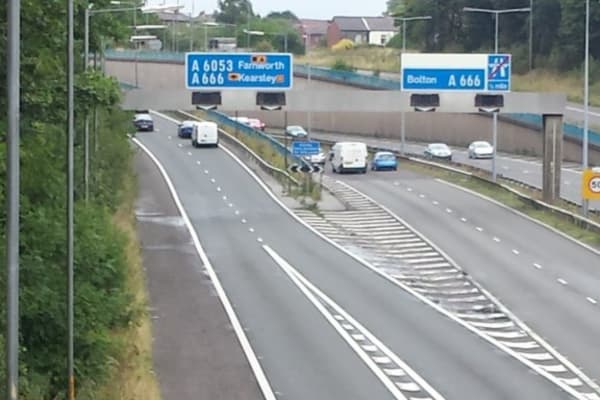
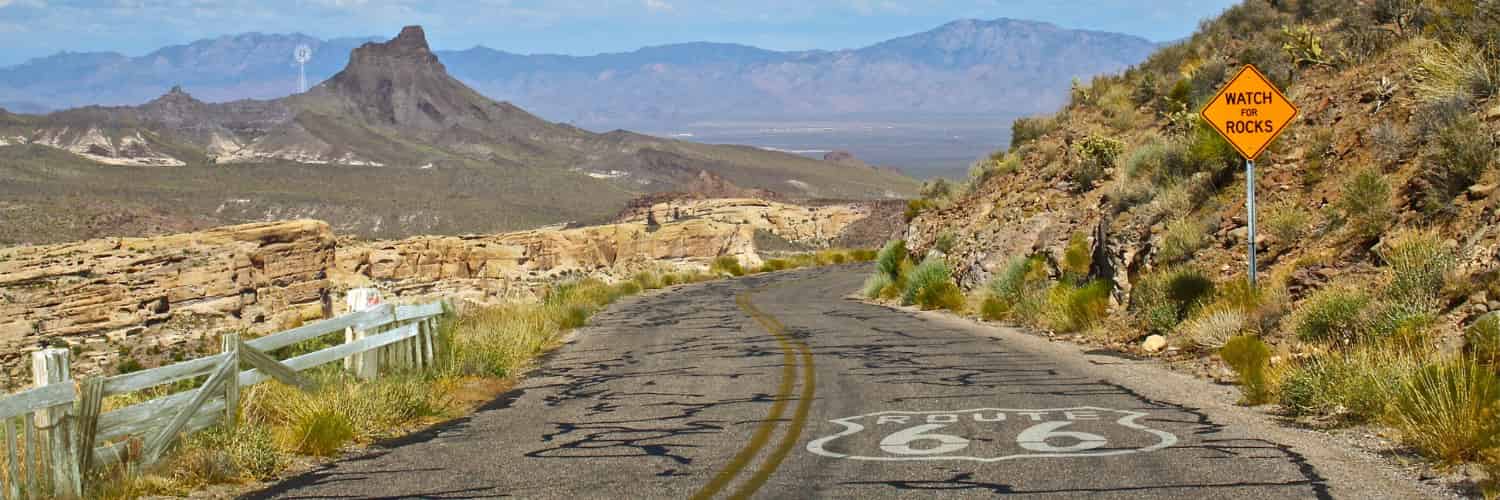
One possible corridor could be road verges. Road verges – the strips of grass and vegetation alongside roads – share some characteristics with semi-natural grasslands. Both are open, grassy areas subject to some level of disturbance, and road verges are widely distributed across the landscape, potentially connecting the semi-natural grasslands. This has led ecologists to investigate whether road verges could serve as supporting habitats for the important connector species they identified in semi-natural grasslands
Henriksen and colleagues found that the plant and bee communities, and the ways they interact, were more similar across different road verge sites than across different semi-natural grassland sites. This reduced variation suggests that road verges do not support the same level of diversity found in semi-natural grasslands, contrary to what researchers had hoped. Instead of acting as refuges for the rich variety of species typically found in semi-natural grasslands, road verges appear to contribute to a homogenisation of plant and bee communities across the landscape.
Several factors may explain the limited functionality of road verges as supporting habitats. Henriksen and colleagues suggest that road verges might primarily harbour habitat generalist species, which are more adaptable to varied conditions but don’t represent the specialist species characteristic of semi-natural grasslands. Additionally, road verges are subject to unique pressures such as pollution from vehicle emissions and frequent disturbances from traffic and management activities. These conditions may create a filtering effect, allowing only certain species to thrive. Furthermore, the relatively recent and uniform establishment of many road verges could contribute to their lower diversity compared to the long-established and varied conditions found in semi-natural grasslands.
Henriksen and colleagues conclude:
Time and resources for conservation action are limited and not all species are equal in their functional importance. Our study has identified connector species in networks of remnant semi-natural grasslands in a region under pressure from urbanization and agricultural intensification… Semi-natural grasslands are biodiversity hotspots and targeting conservation action at functionally important connector species could provide a useful tool for delivering rapid and cost-effective actions that increase habitat connectivity and mitigate effects of fragmentation on semi-natural grasslands.
READ THE ARTICLE
Henriksen, M.V., Bär, A., Garratt, M.P.D., Nielsen, A. and Johansen, L. (2024) “Limited function of road verges as habitat for species connecting plant–bee networks in remnant semi-natural grasslands,” Philosophical Transactions of the Royal Society of London. Series B, Biological Sciences, 379(1909). Available at: https://doi.org/10.1098/rstb.2023.0168.