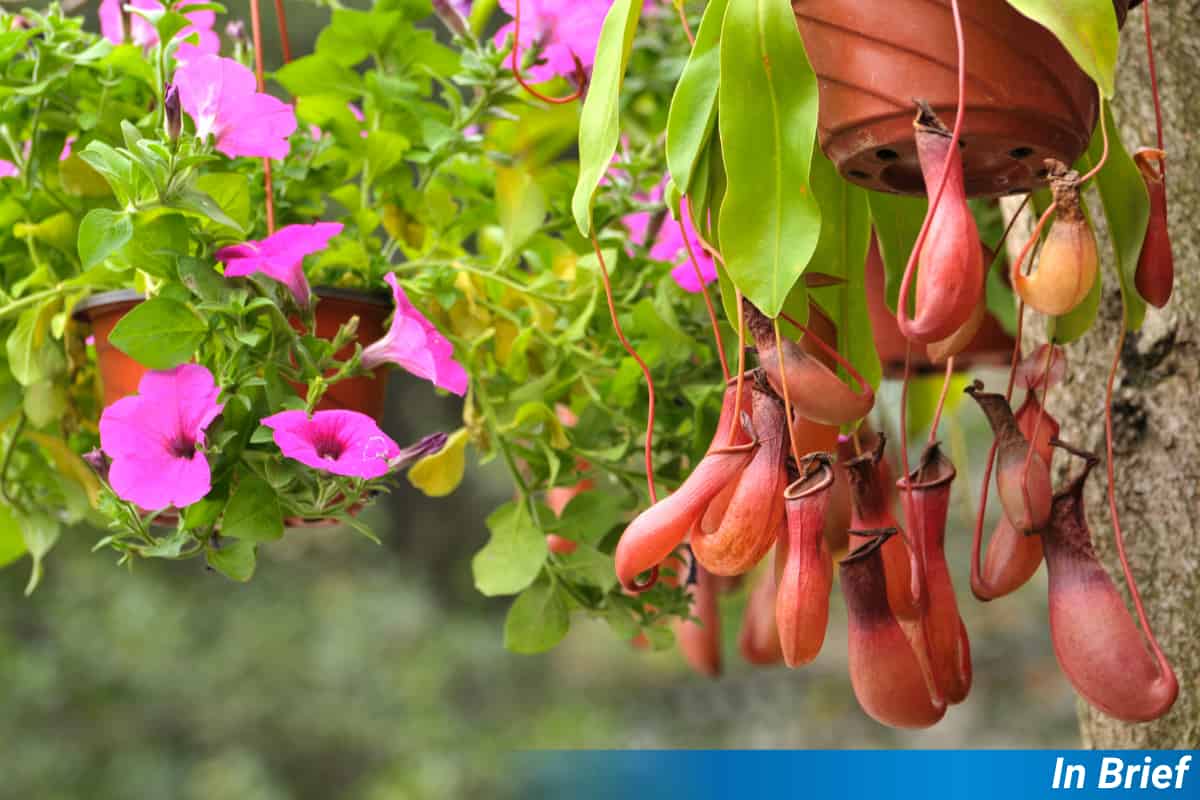



The latest plant discoveries can be yours, for a price. But how legal is the trade in newly discovered plants? Robinson and colleagues looked at pitcher plants (Nepenthes species) sold online between 1996-2016, to see if they were legally sold. They discovered that over half of newly found pitcher plant species quickly appear for sale online, but their legal status is often unclear. This matters because some plants have been driven to extinction by collectors shortly after being discovered. The orchid Paphiopedilum vietnamense survived in the wild for just four years after discovery.
Out of 51 newly discovered pitcher plant species found for sale online, 32 had no official trade records. When Robinson and colleagues contacted countries where these plants naturally grow, only 5 out of the 32 species had been given permission for export. A problem is that most government offices failed to respond when asked if they had given permission to collect the plants’ seeds. This missing paper trail makes it nearly impossible for buyers to check if plants were legally sourced.
To track down these plants in trade, the researchers had to become online plant detectives. They combed through 100 different websites that sell pitcher plants, from specialist nurseries to general marketplaces. Next, they dug into official records. Every legal international sale of protected plants should leave a paper trail in a database called CITES. The team checked twenty years of these records, looking for any trace of newly discovered species changing hands. When they found plants being sold with no paper trail, they went straight to the source – emailing the government offices responsible for plant trade in each country where these pitcher plants naturally grow.
These findings matter because nearly all pitcher plants are protected species. Their trade is supposed to be carefully monitored because collectors put so much pressure on wild populations. But there’s a catch. Seeds and laboratory-grown plants can be traded without permits, creating a loophole. Once a plant is growing in someone’s greenhouse, it’s very hard to prove where it originally came from. This isn’t just a pitcher plant problem. The same issues crop up whenever exciting new species are discovered, whether they’re orchids, reptiles, or other collectible species that enthusiasts desperately want to own. Species are being sold into extinction.
Robinson, J. E., & Roberts, D. L. (2024). Determining the legality of newly described CITES-listed species in the horticulture trade of tropical pitcher plants (Nepenthes). Conservation Biology, 38, e14361. https://doi.org/10.1111/cobi.14361