


From Plants and People we moved more on to Plants and Planet with a session that looks at how plants are coping with change on a global scale.
https://youtu.be/AxE1azIg9TA?t=202
Talk by Katie Field
https://twitter.com/zoemig/status/1169254415347396610
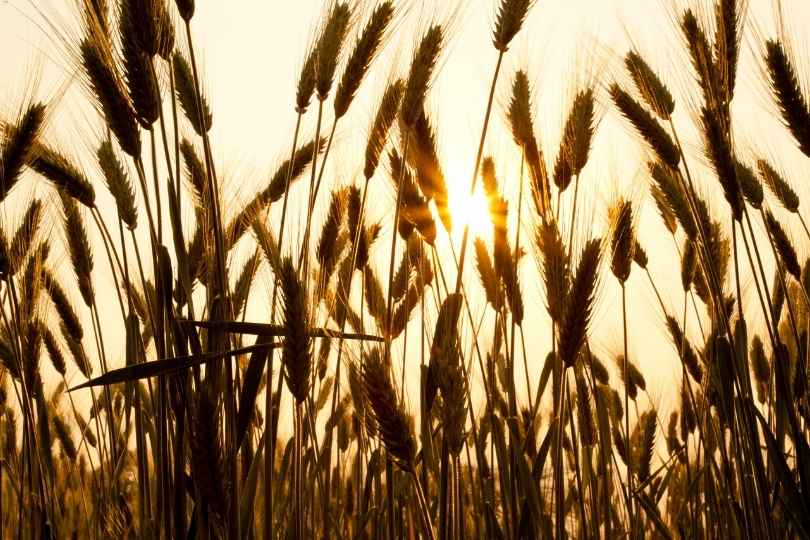
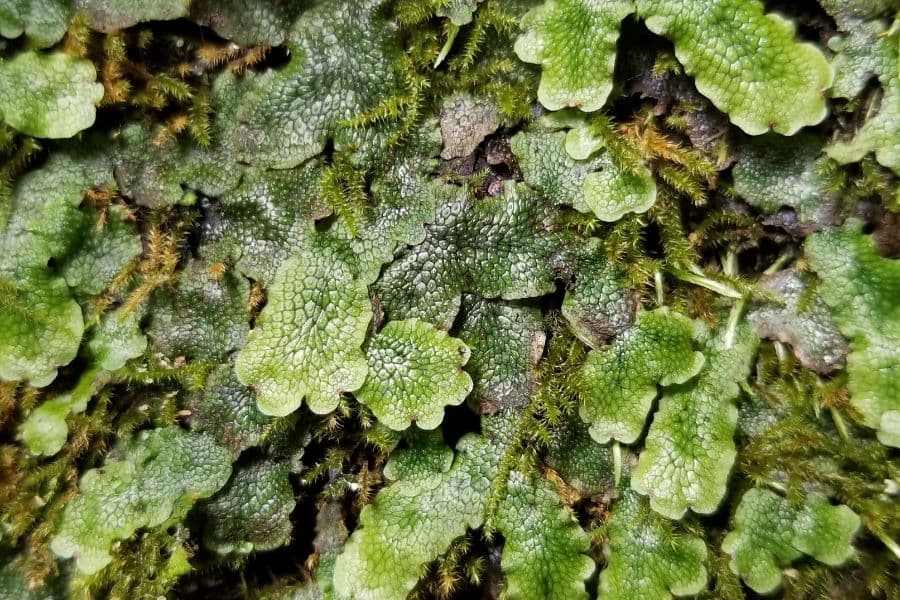
Katie Field has been working on wheat. Field started off by looking at the transition from water to land by plants. Looking at the Rhynie Chert you can see the root-like structures of the earliest plants. When plants were moving to land CO2 was at 10 times the concentration than it is now. Looking at fossils from this period, there are things that look like arbuscular mycorrhizal fungi. Arbuscular mycorrhizal fungi matter because symbiosis can be highly beneficial in crops and wider agroecosystems in many ways, including improved soil structure and resistance to pests.
But plants aren’t alone out there! More than 90% of them have fungal symbionts! @KatieField4 asks: Can we use this relationship to help feed the world? #PPP19 pic.twitter.com/sSH7SIAmzB
— Zoë Migicovsky (@zoemig) September 4, 2019