Uncategorized
Seed dormancy and parasitic plants – this week in Annals of Botany
Exciting new plant science in Annals of Botany this week.

Uncategorized
Exciting new plant science in Annals of Botany this week.

Uncategorized
Four decades of intensive research into anthropogenically induced shifts in CO2, precipitation, and temperature evidence important biological impacts on many plant species. As ecologists develop more
annals-of-botany
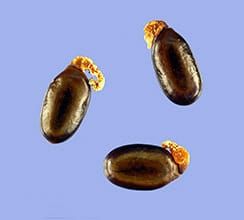
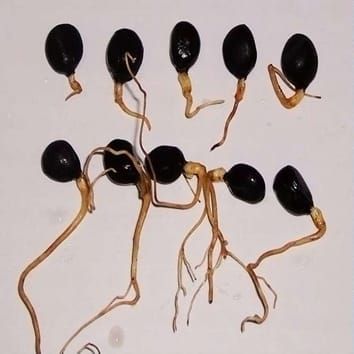
A study of Tibetan peony seeds (Paeonia ludlowii) finds that a root length of ≥6 cm is necessary before dormancy can be released by cold stratification.
AoB PLANTS
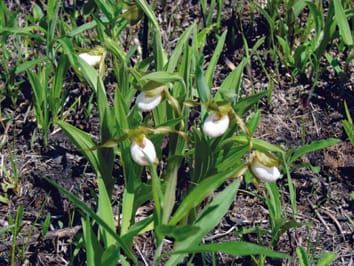
For many species of conservation significance, multiple factors limit reproduction. In a new study published in AoB PLANTS, Walsh et al. examined the contribution of plant
Plant Cuttings
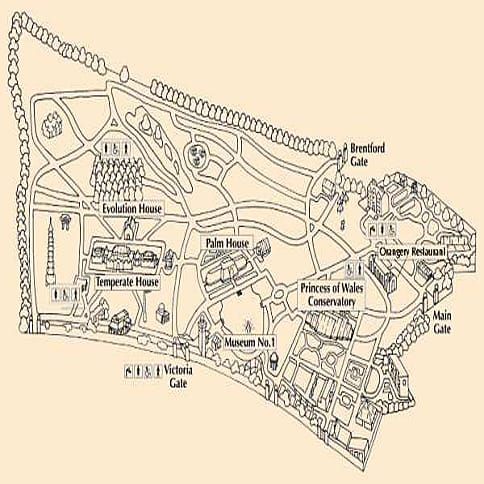
There’s an insufficiency of people to grow the new crops that aren’t being identified because of the dearth of plant taxonomists. Where will it all end..?
annals-of-botany
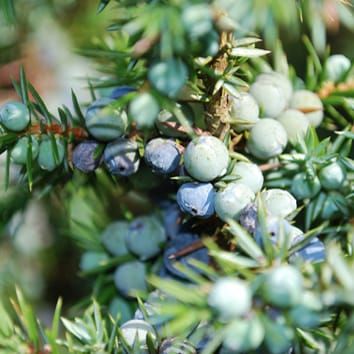
Knowledge about the interacting effects of various global-change drivers on sexual reproduction of plants, one of their key mechanisms to cope with change, is limited.
annals-of-botany
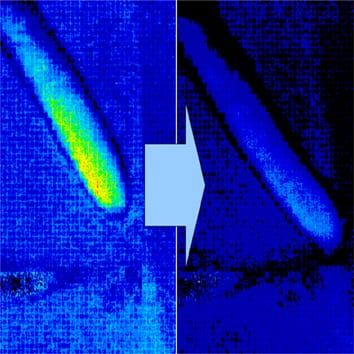
Ribeiro et al. use a portable laser and a digital microscope to observe in situ biospeckle activity in roots of Zea mays, Jatropha curcas and Citrus limonia
annals-of-botany
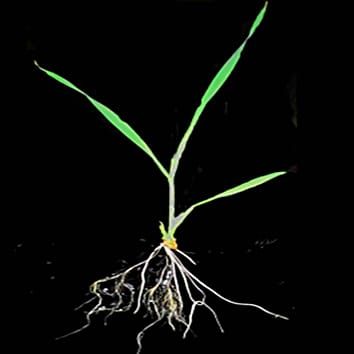
A study of barley plants during the early stages of vegetative development (9–28 d old) to determine by what means root water uptake is increased.
Uncategorized
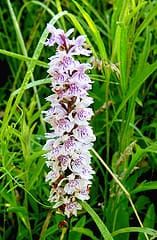
Lots of exciting new plant science in Annals of Botany this week.
AoB PLANTS
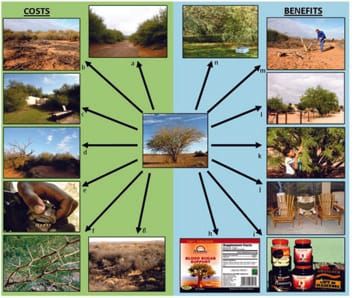
Invasive species cause ecological, economic and social impacts and are key drivers of global change. This is the case for the genus Prosopis (mesquite; Fabaceae) where
annals-of-botany
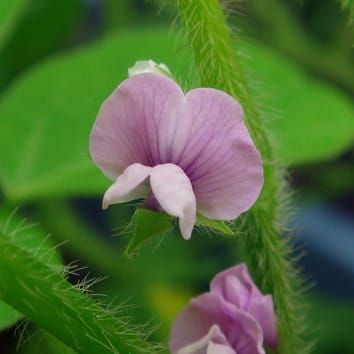
This study’s results suggest the existence of unidentified genes for flowering in soybean.
Plant Cuttings
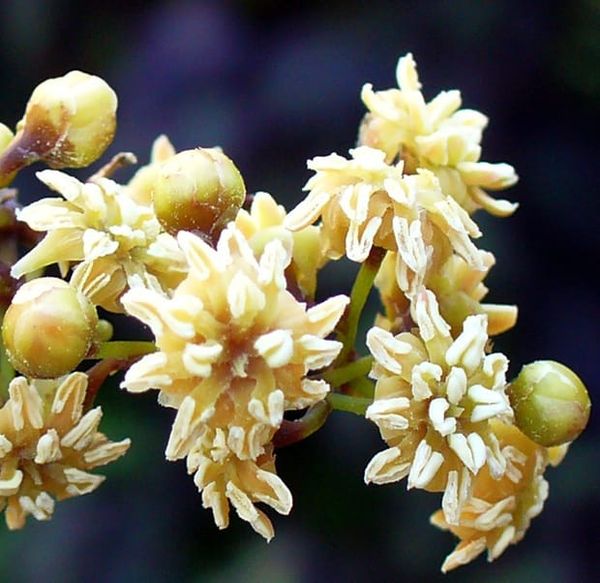
Rare and monotypic Amborella is probably the living – extant – flowering plant closest evolutionarily to the first true member of the angiosperm group.