The Week in Botany
The Week in Botany, August 18, 2025
This week, Liedson Carneiro on networking, gunfire doesn’t stop Botany, how dinosaurs got along with each other, and more.

The Week in Botany
This week, Liedson Carneiro on networking, gunfire doesn’t stop Botany, how dinosaurs got along with each other, and more.
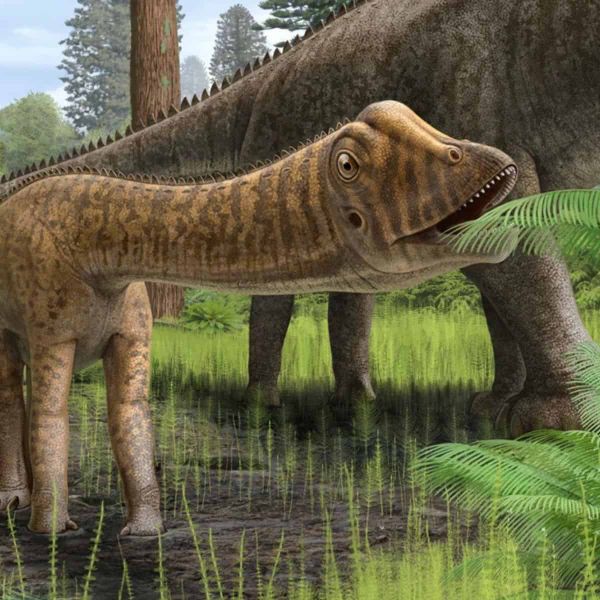
Close Encounters
By analysing calcium isotopes in dinosaur teeth, researchers have revealed the feeding habits of Jurassic herbivores, shedding light on how they coexisted.
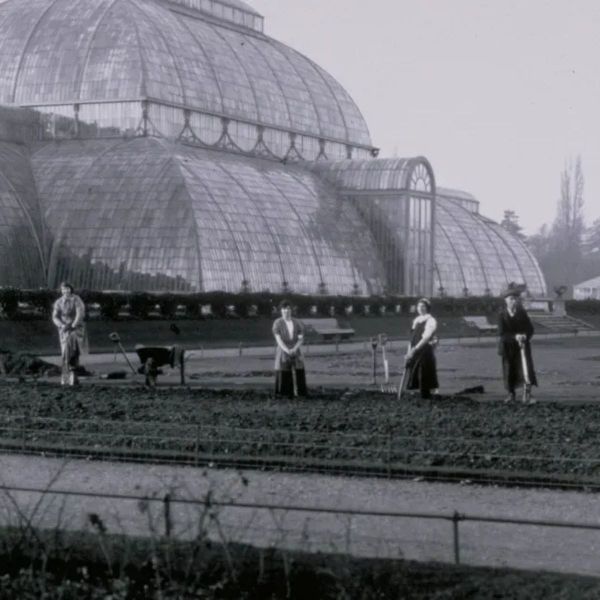
Plants & People
Long-forgotten flora collected during WWI are finally telling their stories, thanks to a 21st-century digital revival.
featured
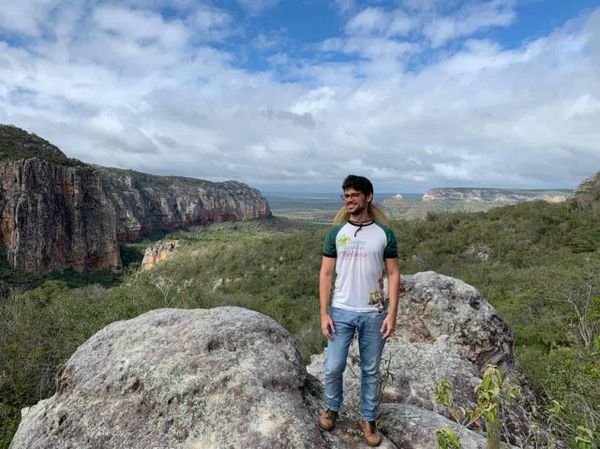
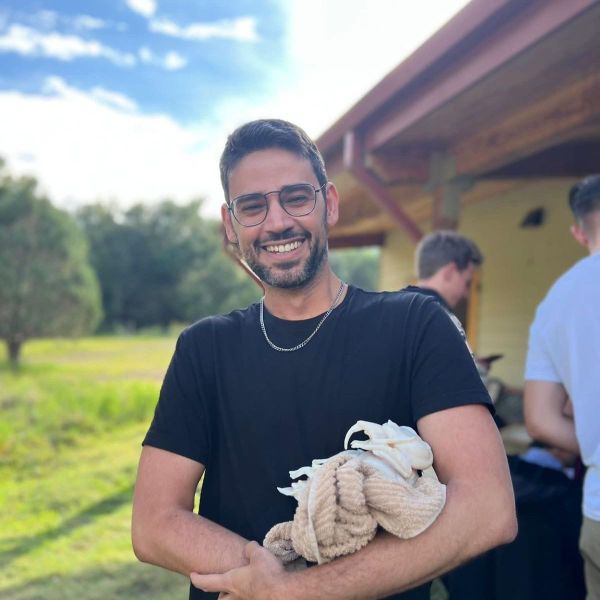
Botany One interviews Dr Liedson Carneiro, a pollination ecologist fascinated by plant–pollinator interactions and how these relationships sustain ecosystem function.
Ecosystems
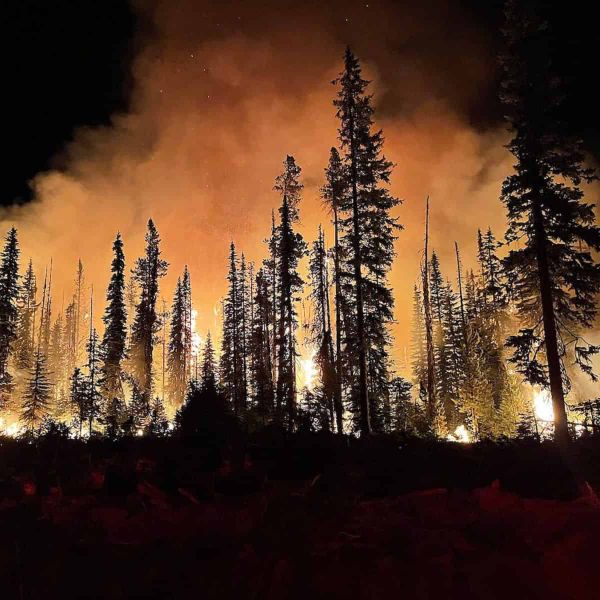
As the wildfire burns and sunlight fades, nature’s duet between bees and flowers is starting to sound like a breakup song.
Growth & Development
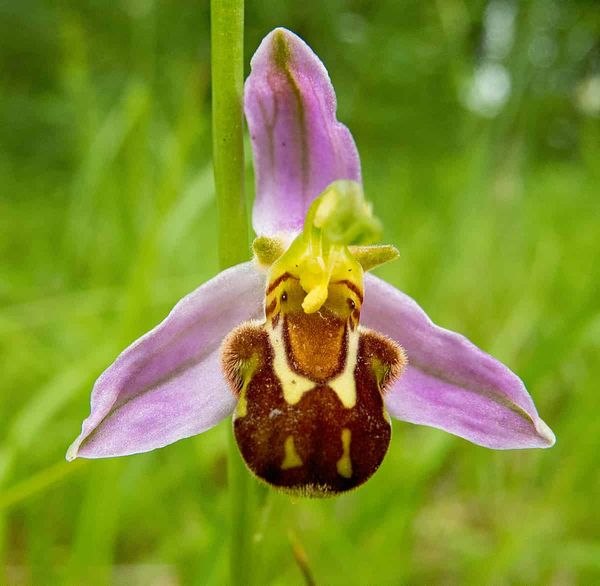
Scientists found a letter where Darwin predicted a major botanical discovery 36 years before anyone proved him right.
Plants & People
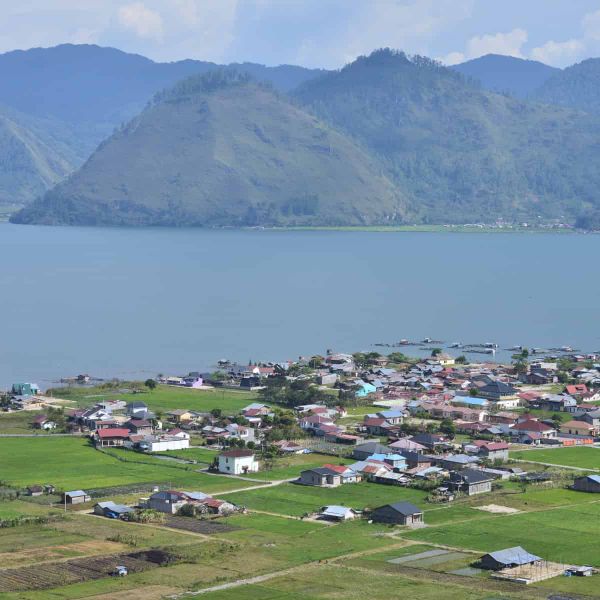
When scientists ventured into the backyards of Indonesian families, they discovered something remarkable hiding behind everyday cooking. Smallholders in Aceh are stewards of a complex ecosystem of 24 wild spice varieties that most of the world has never heard of.

The Week in Botany
This week, Juliane Ishida on her work with parasitic plants, how poor timing can spur flower evolution and a carnivorous plant that will you have your hand off, if you have tiny hands.
Close Encounters
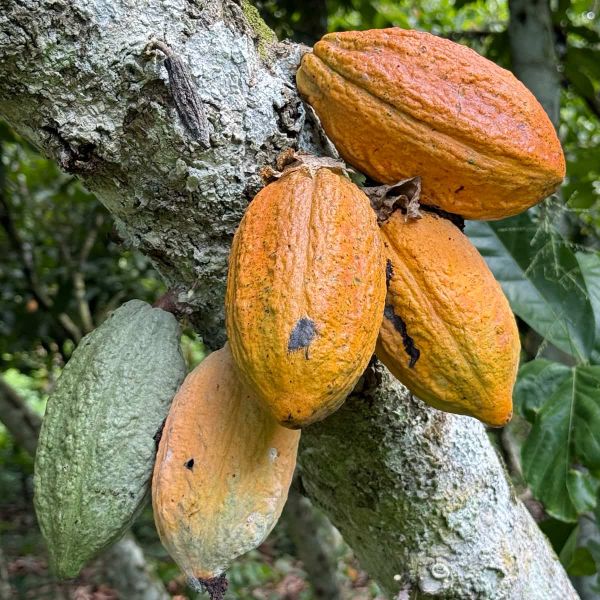
Food Dive reports on an attempt by Mars to keep chocolate affordable and make your M&Ms CRISPR.
Close Encounters
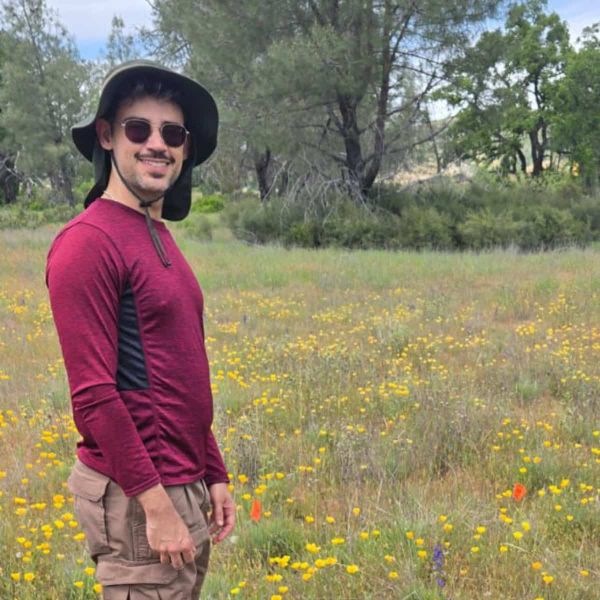
Some plants don’t flower at the same time as their pollinators are most active, and this mismatch can actually help keep a wide variety of flower shapes and sizes in nature by changing which traits are most useful at different times.
News in Brief
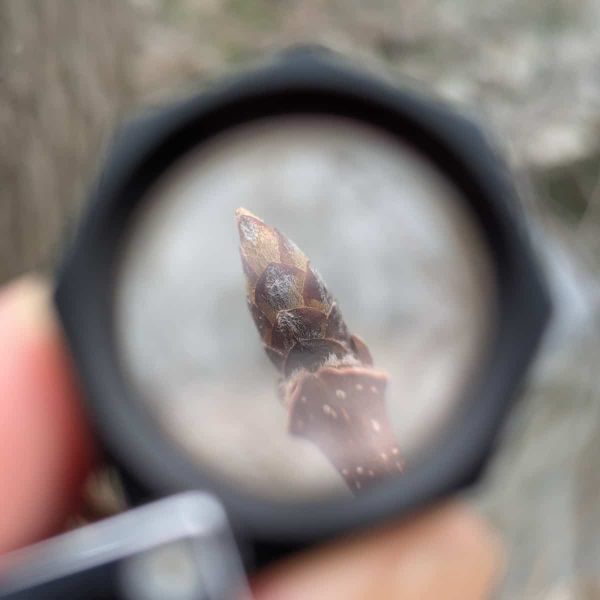
Gonzalez and colleagues introduce CAN BON, the Canadian Biodiversity Observation Network, a new project to track changes across the nation.
featured
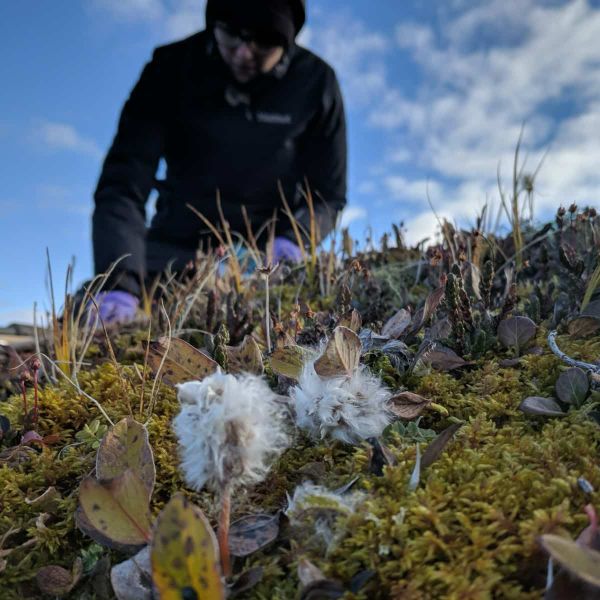
Digital images of herbarium specimens can be used to non-destructively measure woody plant growth and assess response to climate change in the Arctic.