Plant Cuttings
Don’t ignore the ‘orphans’!
The FAO has launched a ‘traditional crop of the month’ site to generate more appreciation of the nutritional – and often medical – benefits of food plants.

Plant Cuttings
The FAO has launched a ‘traditional crop of the month’ site to generate more appreciation of the nutritional – and often medical – benefits of food plants.
Uncategorized
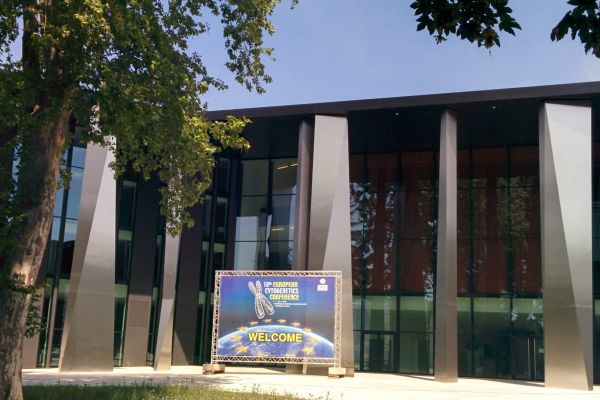
The European Cytogenetics Conference, this year #ECA2015 in Strasbourg, is a terrific meeting to hear the latest on chromosome research, with a strong focus on human
annals-of-botany
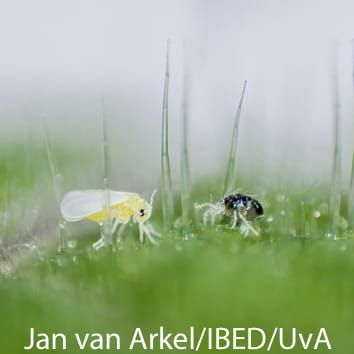
A review of the current state of knowledge about plant defences highlights insights into herbivore adaptations that allow them to cope with these defences.
annals-of-botany
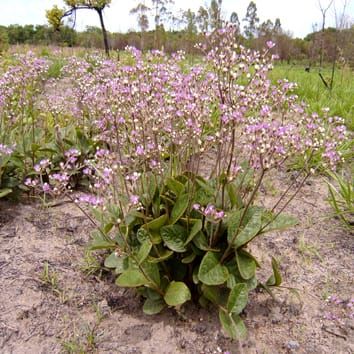
Results suggest that the co-ordinated action of carbohydrate metabolism and hormone synthesis enables C. obovata to survive unfavourable field conditions.
Plant Cuttings
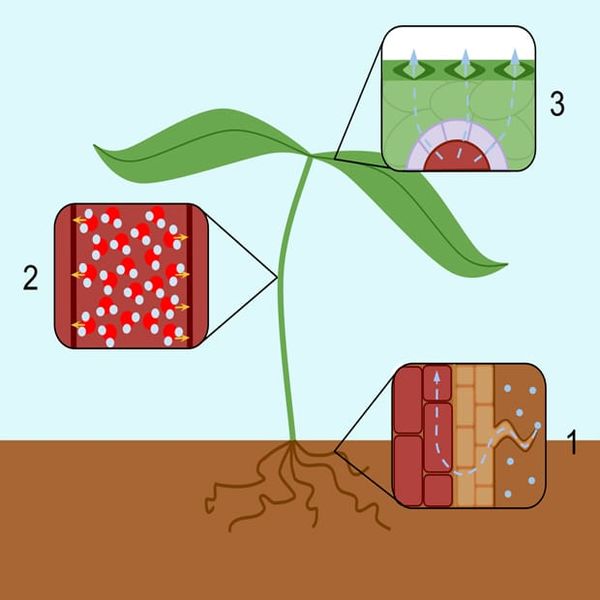
Is botany nothing more than a matter of physics?
Uncategorized
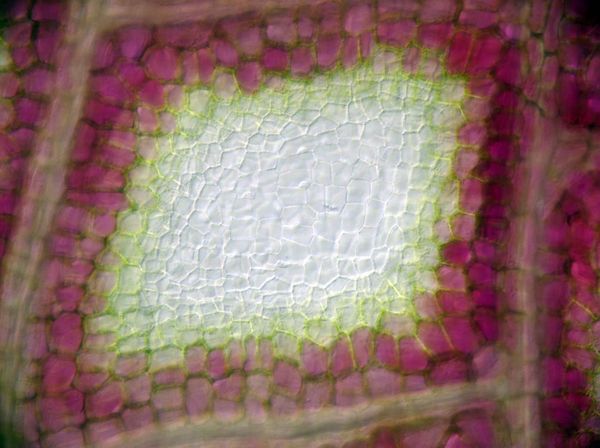
Let me introduce you to the wonderful world of the lace plant, Aponogeton madagascariensis. This exotic species native to streams in Madagascar has travelled far to
annals-of-botany
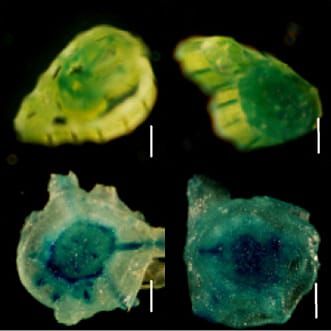
Strigolactones (SLs) and their derivatives are plant hormones that have recently been identified as regulating root development. Sun et al. study adventious roots (ARs) in SL-
Plant Cuttings
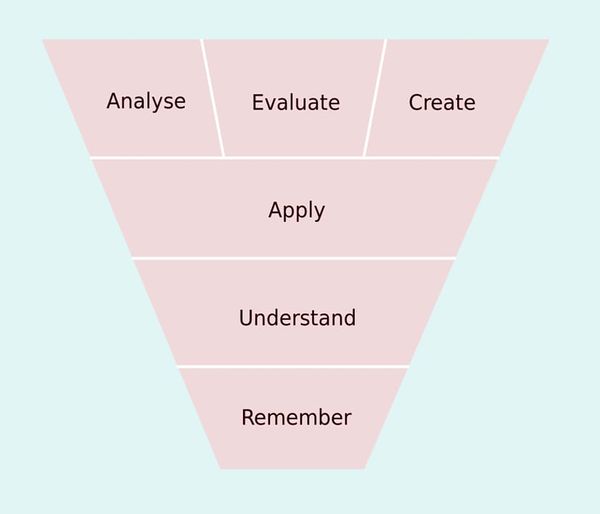
Is Bloom’s Taxonomy responsible for the severe decline in UK students’ knowledge of field biology skills?
Uncategorized
AoB Blog has been getting more visitors recently. We knew that we’d have to move host by October so we had plans to quietly set
annals-of-botany
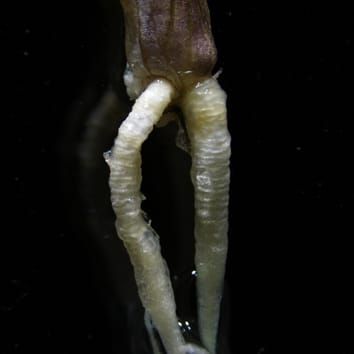
Contractile roots require specific anatomical adaptation of the root base, with less-lignified & less-suberized tissues than in the subapical root.
Reviews
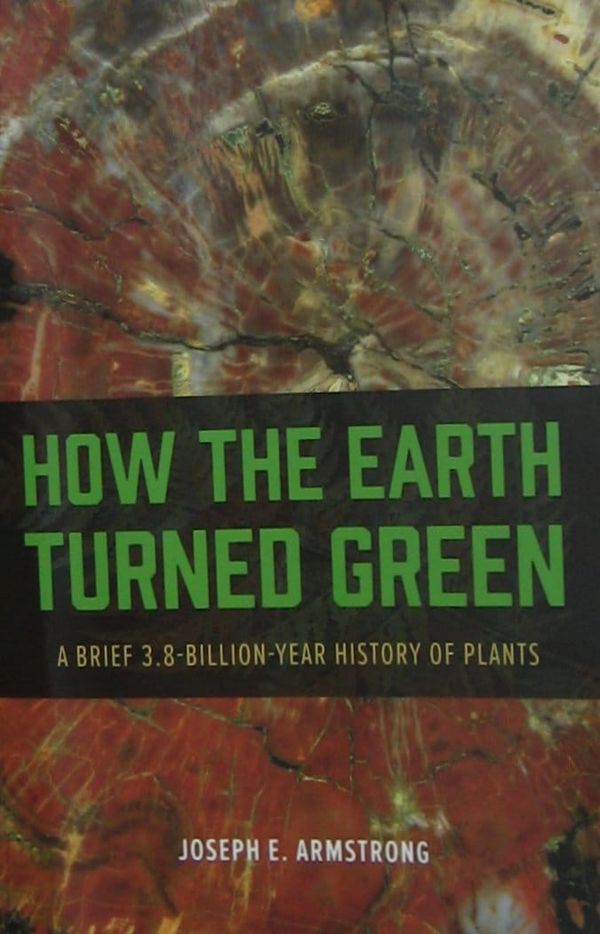
How the Earth Turned Green: A brief 3.8-billion-year history of plants Joseph E Armstrong. The University of Chicago Press, 2014. Spoiler alert! This
annals-of-botany
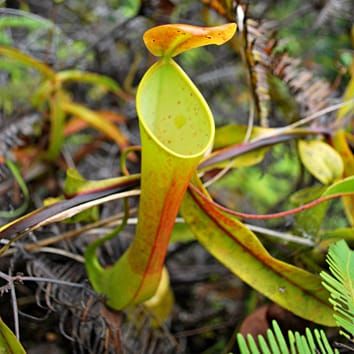
This study concludes that traps have lower rates of photosynthesis than leaves, and that leaves have higher rates of photosynthesis after feeding.