Uncategorized
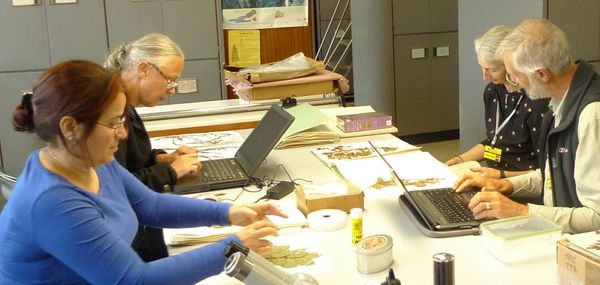
How you can use online herbaria to learn about plants
As part of Plant Facts Week (#PlantFactsWeek🌱) we present this post about online herbaria and the great things you can learn about plants and get involved

Uncategorized
As part of Plant Facts Week (#PlantFactsWeek🌱) we present this post about online herbaria and the great things you can learn about plants and get involved
annals-of-botany
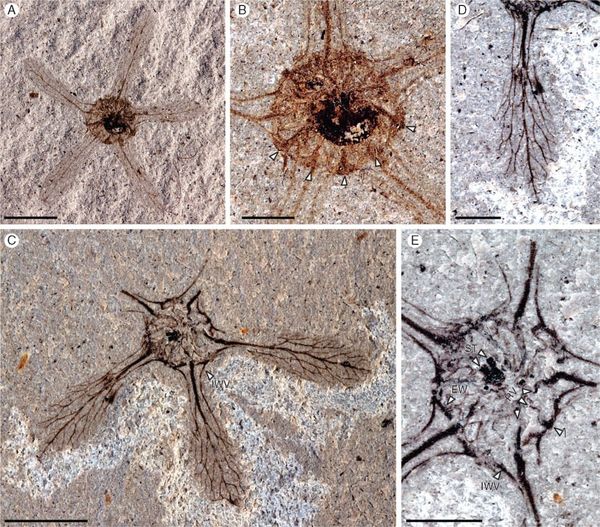
Museomic approaches are employed in order to establish an evolutionary, palaeoecological, and biogeographic context for radially symmetrical, five-winged fossil fruits from the highly diverse early
Uncategorized
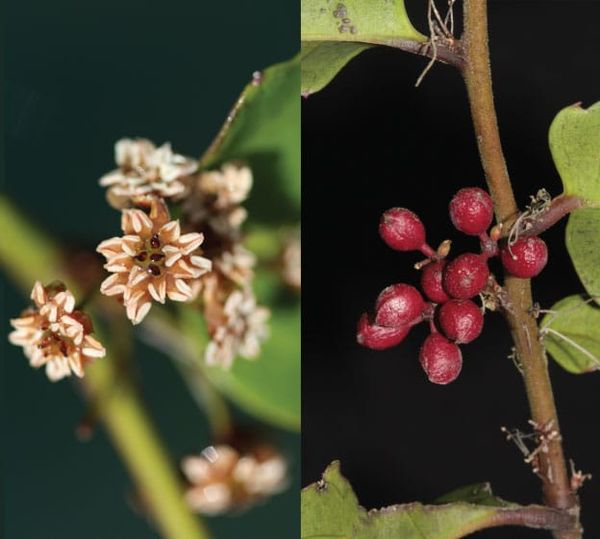
It’s difficult to peer into the past to see the first flowering plant, but Charlie Scutt shows how an ancestor in the modern-era provides some clues as to what it looked like.
AoB PLANTS
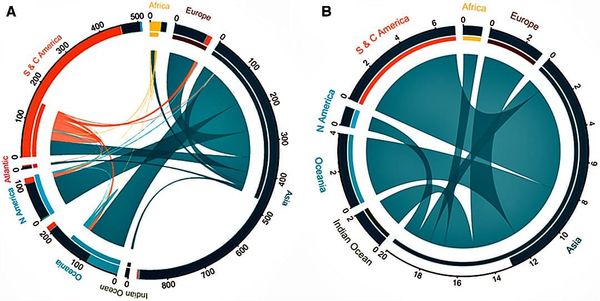
Bamboos are one of the most economically important plant groups globally, but this worldwide trade creates risks of invasions. In a recent review published in AoB
Uncategorized
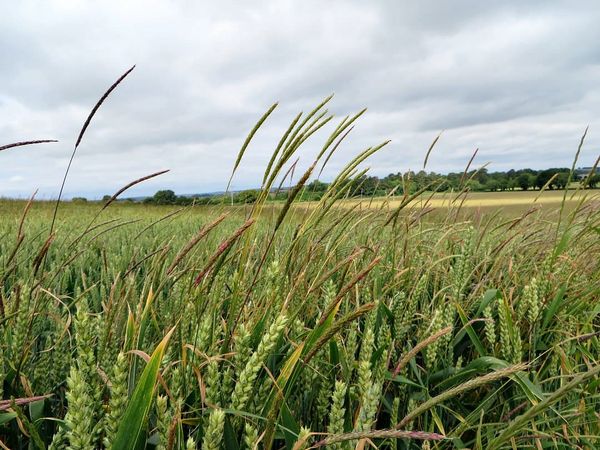
Visit an arable farm in England, particularly in its central and Southern parts, and ask the farmer what their number one problem is on their farm. They will most likely tell you it is black-grass.
annals-of-botany
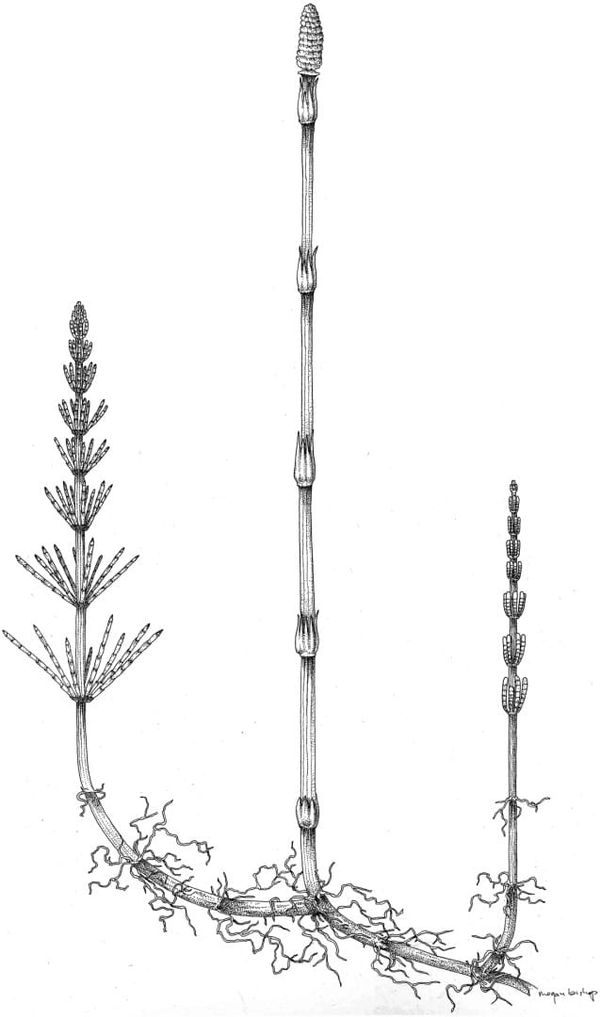
Sporangiophore development and Equisetum strobilus: how fossils and reproductive morphologies illuminate horsetail origins and homology

Uncategorized
For Joe Friday, it was enough to ask for “just the facts, ma’am.”* But do the facts help science communication?
annals-of-botany
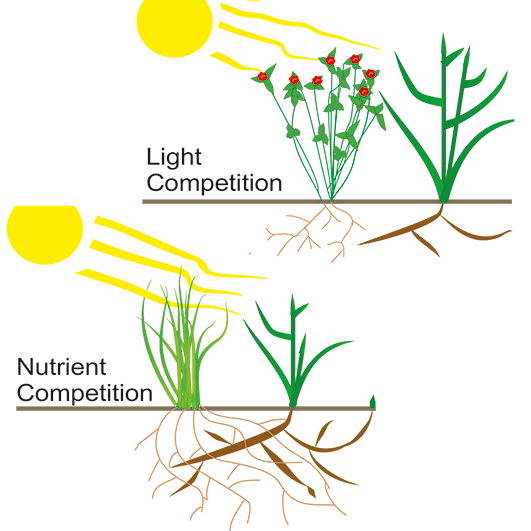
Competitive crops are important for sustainable cropping systems. For perennial weeds, below-ground organs, for instance rhizomes for couch grass, constitute the best measure of a

Uncategorized
What do you think of when you think of plants?
annals-of-botany
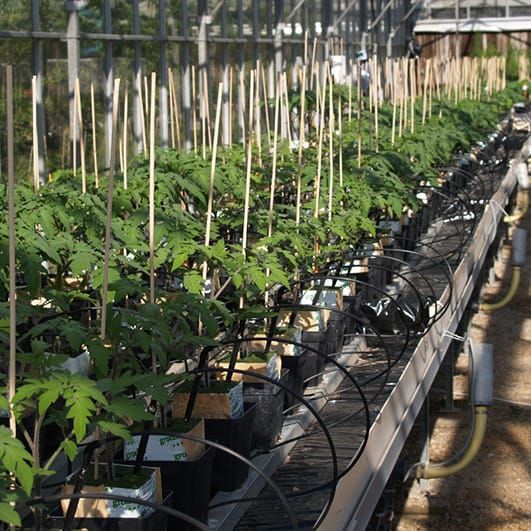
Plant defence against Botrytis cinerea, a ubiquitous pathogenic fungus, is known to depend upon the mobilisation of sugars which provide energy and carbon skeletons for the
AoB PLANTS
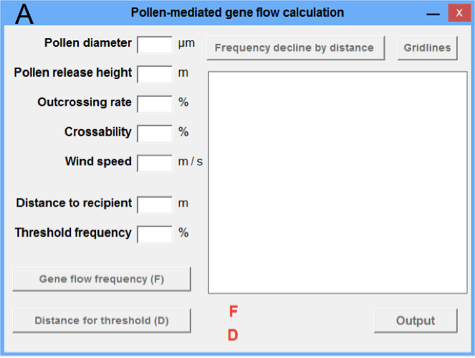
The potential socioeconomic and environmental impacts caused by transgene flow from genetically engineered (GE) crops have stimulated worldwide biosafety concerns. A recent study published in AoB
annals-of-botany
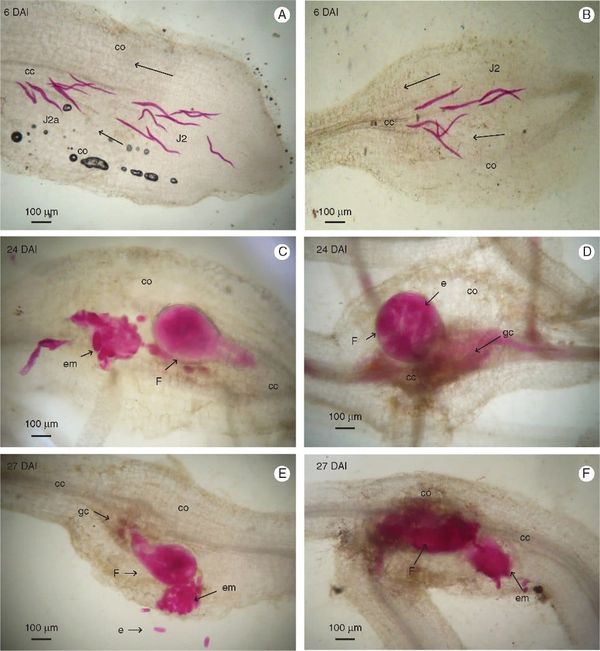
Root-knot nematodes (RKN) (Meloidogyne spp) cause considerable losses in banana (Musa sp.). Castañeda et al. investigate the root transcriptome in Musa acuminata during compatible interactions