Close Encounters
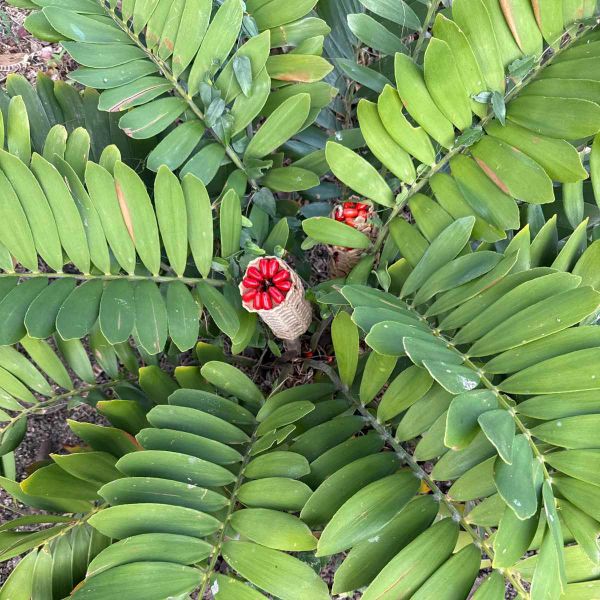
Cycads attract beetles with heat in the night
Pollination looked different at the time of the dinosaurs. Without showy flowers, heat was used to attract beetle pollinators.

Close Encounters
Pollination looked different at the time of the dinosaurs. Without showy flowers, heat was used to attract beetle pollinators.

The Week in Botany
If you receive this in your email, then this week it's time to celebrate.

Notes from the Editor
We’ve moved blogging platform and are squashing bugs and exploring opportunities.
Puzzles
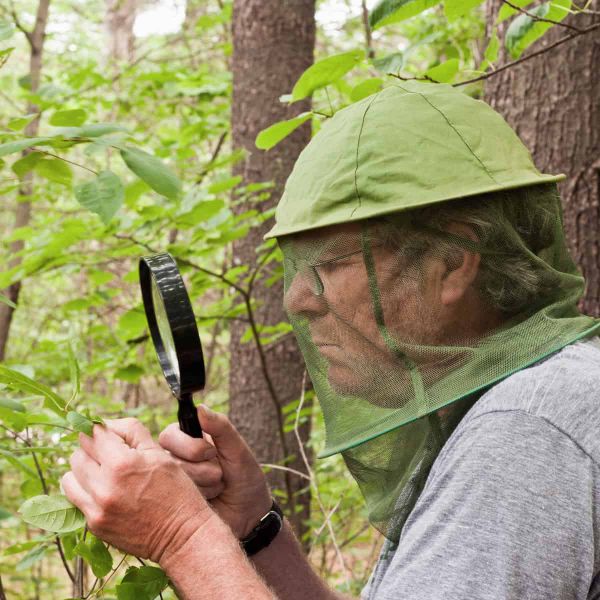
Can you find all the killers?

Puzzles
A garden in beta test
Plants & People
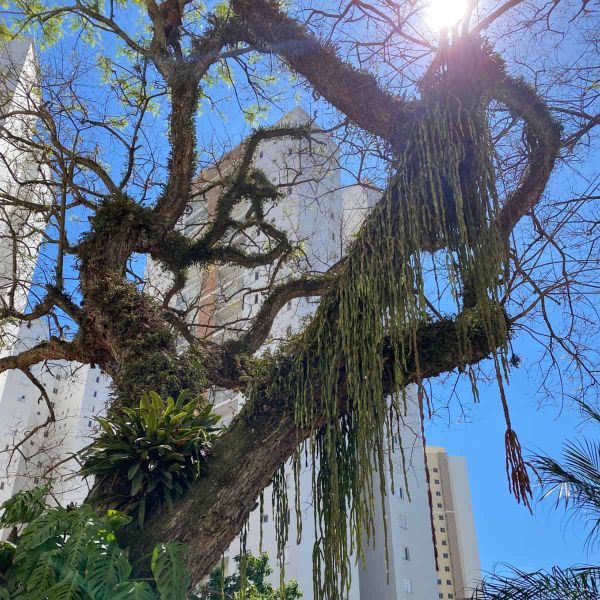
What’s the biggest barrier to participating in science: talent or your bank account?

The Week in Botany
This week, very little as we prepare to move to Ghost.

The Week in Botany
This week inspiration, coding and migraines. The last two may be connected.

Plants & People
A study of botanists’ pathways shows that if we want experts capable of addressing tomorrow’s challenges, we must start by cultivating their curiosity and awe.
The Week in Botany
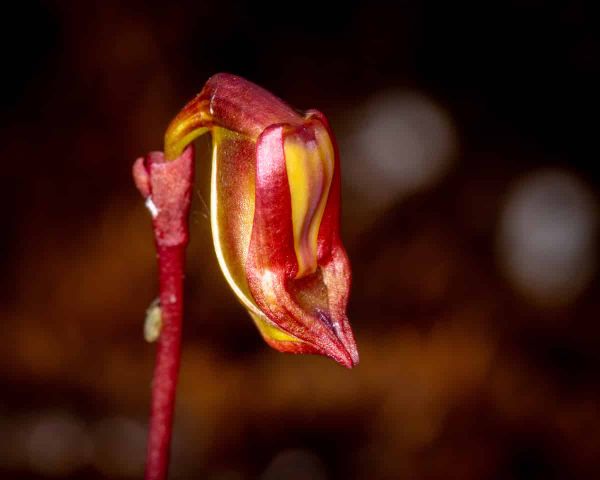
This week spirits that protect stranglers, plan creating a concrete jungle and more.
Close Encounters
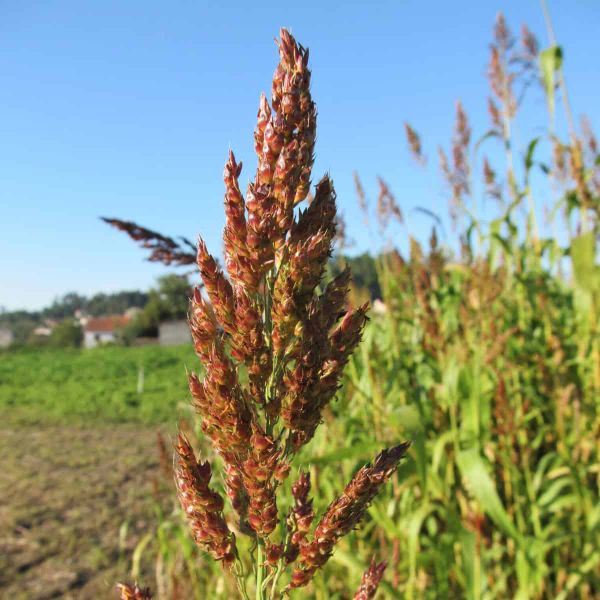
Sorghum plants can sense nearby plants through chemicals in the soil water, and this makes them slow their growth, which helps explain why planting crops close together doesn’t always increase yields.
Close Encounters
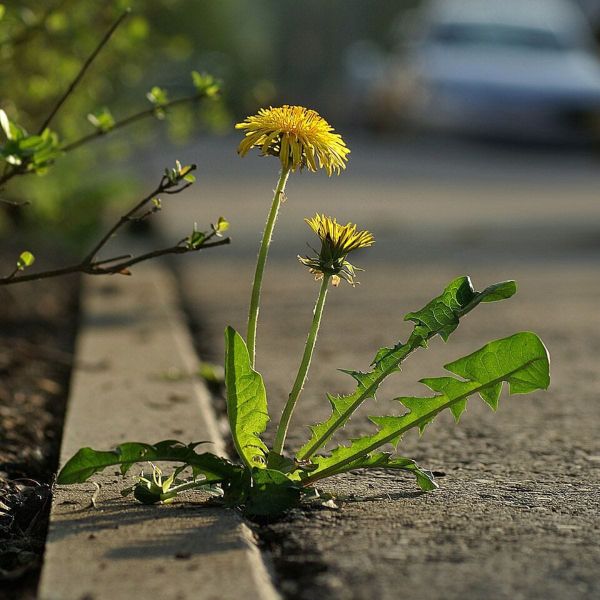
New research shows that the plants thriving in parking lots succeed not just because they are tough, but because they spread their pollen and seeds in many different ways.