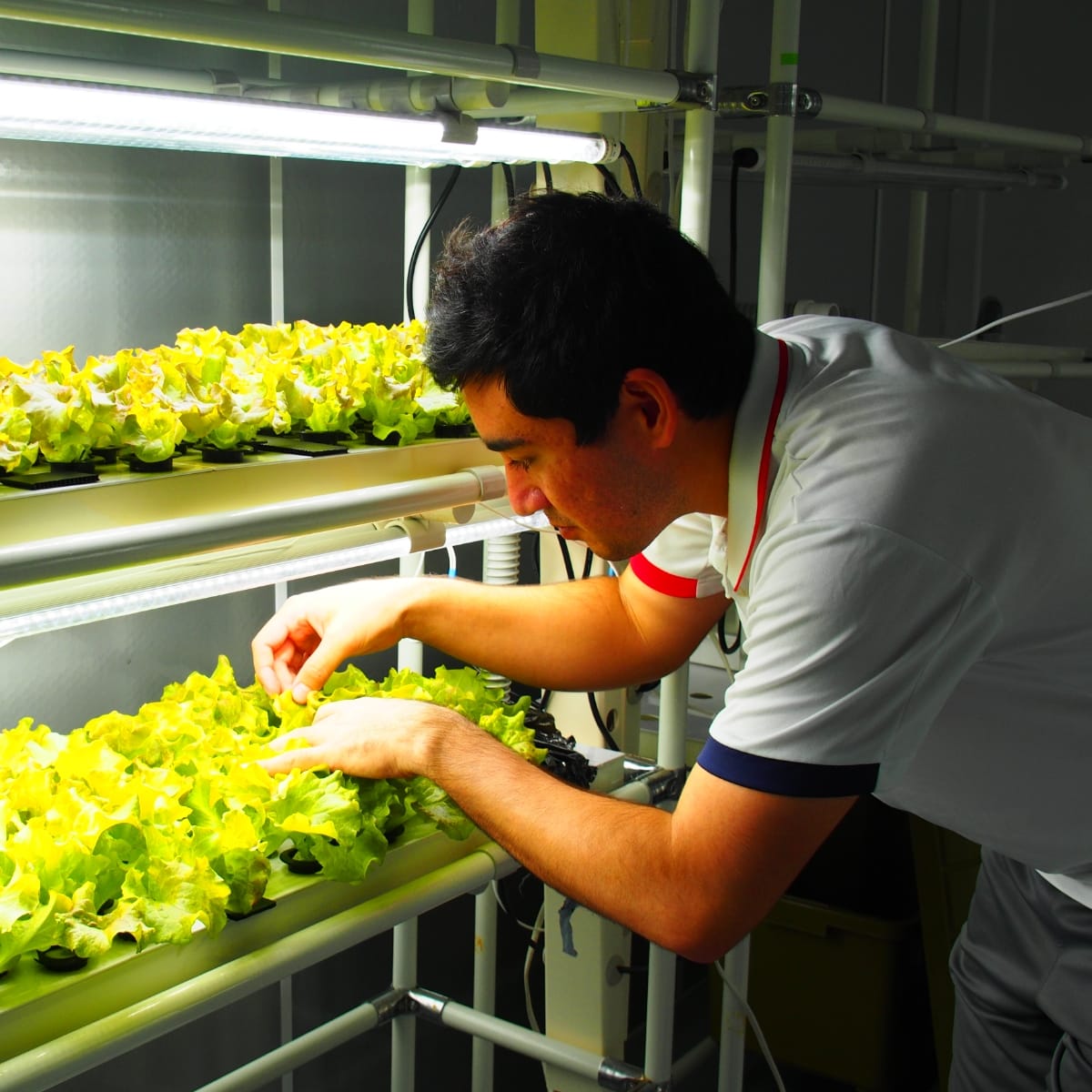



Plants are incredibly diverse, and so are botanists! In its mission to spread fascinating stories about the plant world, Botany One also introduces you to the scientists behind these great stories.
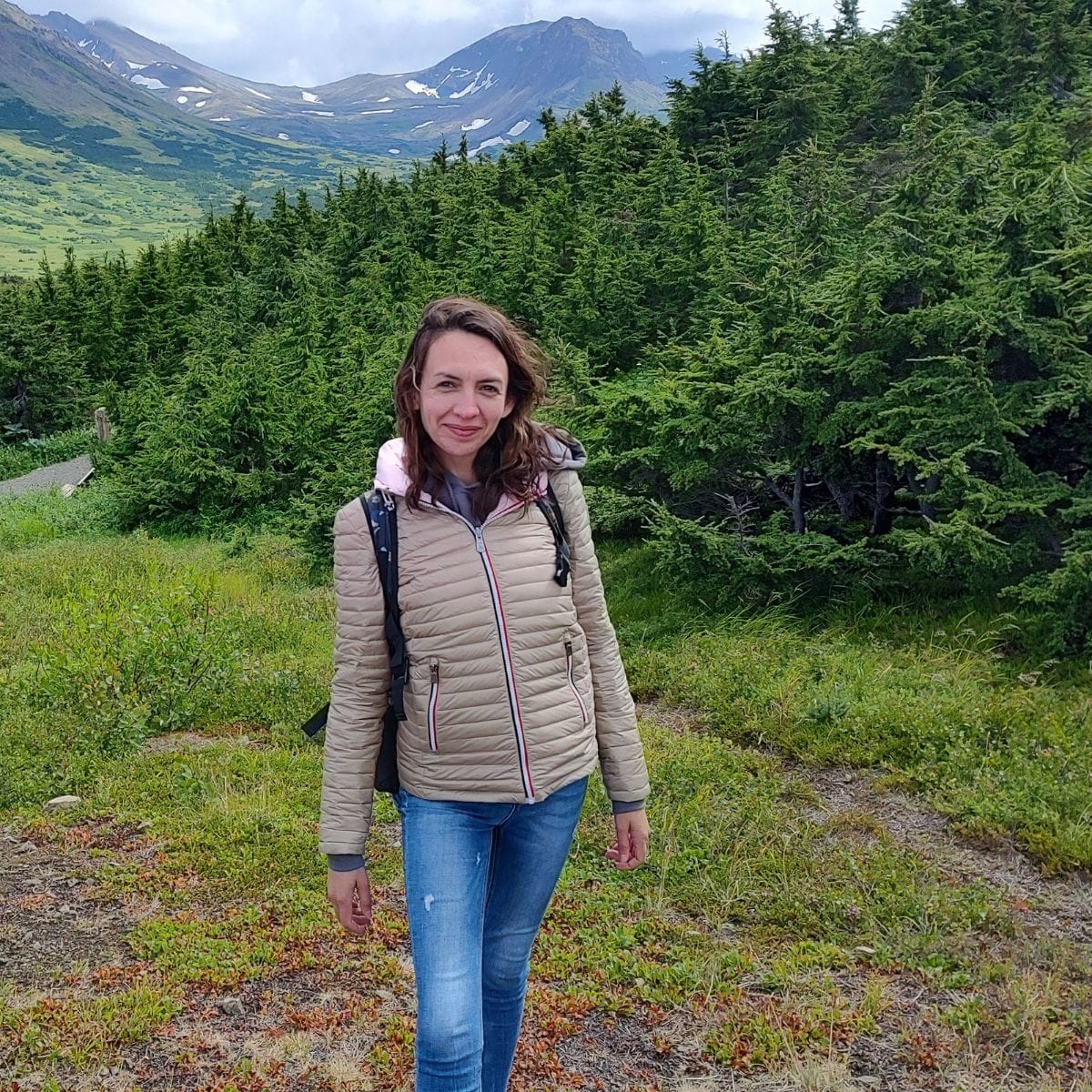
Today, we welcome Dr Natalia Pabón-Mora, a tropical botanist with a deep interest in plant developmental biology. Her research group in Plant Evolutionary Developmental Biology sits at the crossroads of development, genetics, and evolution. They aim to understand how morphological transitions in plants arise, the genes behind these changes, and how both traits and genes evolve over time.
By exploring the exceptional biodiversity of the Neotropics, her team addresses fundamental questions about the evolution of plant form. Their research goes beyond traditional model species, drawing on a wide range of non-model vascular plants. Among the questions they explore are: How do flowers evolve such striking diversity? How has reproductive timing adapted to local environments? How do different fruit forms emerge from similar floral structures? How do parasitic plants lose organs so dramatically? And, more broadly, how do plants generate the astonishing variety of forms we see across ecosystems today? If you want to know more about their work, you can check her lab’s website.
What made you become interested in plants?
My interest in plants really started with the greenery around me. Since I was very young, I was surrounded by nature. In my grandfather’s house in Tenza (Boyacá, Colombia), there were orchards, fruit trees, ornamentals, and a wonderful collection of orchids. Growing up in such an environment, I was constantly fascinated by the shapes, colours, and diversity of plants. Later, during my biology studies, my first botany classes confirmed that I wanted to become a plant biologist. I would also say that, being from Colombia, one of the world’s great biodiversity hotspots, makes it almost inevitable to fall in love with the vast diversity of plants; it’s a place where being a botanist feels completely natural.
What motivated you to pursue your current area of research?
The real turning point came when, as an undergraduate, I learned about homeotic mutants (i.e. plants in which one organ type develops as another, such as petals instead of stamens). That moment made me realise I had found my long-term scientific path. I remember returning from a conference where I had seen that specific genes control the identity of each floral organ, and I became determined to learn everything I could about it. I was fascinated by the idea that scientists could pinpoint the genetic information that defines floral structures, and I dreamed of uncovering how changes in these genes could give rise to the astonishing diversity of forms around us. Looking back, that was certainly ambitious, but along the way I’ve learned about many of the genes responsible for an incredible array of plant traits. I would say that plant evolutionary developmental biology, the field that seeks to understand how genetic shifts shape body plans and their transformations over time, is a truly inspiring discipline, especially when studying the extraordinary diversity of tropical flora.
What is your favourite part of your work related to plants?
My favourite part of working with plants is discovering their oddities, finding exceptions to the rules and realising how many independent solutions plants have evolved to solve the same challenges. Since they literally can’t run away from their problems, they’ve had to innovate in remarkable ways. I’m fascinated by how plants have conquered the planet: too much sun? They make their own sunscreen with thick cuticles and shrink their leaves into spines. Too many predators? They deploy an army of chemical defences. And some have even gone the “lazy” route, reducing their body plans and hijacking other plants to do the hard metabolic work (hence, parasitism). Plants are endlessly inventive, and honestly, they bring the best stories to any scientific conversation.
Are any specific plants or species that have intrigued or inspired your research? If so, what are they and why?
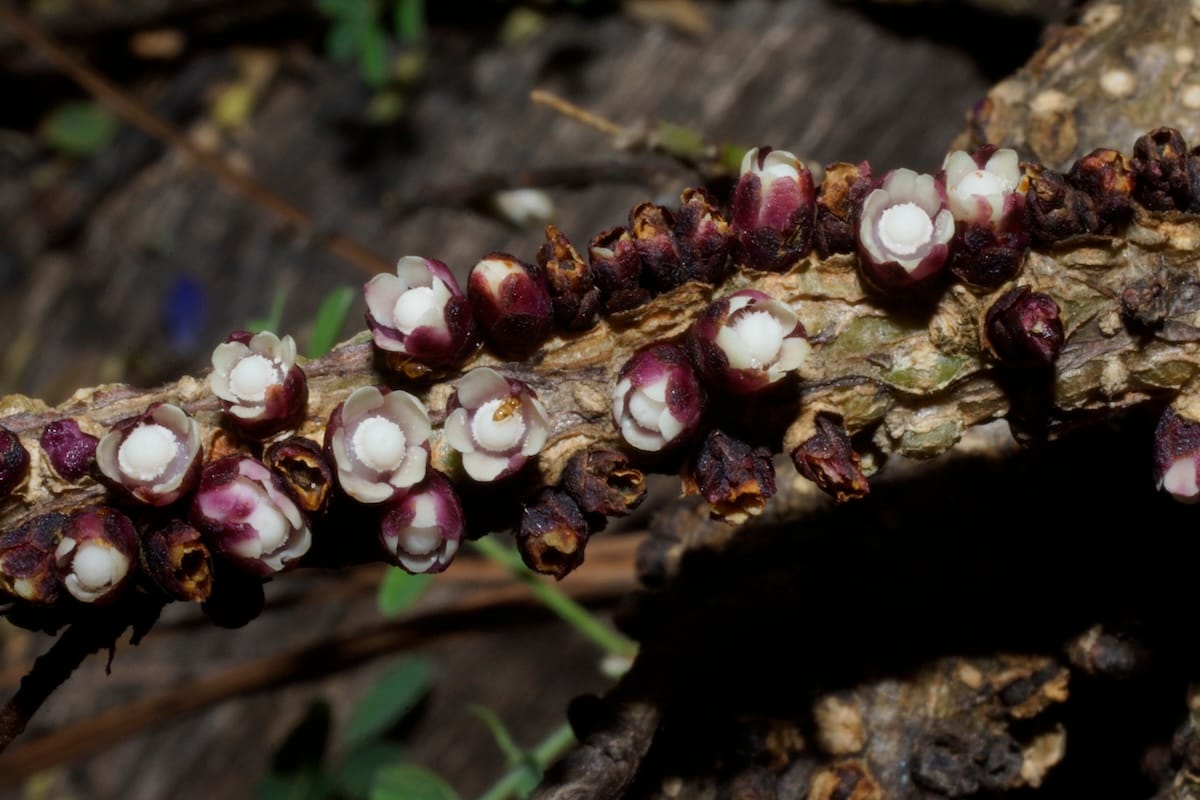
Lately, I’ve been particularly fascinated by parasitic plant. They truly challenge our understanding of what a plant can be. Some species maintain a complete vegetative body but have lost their ovules entirely, raising the fascinating question of how they still form functional gametophytes. Others have gone to the opposite extreme, reducing their vegetative structures to almost nothing (no recognizable shoots, roots, or leaves) yet retaining perfectly functional flowers and fruits. The genetic changes underlying these transformations must be extraordinary. To me, these plants represent some of the most intriguing and underexplored examples of evolutionary innovation in the plant kingdom.
Could you share an experience or anecdote from your work that has marked your career and reaffirmed your fascination with plants?
In our recent work, we’ve found that some complete parasites, or endoholoparasites, can hijack flowering signals from their hosts but ultimately rely on their own genetic pathways to form reproductive structures. I am honestly still processing that as I prepare the articles for publication!
What advice would you give young scientists considering a career in plant biology?
Don’t let anything stand between you and your genuine love for plants. Yes, some experiments will be challenging. You’ll spend countless hours standardizing protocols, and things often won’t work the first, or even the second, time. But that’s part of the process. Remember that you’re exploring questions no one has answered before, and that’s what makes it worth it. So even when it’s difficult, keep going, because discovery in plant biology is as rewarding as it is unpredictable.

What do people usually get wrong about plants?
One of the most common misconceptions about plants is that they all perform photosynthesis. In fact, some don’t, and have evolved alternative ways to survive. Certain species attach themselves to other plants, penetrating their tissues to extract water and nutrients. In doing so, the two plants can even exchange not just resources, but genes and other molecules. There’s so much more to plants than just green leaves, they’ve evolved an incredible diversity of lifestyles that continue to surprise us.
Carlos A. Ordóñez-Parra
Carlos (he/him) is a Colombian seed ecologist currently doing his PhD at Universidade Federal de Minas Gerais (Belo Horizonte, Brazil) and working as a Science Editor at Botany One and a Communications Officer at the International Society for Seed Science. You can follow him on BlueSky at @caordonezparra.