

Plants are incredibly diverse, and so are botanists! In its mission to spread fascinating stories about the plant world, Botany One also introduces you to the scientists behind these great stories.
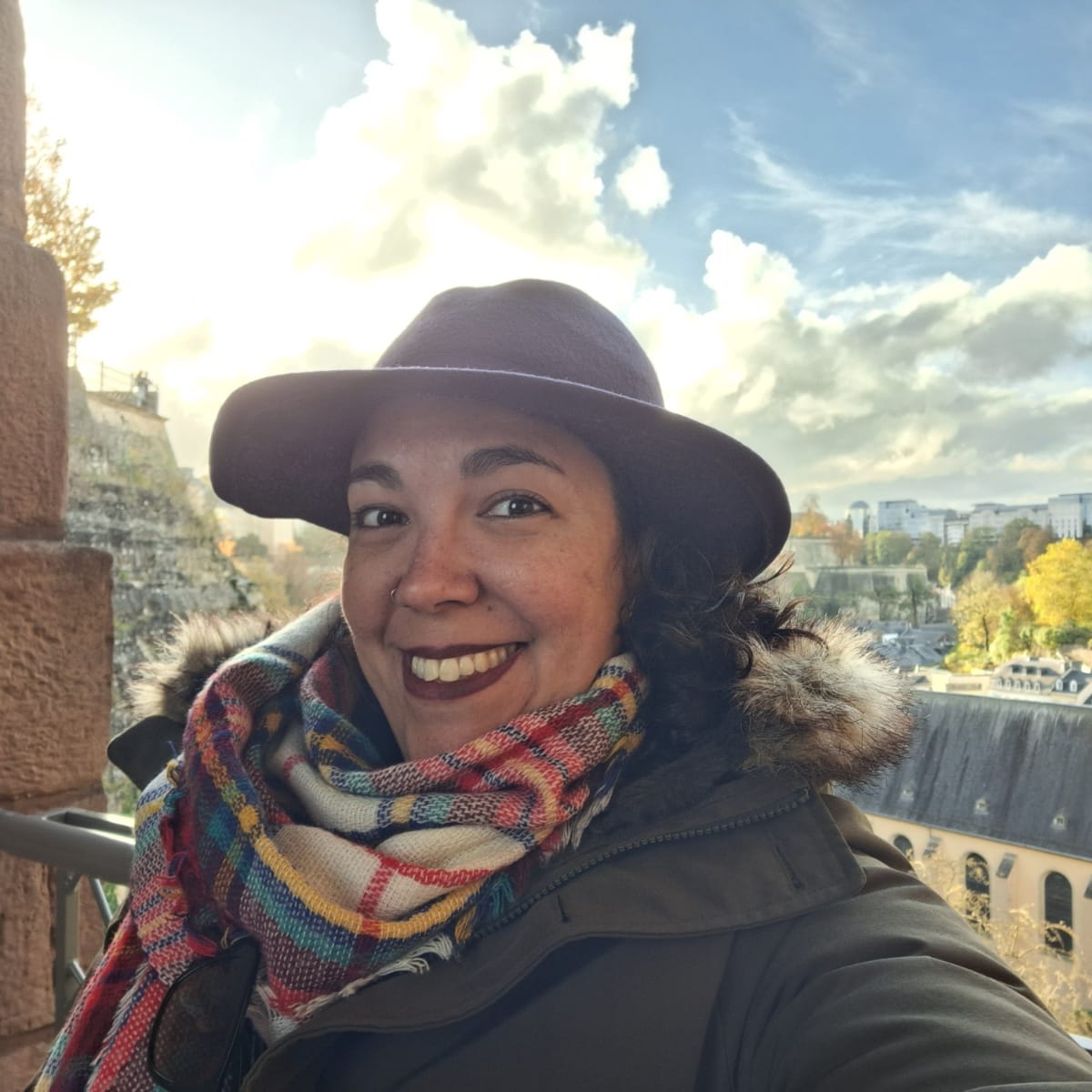
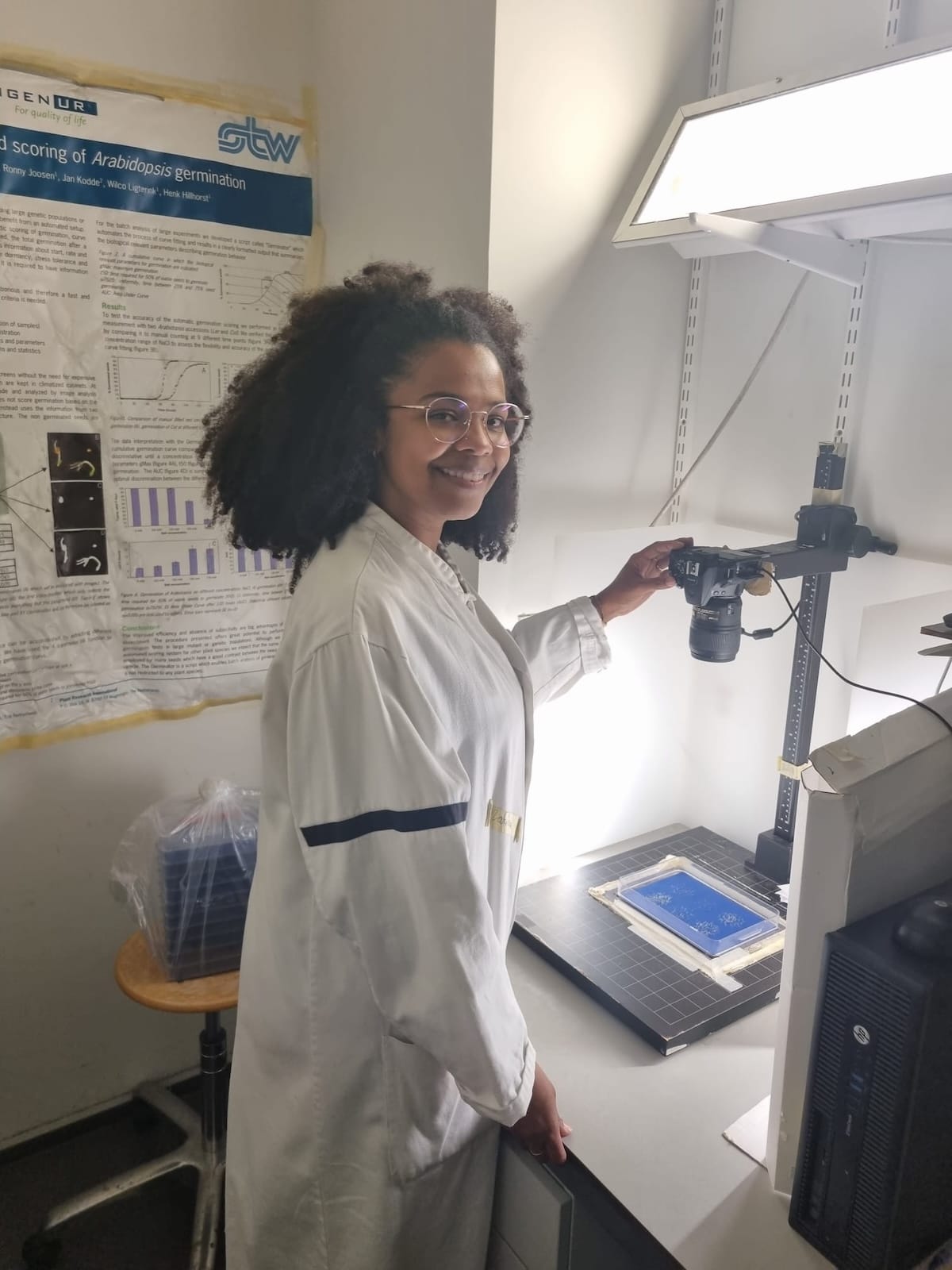
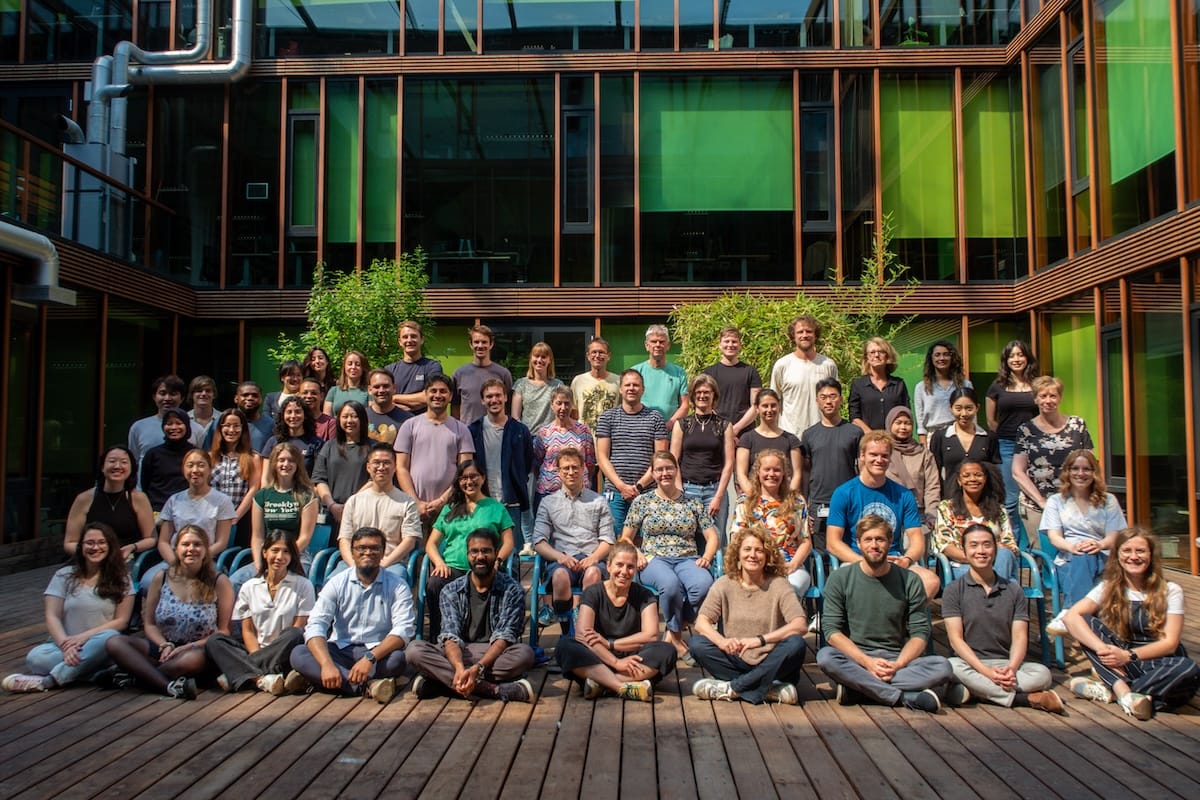
Today we have Dr Mariana Silva Artur, an Assistant Professor at the Laboratory of Plant Physiology at Wageningen University & Research (WUR). Artur’s group focuses on the physiological, molecular, and evolutionary mechanisms underlying resilience to extreme stresses—particularly desiccation and high temperatures—using seeds as our primary model system. Her group aims to translate their findings into practical applications, such as enhancing crop resilience by improving seed storage and quality. Artur is originally from Minas Gerais, Brazil, and moved to the Netherlands in 2014 to pursue a PhD in the same group she currently works on. After completing postdoctoral research at Utrecht University (2018–2020) and at WUR (2020–2023), she began her current role at the end of 2023. To learn more about her research group, you can visit her website.
What made you become interested in plants?
I did my BSc in Biology at my hometown university, the Federal University of Lavras in Brazil. In the second semester, I took a course on plant histology and anatomy, and I’ll never forget the moment I saw chloroplasts “dancing” inside leaf cells under the microscope, a movement I later learned was caused by cytoplasmic streaming, or cyclosis. It was the first time I truly felt how alive plants are, and I was instantly fascinated by exploring the plant world at the microscopic level. That same course blew my mind again when I saw the elaborated structures of pollen and microalgae. Before that, I simply loved flowers, but as my degree progressed, I chose more courses in plant sciences and became completely intrigued by the complexity and beauty of plants.
What motivated you to pursue your current area of research?
During my BSc, I took part in several hands-on research activities, including a project on seed germination of native Brazilian species. I truly enjoyed the work and became eager to learn more about seed physiology. This led me to pursue an MSc in Plant Physiology at my hometown university, where I had the freedom to design my own project. Naturally, I chose to study seeds, focusing on the physiological and anatomical changes involved in the loss of desiccation tolerance during germination. As I learned more about the ecological, evolutionary, and economic significance of seeds, I became fascinated by the complexity of desiccation tolerance and the remarkable molecular mechanisms behind it. That curiosity became a driving force that motivated me to move abroad and pursue a PhD at Wageningen University & Research. During my PhD, I gained a deeper understanding of the evolutionary and molecular mechanisms underlying desiccation tolerance in seeds and resurrection plants. Looking back, most steps in my career have been shaped by my curiosity and passion to explore seed desiccation tolerance at both physiological and molecular levels.
What is your favourite part of your work related to plants?
What excites me most is that there’s always something new to discover. In my current work, we are exploring how seeds respond to drying or high temperatures during maturation, which are areas still full of unknowns. Each new finding motivates me to keep going. Knowing that our discoveries could also have real-world applications adds meaning to the work. I feel a strong sense of responsibility in studying plants, and that connection between scientific curiosity and societal impact brings me both personal and professional fulfilment.
Are any specific plants or species that have intrigued or inspired your research? If so, what are they and why?
Seeds have always fascinated me because of their remarkable ability to survive without water. Since water is essential for life at the cellular level, I’ve long wondered why and how some plant species expose their “babies” (embryos) to such extreme stress. Similarly, resurrection plants can survive losing almost all the water in their cells, a trait which is key to their survival in harsh environments. What amazes me is how seeds and resurrection plants, so different structurally, share this incredible ability to withstand desiccation. Seeds and resurrection plants continue to inspire my work. Understanding this mystery of desiccation survival drives me to explore the fascinating strategies plants use to survive and thrive under extreme conditions.
Could you share an experience or anecdote from your work that has marked your career and reaffirmed your fascination with plants?
When I move from Brazil to the Netherlands, my goal was clear: I wanted to work with seeds. So when my PhD supervisor assigned me to a project on desiccation tolerance in resurrection plants instead, I was thrown off. He would tease me during some lab meetings saying “You’re not working with seeds!”, and that would struck a nerve (!). Seeds were the reason I came to the Netherlands, and I was deeply passionate (maybe even obsessed!) about them. Determined, I managed to include a chapter on seed physiology in my thesis, and that chapter was actually the inspiration for me to write my first personal grant which was the foundation of my current research line. Looking back, I could find a lot of joy in my work with resurrection plants, and I am thankful for being challenged. That experience pushed me to think beyond my comfort zone. It taught me that stepping into something unexpected can actually broaden your perspective and strengthen you as a scientist.
What advice would you give young scientists considering a career in plant biology?
Stay curious and open-minded. It’s important to be passionate about what you do, but being flexible with your research goals can help you grow and find fulfilment in the researcher you are becoming. Also, be strategic with your choices, and surround yourself with people who inspire you, those who are genuinely passionate about their work and whom you can trust for honest, thoughtful advice on your career.
What do people usually get wrong about plants?
I often hear people say that plants are boring, and I always wish I had a pocket-sized microscope to show them just how fascinating a single plant leaf cell can be! Jokes aside, I believe it is part of our responsibility as scientists to communicate how important plants are, for example their vital role in the functioning of ecosystems and as the basis of our food systems. I think we also need to help inspire the next generation of plant scientists by sharing the wonder and importance of plant biology beyond our specific research fields.
Carlos A. Ordóñez-Parra
Carlos (he/him) is a Colombian seed ecologist currently doing his PhD at Universidade Federal de Minas Gerais (Belo Horizonte, Brazil) and working as a Science Editor at Botany One and a Communications Officer at the International Society for Seed Science. You can follow him on BlueSky at @caordonezparra.