


Guterres-Pazin and colleagues discovered that Amazonian manatees act as important seed dispersers in Amazon floodplains. This finding elevates the ecological significance of these gentle giants and underscores the need for their conservation.
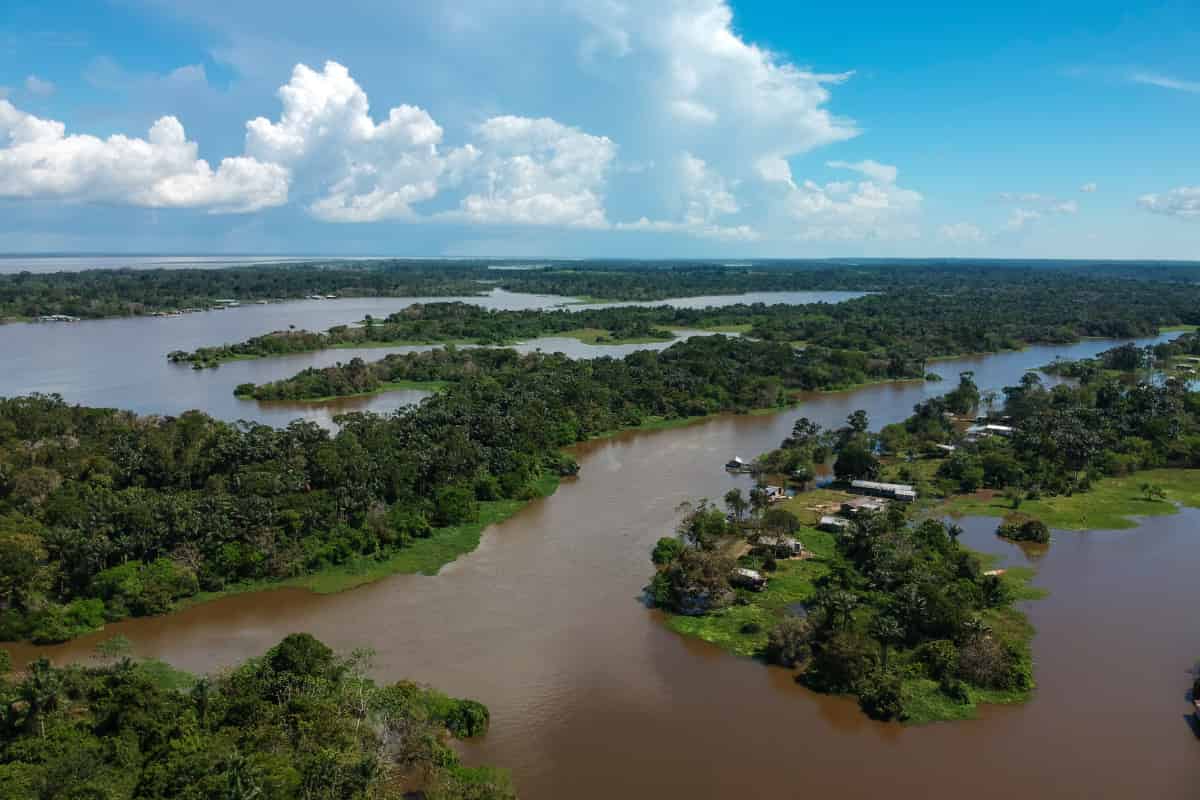
The researchers analyzed 96 manatee faecal samples collected from Lake Amanã during an extreme drought in October 2023. They found viable seeds and even seedlings of various aquatic plants in the samples. The most common species was Luziola spruceana, a grass that grows rapidly during low water periods.
To determine seed viability, the team used a special dye test. They also observed seedlings growing directly from the faecal matter. This proves that manatees can transport seeds over long distances during their seasonal migrations, helping plants colonize new areas.
The study builds on previous research about manatee diets and migration patterns. It reveals a new ecological role for these animals, showing they contribute to plant diversity and ecosystem health in ways we didn’t fully understand before.
The synchronization of herbaceous plant fruiting and the migratory behavior of the manatee with the flood pulse facilitates seed dispersal across diverse Amazonian environments. Thus, beyond their recognized roles in fertilizing water and soil and stimulating plant productivity, Amazonian manatees significantly contribute to the maintenance and genetic diversity of aquatic plants.
Gil Guterres-Pazin, M., Lopes, A., Pazin, V.F.V., Garcia de Santana, D., Marmontel, M., Fernandez Piedade, M.T. (2024). A giant gardener of the Floodplains: The Amazonian manatee. Journal for Nature Conservation, 126708. https://doi.org/10.1016/j.jnc.2024.126708 ($)