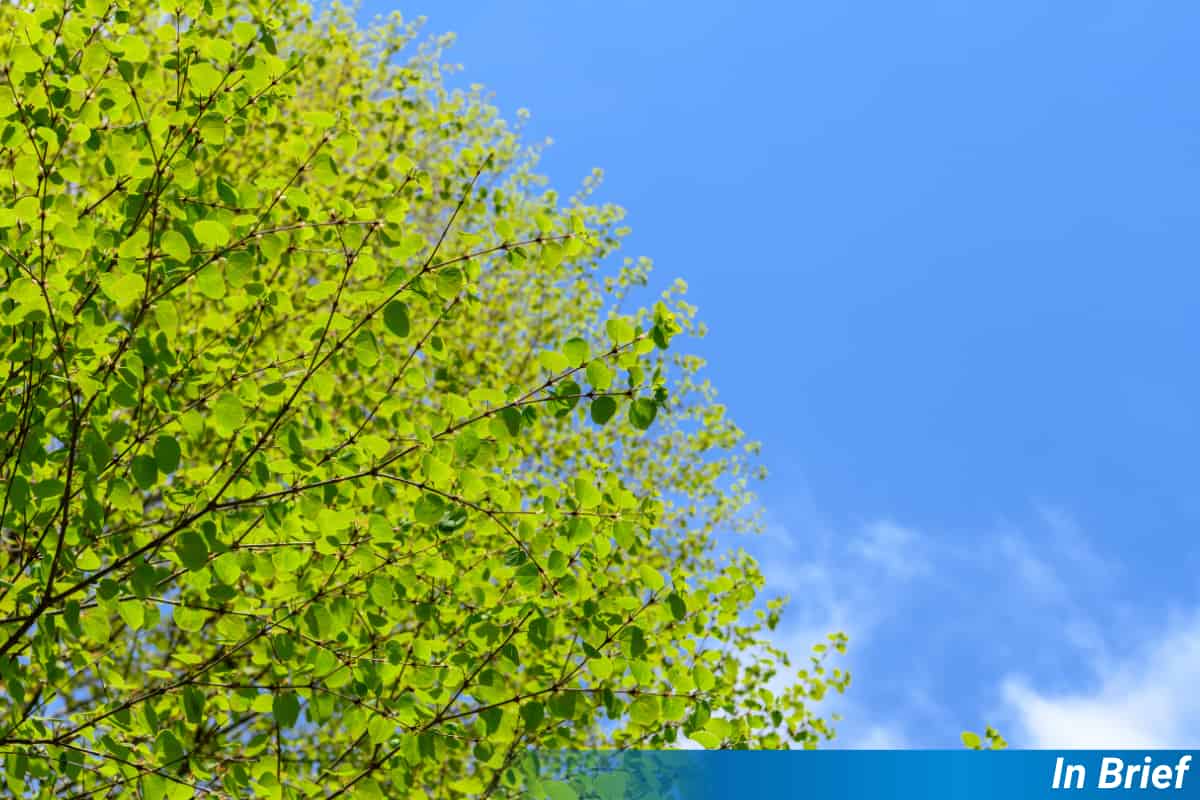



What makes a host tree more attractive to epiphytes, plants that grow on other plants. A study of Katsura trees in Japan by Komada and colleagues says it’s size. They expected bigger trees to hold more species, but they also found that the proportion of accidental epiphytes increased as the trees got bigger. The result helps explain how forest structures can help support plant diversity.
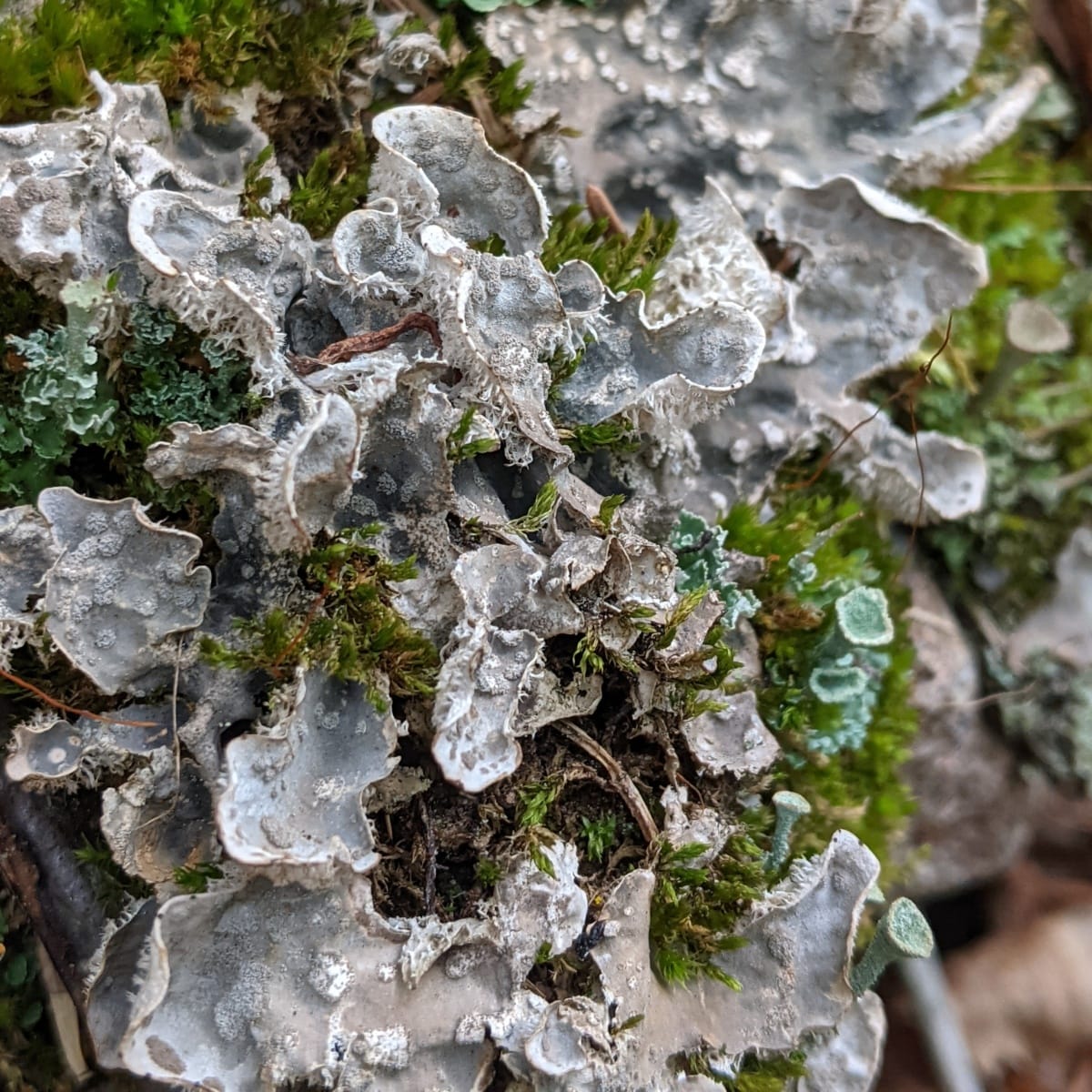
The team found that nearly 80% of plants were accidental epiphytes, plants that could be found growing on the ground. The botanists were interested to know what features made a host tree a suitable home for such a plant. Usually, the answer was moss. Over 80% of plants used moss as the substrate for their roots, but some plants required arboreal soil.
The survey was the result of analysing 8 Cercidiphyllum japonicum trees at the study site. Komada and colleagues identified the species of each of the epiphytes they identified growing on the host tree. They also recorded the substrate at the rooting points. They then statistically analysed the relationships between tree size and epiphyte communities.
The survey is interesting as this is all done in a temperate forest. The authors note that most epiphyte studies are based in tropical forests. This may contribute to large numbers of accidental epiphytes. The larger trees, with complicated body plans, also offer a wide range of environmental conditions, suggesting that old trees could play remarkable roles in guarding biodiversity in temperate forests.
Komada, N., Azuma, W.A., Ogawa, Y. et al. 2024. Effects of host size and substrate types on the distribution of accidental and obligate epiphytes: a case study in a temperate forest of Japan. Plant Ecology. https://doi.org/10.1007/s11258-024-01460-3 (OA)