

Plants are incredibly diverse, and so are botanists! In its mission to spread fascinating stories about the plant world, Botany One also introduces you to the scientists behind these great stories.
Today, we have Dr Jerónimo Vázquez-Ramírez, a Mexican plant ecologist and conservation biologist focused on the ecology of cold and temperate ecosystems, plant regeneration (mostly through seeds and seedlings), and the conservation of threatened species. His recent work combines experiments and plant functional traits to understand how alpine plants respond to ongoing climate change. Throughout her career, Vázquez-Ramírez has been able to work in biologically and culturally diverse regions such as Mexico, Central America, Australia, and the Arctic.
He is interested in working in the interface between ecological research and real-world challenges, with the broader goal of supporting ecological restoration and community-led conservation. As a result, he is involved in conservation practice, having developed and implemented on-the-ground projects with NGOs in tropical mountain regions of Mexico and Central America.
Currently, Vázquez-Ramírez is a Marie Skłodowska-Curie Postdoctoral Fellow at the University of Copenhagen, where he investigates how climate change is affecting Arctic plant regeneration from seed. Readers can explore more about my work at www.jeronimovazquez.com.
What made you become interested in plants?
Two key periods in my life influenced my decision to become a plant scientist. The first was simply growing up outdoors. I grew up outside Mexico City, where my home was surrounded by a mosaic of milpa fields (a traditional agricultural system involving the cultivation of maize, beans, pumpkins and other crops in the same space), grasslands and patches of pine–oak forest. Climbing trees, eating capulines (the fruit of Prunus capuli) and learning to avoid nettles (Urtica dioica) were all part of my everyday childhood adventures. These early experiences with nature left a lasting impression on me. On rainy days when I couldn’t go outside, watching National Geographic and David Attenborough documentaries further cultivated my passion for plants.
The second key moment came during my undergraduate studies. Initially, I had a broad interest in biodiversity conservation. This changed when I met two botanists, Miguel Cházaro-Basáñez and Héctor Narave-Flores. Through their lectures and plant-hunting excursions, they inspired me to pursue plant science. Their passion, mentorship, and generosity in sharing their knowledge were a major influence and ultimately paved the way for my career in this field.
What motivated you to pursue your current area of research?
My interest in plant regeneration emerged later in my career while I was working for Pronatura Veracruz, a conservation NGO. At the time, I was managing ecological restoration projects in temperate and cold mountain of east Mexico, where project success often depended on whether new plants could successfully establish in degraded areas.
Collecting seeds, learning how to germinate them and break dormancy, growing seedlings in nurseries, and tracking seedling survival across species and sites made me start asking deeper questions about why some plants establish while others fail. This growing curiosity about plant regeneration ultimately influenced my decision to pursue this topic through scientific research.
What began as a practical conservation challenge has evolved into the central scientific question that continues to guide my research today: why do plants grow where they do? Why do some species successfully regenerate while others fail? And what controls plant regeneration in a rapidly changing world?
What is your favourite part of your work related to plants?
That’s a difficult question, because I genuinely enjoy my work and feel lucky to do what I do. But if I had to choose one, it would be fieldwork. Being outdoors, observing plants in their natural environments, and experiencing firsthand the environmental conditions they are exposed to is incredibly rewarding. Every time I return from a field campaign, I come back with new questions and research ideas. Fieldwork is what sparks my curiosity and keeps my enthusiasm for science alive.
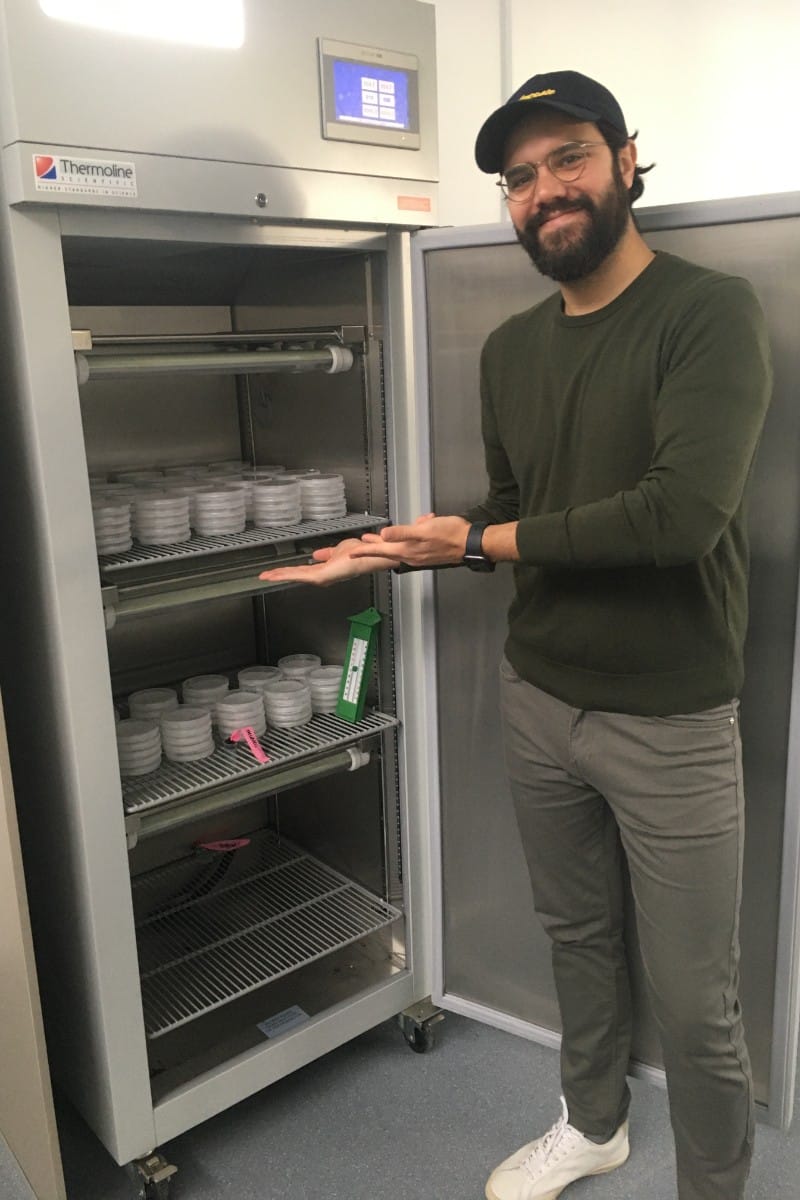
That said, more recently, due to the nature of my research, I’ve also grown to appreciate laboratory work. I’ve learned that even large germination experiments, which can initially seem overwhelming with thousands of seeds and Petri dishes and feel repetitive (mostly counting seeds), can be surprisingly enjoyable while listening to a good podcast or chatting with colleagues.
Are any specific plants or species that have intrigued or inspired your research? If so, what are they and why?
For some reason, conifers have always attracted me. This might be because I grew up surrounded by pines (Pinus montezumae and P. pseudostrobus) and cypresses (Cupressus lusitanica), or because, as a child, I was amazed by “El Árbol del Tule”, a Taxodium mucronatum individual in southern Mexico that is famous for having one of the largest trunk circumferences in the world (around 42 meters!).
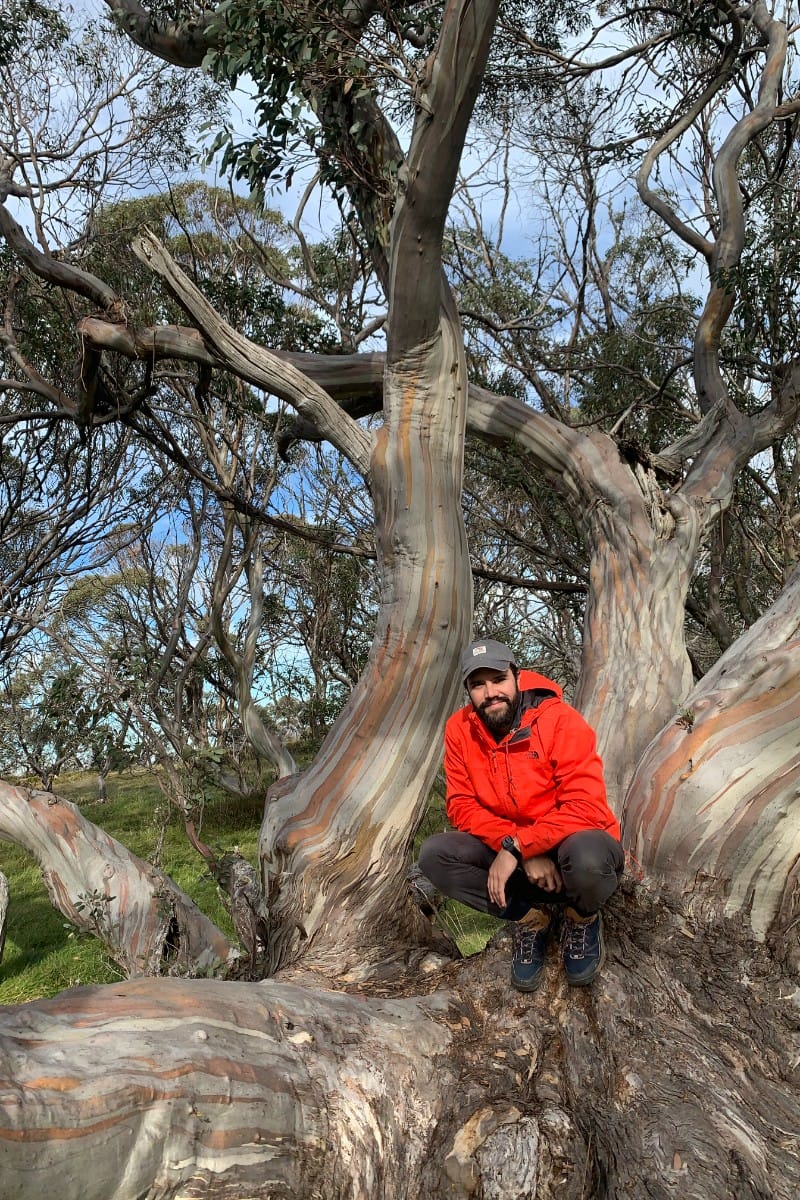
Later in my career, this interest deepened through my work on high-altitude pine forest restoration (Pinus hartwegii), the conservation of endangered conifers such as the Mexican yew (Taxus globosa) and Hickel’s fir (Abies hickelii), and studying the regeneration of the beautiful mountain plum-pine (Podocarpus lawrencei) in the Australian Alps.
Conifers may not be the most fashionable plants, but their evolutionary history and ecological importance in the places I have worked make them particularly compelling study systems. And, admittedly, I also enjoy pine nuts.
Could you share an experience or anecdote from your work that has marked your career and reaffirmed your fascination with plants?
I have many stories like this, one of the perks of loving fieldwork and being easily impressed by plants. I could mention witnessing a massive bamboo (Olmeca recta) flowering event in the jungles of Mexico, finding Aboriginal rock art in the Australian outback while searching for native Sorghum, or joining expeditions where species new to science were discovered. Those are objectively cool.
But the moment that truly convinced me I might belong in plant science happened during my undergraduate thesis fieldwork. I recorded Sedum minimum, a small stonecrop, in the alpine grasslands of Cofre de Perote Mtn. as a new species record for Veracruz State and eastern Mexico. I remember thinking, this looks unusual, keying it out, showing it to experts, and realising I had found something new for the region. It felt like a small but deeply satisfying personal milestone.
You might argue that it is just a tiny plant found in a few other places, but it gave me a real confidence boost. After all, Humboldt and several other renowned botanists had visited that same site and missed it… and I didn’t. Sometimes botany is about discovering new species, and sometimes it is about noticing the small plants everyone else walked past.
What advice would you give young scientists considering a career in plant biology?
There are two things I would like to point out. Firstly, science is both a career and a community. Find mentors who can help you grow in a positive environment. Be generous with your collaborators and surround yourself with colleagues who are supportive and encourage your professional grow.
Secondly, remember that plant biology is not just about academia/universities. Careers in NGOs, the public sector, or industry can be just as meaningful and rewarding. Some of the work that has given me the greatest personal satisfaction has involved collaborating with local communities on hands-on projects while working for NGOs. If you choose an academic career, don't worry if your path is non-linear. A scientific career does not have to follow a strict sequence from undergraduate studies to faculty positions. Staying flexible and following what genuinely interests you can lead to a more fulfilling and rewarding career.
What do people usually get wrong about plants?
Many people think that seeds only need water to germinate, as if you could simply bury a seed and a plant would immediately grow. However, seeds are more sophisticated than that. They respond to environmental signals such as temperature, light, winter chilling, moisture pulses, smoke or fire cues, soil chemistry and even signals from microbes or animals.
Seeds essentially 'wait' for the right combination of conditions to ensure that they do not germinate at the wrong time, when seedlings would be unlikely to survive. This makes plant regeneration far more complex and interesting than it might seem.
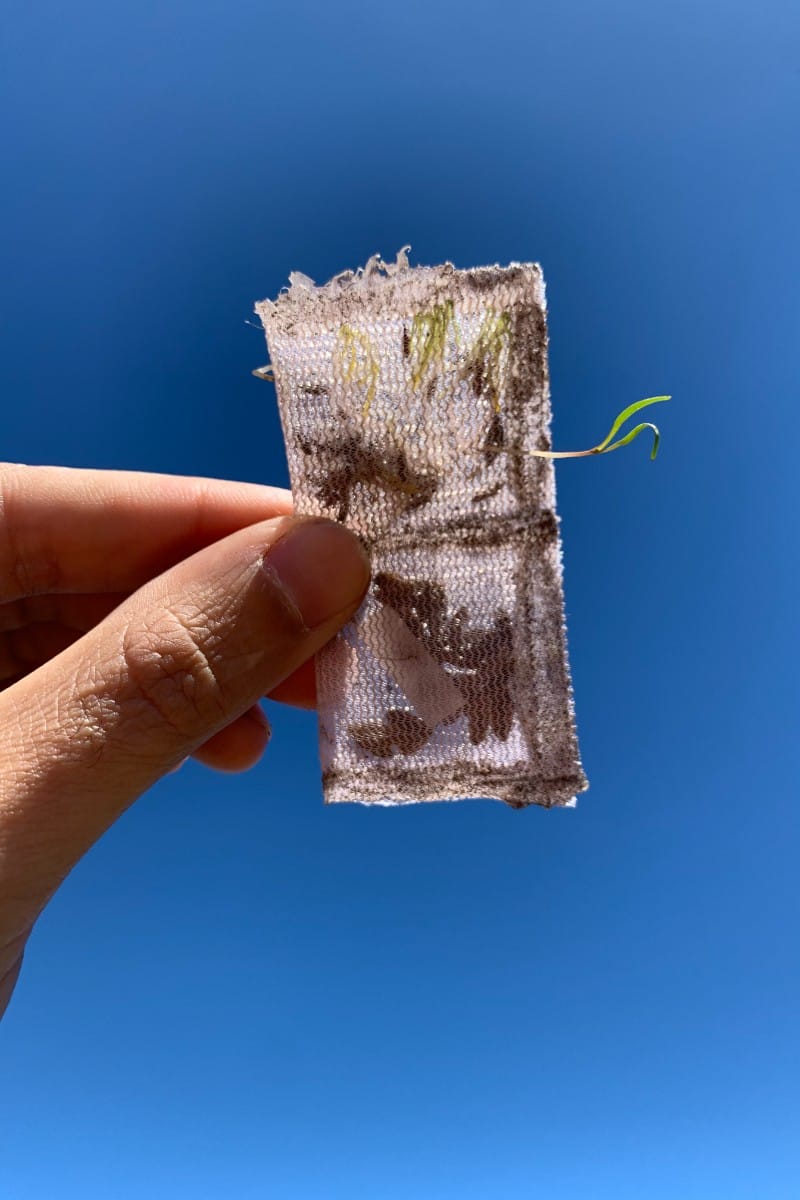
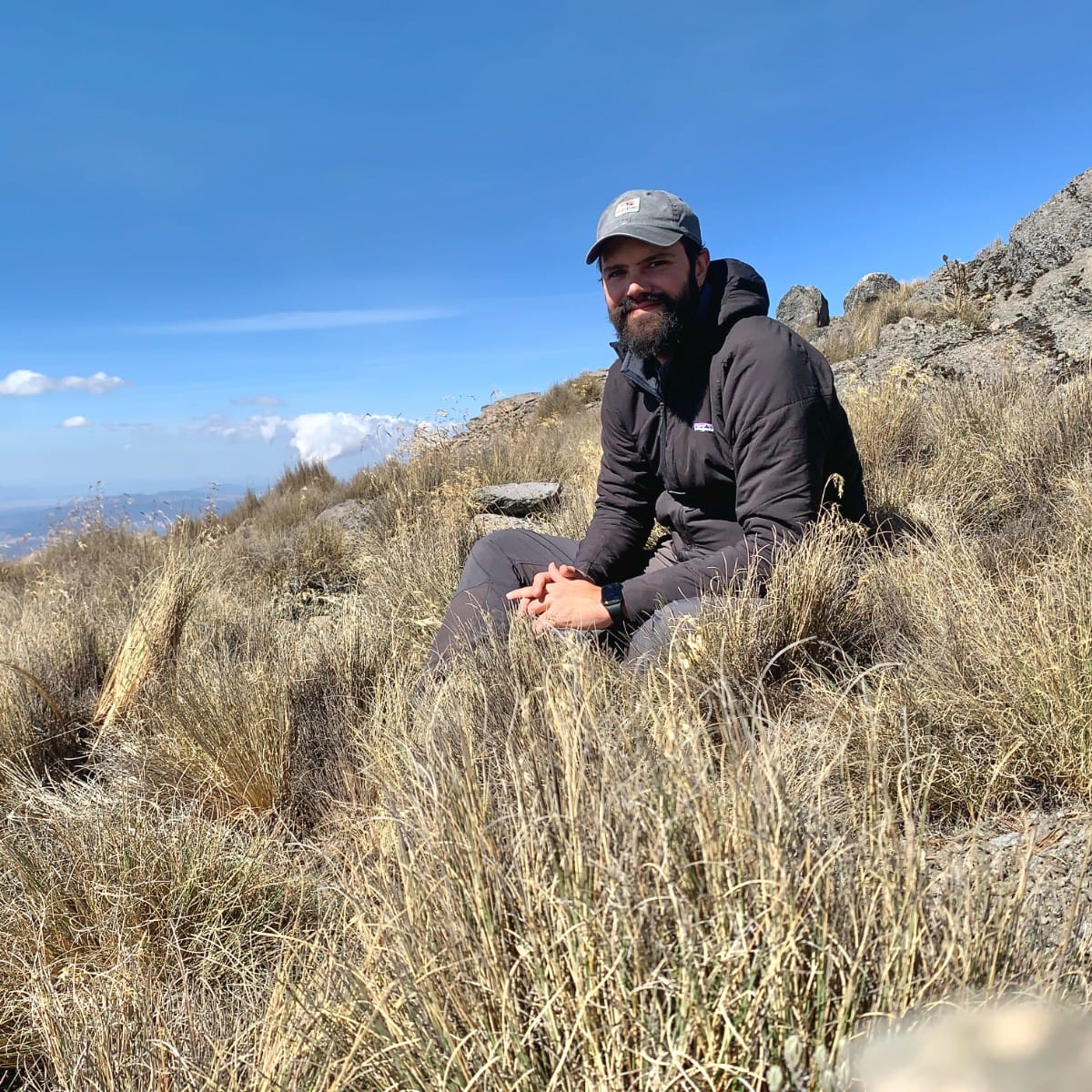
Cover picture: Vázquez-Ramírez during fieldwork in a high-mountain site in Mexico. Photo by Jerónimo Vázquez-Ramírez.