

This week, more than 3000 plant scientists from around the world arrived in Madrid to participate in the twentieth edition of the International Botanical Congress (IBC) – a scientific meeting that takes place every 6 years (since 1900!) in a different location around the globe and has the authority to modify the International Code of Nomenclature for algae, fungi, and plants.
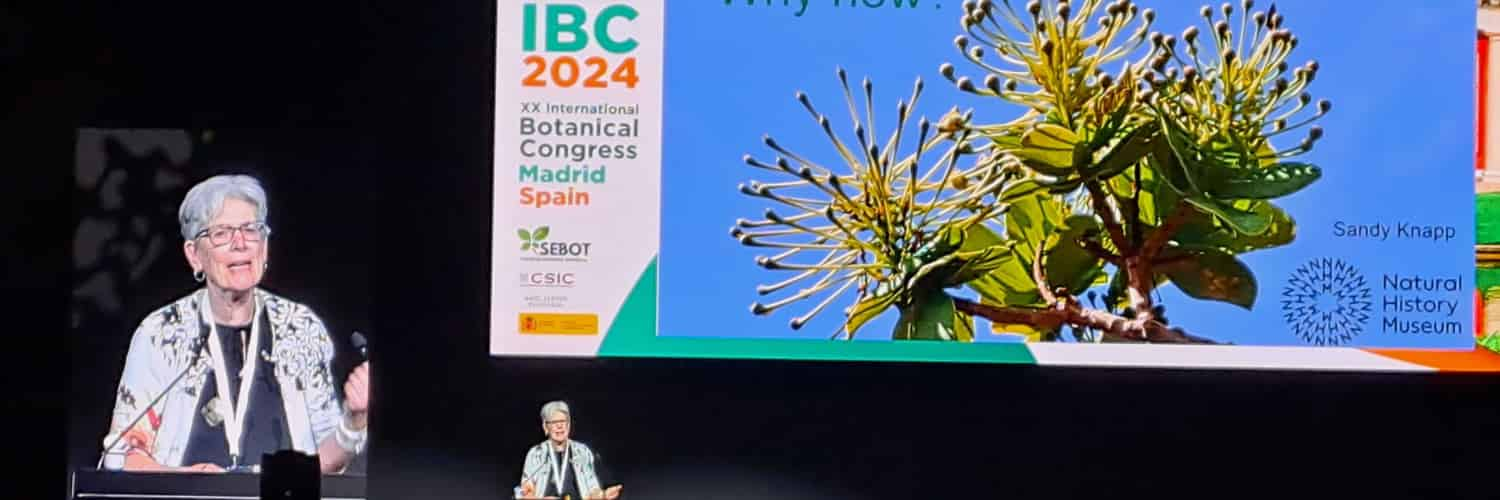
IBC2024 kicked off on Sunday 21st of July with an opening lecture by botanist Sandra Knapp.
Originally from the US, where she got her PhD at Cornell University, she later moved to the UK to start the big project Flora Mesoamericana – an inventory of Central American plants. Since then, she has been investigating several botanical species (mainly belonging to the Solanaceae family) and has become a world-renowned expert in the taxonomy and evolution of the Solanum genus – which includes important plants such as tomatoes (Solanum lycopersicum), potatoes (Solanum tuberosum), and eggplants (Solanum melongena). Over time, she created synergies with experts in phylogenetics and phylogenomics to shed new light on the evolution of Solanaceae by incorporating new molecular data obtained through Next Generation Sequencing.
Why Botany?
In her talk, Sandra Knapp highlighted the crucial role of plants in our unique green & blue planet: it is estimated that more than 80% of the biomass in Carbon comes from plants!
The fact that “climate change”, “crops”, and “food” are the words that are mentioned the most in recently published research articles further corroborates the relevance of edible species for human life. She also emphasized the importance of biodiversity in crop cultivation by recalling the Great Famine that struck Ireland in the 1850s – largely caused by the dependence of the Irish people on a single crop (potato). Vulnerability to blight infection is further increased by the lack of genetic variability associated with the vegetative propagation of cultivars based on the asexual reproduction of genetically identical potato plants.
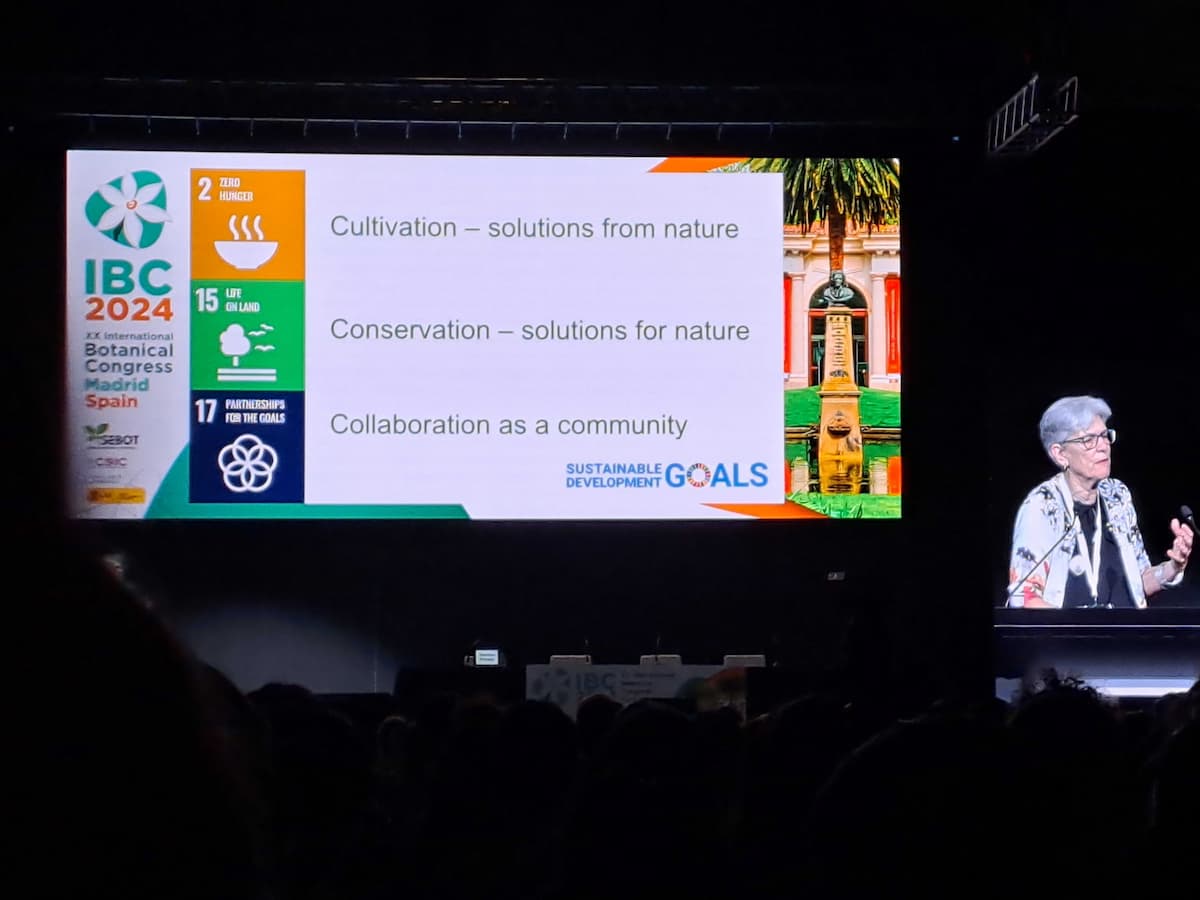
Beyond climate change, the talk focused on the 3 Cs: plant cultivation (crop genetic variation), environment conservation (biodiversity of wild species ), and collaboration as a community to achieve common Sustainable Development Goals.
Why now?
To counterbalance the huge number of threats menacing our fragile planet, Sandra Knapp presented some initiatives aimed at supporting plant conservation efforts all around the globe. Among others, the World Flora Online (an online catalogue containing information about almost 400´000 botanical species) encompasses all known biodiversity of the plant kingdom.
Sandra also mentioned the Urban Nature Movement: Since 75% of the human population lives in cities, the majority loses contact with plants on a daily basis … and it’s time to reverse this trend.
“Plants provide food, air, and beauty” she concluded.