
Since ancient times, humans all around the globe have used herbal remedies in traditional practices to maintain good health and treat pathological conditions. At IBC2024, Professor Nokwanda P. Makunga brought us through a journey to discover the richness of the native flora used by local people in South Africa and their incredible properties – revealed by using cutting-edge technologies.
Plants beyond air, food and beauty
For millennia, humans have used medicinal plants to treat physiological and psychological conditions in different parts of the world. Indeed, botanical species have always been an endless source of beneficial compounds to maintain human health. Still today, 25% of valuable molecules used in modern medicine have a plant origin.
Out of 400000 vascular plants growing on planet Earth, it is estimated that at least 35,000 species produce metabolites with possible therapeutic use, but this great potential is largely unexplored. Nevertheless, several research groups worldwide are characterizing bioactive compounds produced by known botanical species and identifying new plants as novel resources for drug discovery.
Ethnobotanical tradition in South Africa
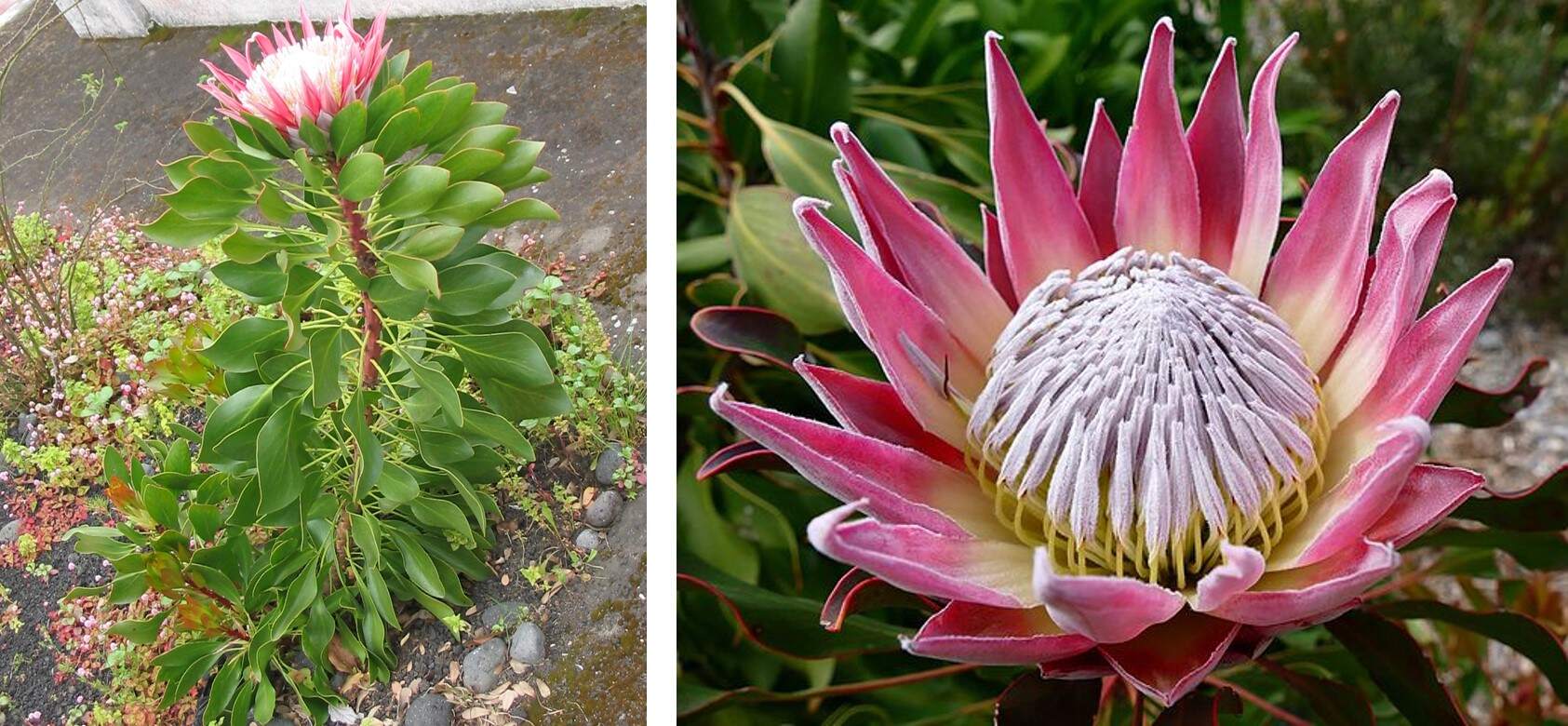
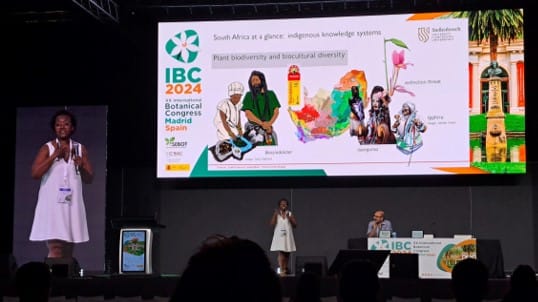
In her public lecture at the XX International Botanical Congress (IBC2024), Professor Nokwanda P. Makunga, expert in Ethnopharmacology and Phytochemistry at Department of Botany and Zoology at Stellenbsch University, explored the richness of the native flora growing in South Africa – a unique Mega-Biodiversity area in a non-tropical region characterised by botanical species well adapted to dried environments (Figure 1). Specifically, this area is home to 3 biodiversity hotspots: the cape floristic region (with 9000 species), the succulent Karoo (with 10000 species), and Maputaland (with 1900 specialized endemic species).

Interestingly, South Africa has a long history of knowledge sharing about medicinal plants; for example, the German botanist Karl Wilhelm Ludwig Pappe wrote the book “Floræ Capensis medicæ prodromus” about the herbal remedies used by local communities to cure sick sailors reaching the Cape of Good Hope from Europe in the XIX century. 200 years later, this country hosts an amazing multicultural diversity and boosts programs aimed at preserving traditional knowledge and practices.
Ethnobotanical research in South Africa
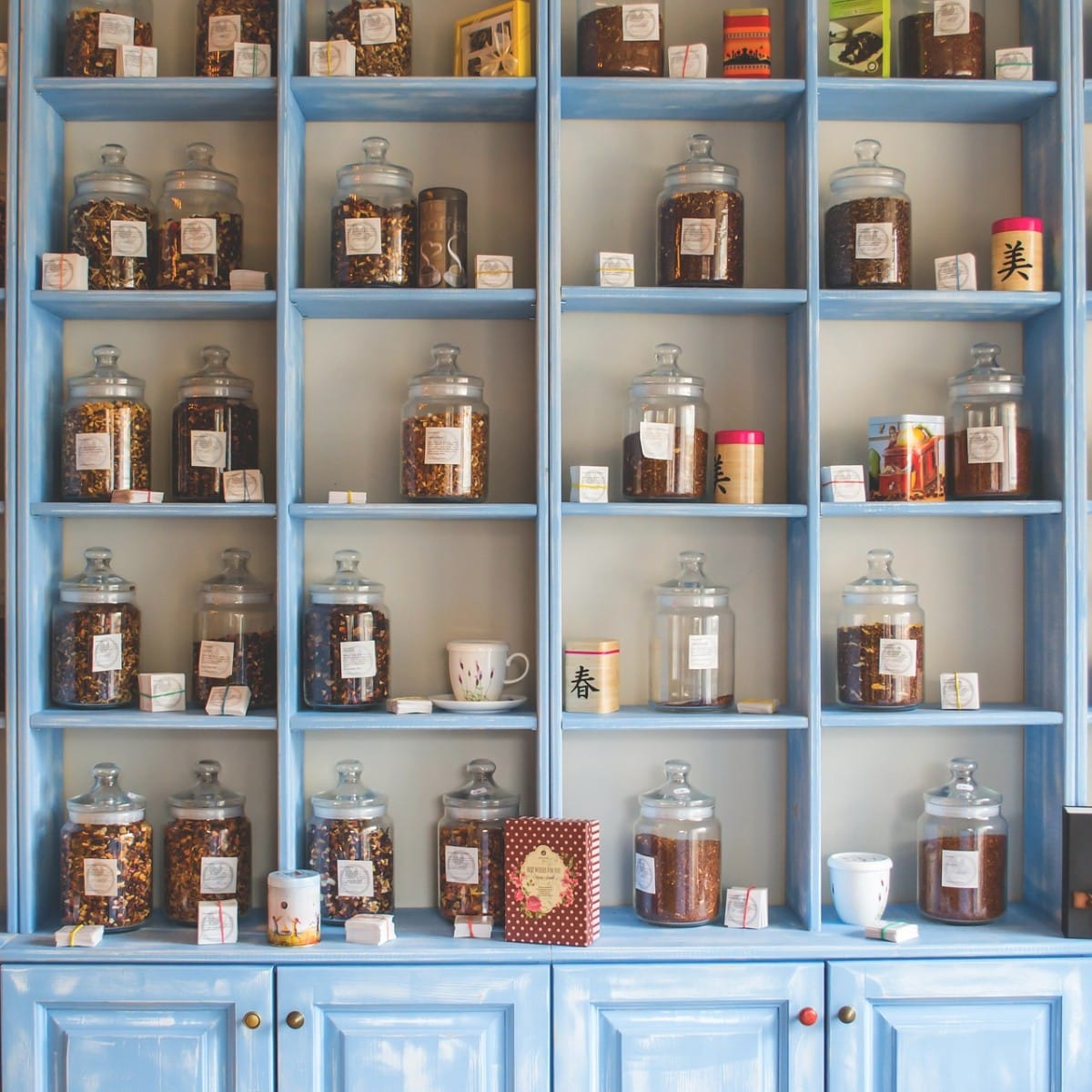
Traditional medicine represents a growing economy that involves a big number of collectors, traders, spiritual healers and final consumers. Although native plants represent potential new sources of biopharmaceuticals, their use in modern medicine is modestly recognised. However, interest in ethnobotanical research in Soth Africa has increased since the the end of Apartheid in the 1990s, and scientists have recently started to investigate some of the hundreds of native plants used by traditional practitioners.
South African researchers are currently trying to fill the knowledge gaps on native medicinal plants such as the lack of reference, quality standards, or complete chemical characterization. For instance, a project focuses on botanical remedies (which composition is not fully defined) employed by traditional healers to improve mental health conditions, (Figure 2).
Unlocking the ethnobotanical treasure of South Africa
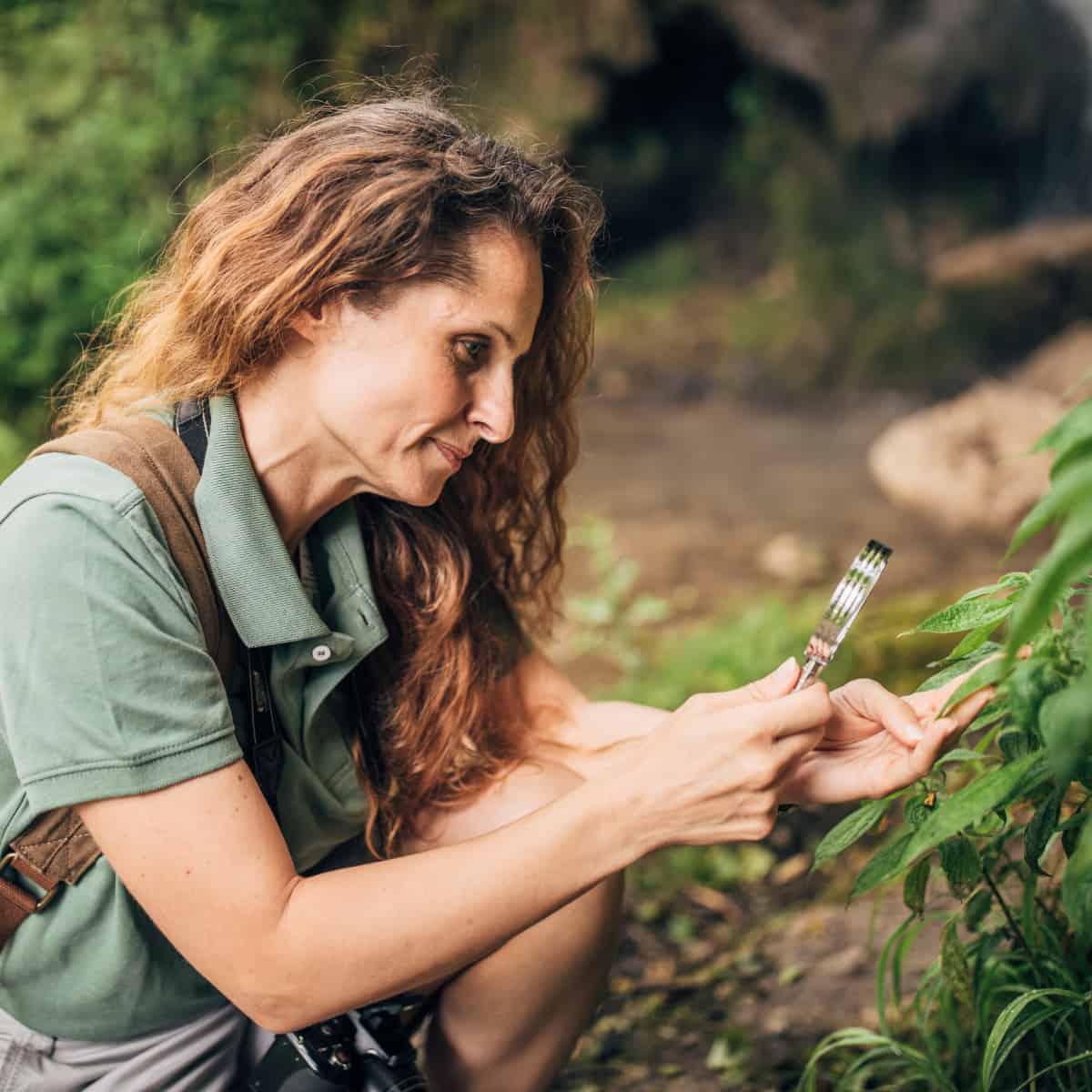
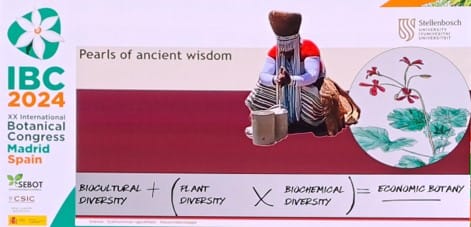
The Makunga lab employs multi-OMICS approaches (e.g., Genomics, Metabolomics) to carry out the molecular and biochemical characterization of several medicinal plant species of the greater Cape Floristic Region. First, researchers travel to rural areas to talk to traditional healers and collect samples for further analysis; back in the lab, team members work on the dissection of the regulatory mechanisms underlying the biosynthesis of secondary metabolites in medicinal herbs (Figure 3).
They also study how the production of molecules of interest varies depending not only on the plant haplotype or chemotype but also on the environmental conditions and stresses. For example, seasonal changes and day to night shifts might influence the accumulation of major and minor alkaloids since external factors affect primary and secondary metabolism.
For example, the Makunga lab discovered that chemotypes as well as UV stress influence the production of alkaloids in Sceletium tortuosum – a succulent plant (aka Kanna) of the Aizoceae family traditionally chewed to alleviate stomach pain in children. In fact, high elevation activates the biosynthetic pathway that leads to the accumulation of mesembrine – an alkaloid with biological activity on the central nervous system. In modern medicine, this molecule seems to be useful in the treatment of mental conditions including anxiety and depression.
In Kanna, the bioactive compounds are mainly produced in leaves but native people use the whole plant as herbal remedy. Intriguingly, further scientific experiments revealed that these molecules are synthesised in green aerial organs and then transported to different parts of the plants including roots!
Novel properties of African plants and their conservation
Among interesting plants growing in South Africa, she presented results of her research that shed new lights on the antifungal properties of Salvia aurea, novel anticancer activity of Dodonaea viscosa, and antioxidant-rich composition of Aspalathus linearis – the plant species used to prepare the delicious Rooibos tea.
Some of Makunga work has also exploited biotechnological applications for the conservation of plant biodiversity, such as the optimization of micropropagation method to fight against the threat of extinction for those medicinal plants traditionally used by native people, including Rooibos.
SUGGESTED READING
To know more about Sceletium genus and Mesembrine:
Mesembrine alkaloids: Review of their occurrence, chemistry, and pharmacology – ScienceDirect