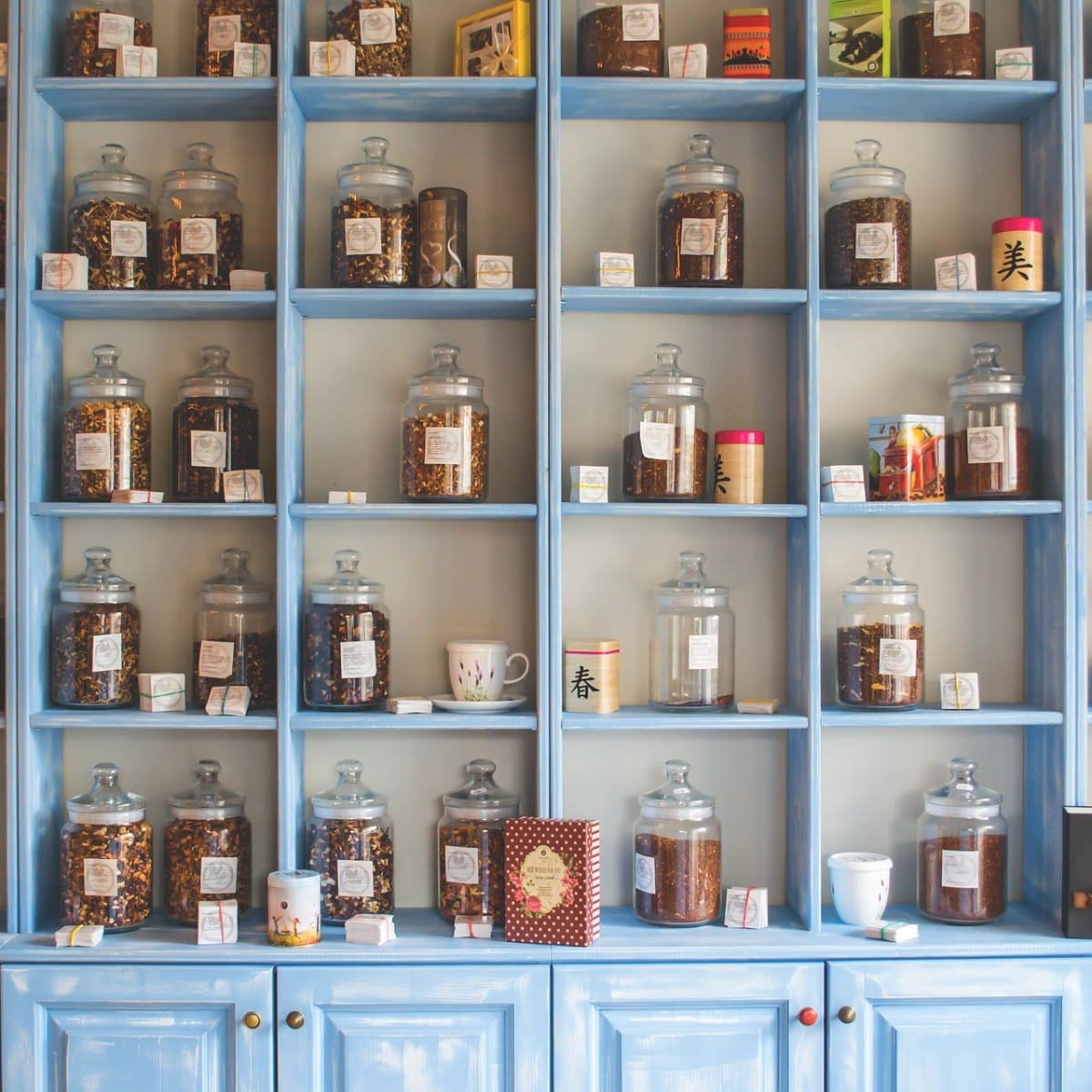

Since ancient times, people have turned to plants for relief from everyday ailments, from digestive troubles and headaches to allergies and anxiety. Herbal remedies may conjure images of grandmother’s gardens or dusty apothecaries, but plant-based medicine is far from a relic of the past. Today it underpins healthcare for millions of people worldwide and fuels a global industry worth hundreds of billions of dollars, supporting harvesters, farmers and traders across long supply chains. Databases such as Kew’s Medicinal Plant Names Service now list nearly 42,000 plant species used for medicinal purposes, revealing just how vast this botanical pharmacy has become.
Yet this booming trade also carries hidden risks for the plants themselves. Many medicinal species are harvested directly from the wild, and if they are collected faster than they can regenerate, populations can quietly decline or even disappear. At the same time, other pressures—including ecosystem degradation, climate change and invasive species—are reshaping the ecosystems where these plants grow. The result is a growing concern among scientists: the very plants we rely on for healing may themselves be under threat.
Evaluating how threatened these plants really are is, however, far from easy. Scientists estimate that hundreds of thousands of plant species exist, yet only a small fraction have been formally assessed for their risk of extinction by the International Union for Conservation of Nature (IUCN), the organisation that compiles the global Red List of threatened species. Previous global analyses suggest that only about one-fifth of documented medicinal plants have been evaluated, and a notable proportion of those are already considered at risk. This lack of information leaves traders, herbal practitioners and consumers little guidance on whether the plants they rely on are being harvested sustainably.
A recent paper by Isabella Flowers and colleagues examined the conservation status of 298 plant species sold online to UK medical herbalists. The researchers surveyed three major supplier websites and compiled a master list of every species sold, from dried roots to liquid extracts. Once they had a verified list, they compared each species with the IUCN Red List to determine whether it had been assessed and what threats it faced. They also checked the Convention on International Trade in Endangered Species (CITES), which regulates global trade in threatened wildlife, to see which plants are legally protected in international markets.
The first striking result is how little we actually know. Of the 298 species identified in UK herbal products, 203 have never been assessed for extinction risk, so we simply do not know whether they are safe or sliding towards extinction. Among the 95 that have been assessed, most are classified as Least Concern, meaning they are not currently considered at high risk. However, 13 species fall into categories from Near Threatened to Critically Endangered, including well-known names such as Ginkgo biloba (Endangered), Indian bdellium (Commiphora wightii, Critically Endangered) and goldenseal (Hydrastis canadensis, Vulnerable).
Looking more closely, the picture becomes less reassuring. Every species in the threatened categories had either declining populations or trends that are unknown. Even some plants labelled Least Concern show signs of regional decline. In conservation terms, that is a warning sign: today’s common species can become tomorrow’s concern.
When the team examined the causes, deliberate harvesting from the wild emerged as the single most frequent specific threat. But it was not the only one. Agriculture, invasive species, disease and climate change also feature prominently.
Global trade adds another layer of complexity. While some species, such as the dandelion (Taraxacum officinale) and the white deadnettle (Lamium album), are common in Britain, others, like the Devil’s Claw (Harpagophytum procumbens) and the pink trumpet tree (Handroanthus impetiginosus), depend entirely on international supply chains. Yet only seven species in the study are regulated by CITES, and just three of those overlap with species formally assessed as threatened.
Taken together, the findings suggest that today’s herbal marketplace is shadowed by uncertainty and may be drawing on a far wider pool of potentially at-risk plants than most customers realise. For practitioners and suppliers, this means sustainability cannot be taken for granted. Better assessments, greater transparency in supply chains and wider use of certification schemes could help ensure that healing plants do not become casualties of the biodiversity crisis. As demand for natural remedies grows, the challenge is not only recognising the value of these plants, but ensuring they remain available for generations to come.
READ THE ARTICLE:
Flowers I, Lovett JC, Hassall C. 2026. Conservation status of species used in the UK herbal medicine industry. Plants, People, Planet. https://doi.org/10.1002/ppp3.70154
Spanish and Portuguese translation by Erika Alejandra Chaves-Diaz.
Cover picture by Pexels (Pixabay).