

Plants are incredibly diverse, and so are botanists! In its mission to spread fascinating stories about the plant world, Botany One also introduces you to the scientists behind these great stories.
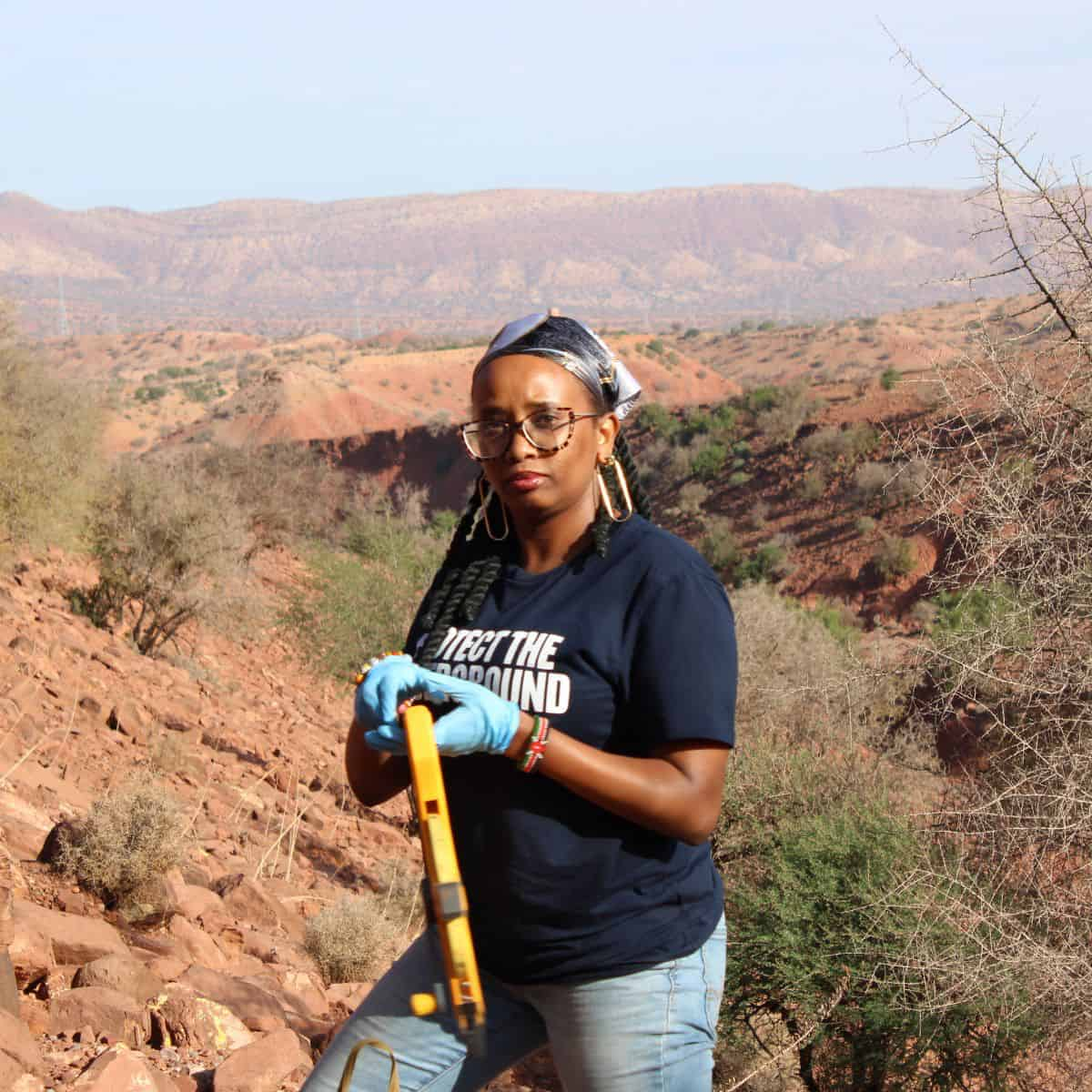
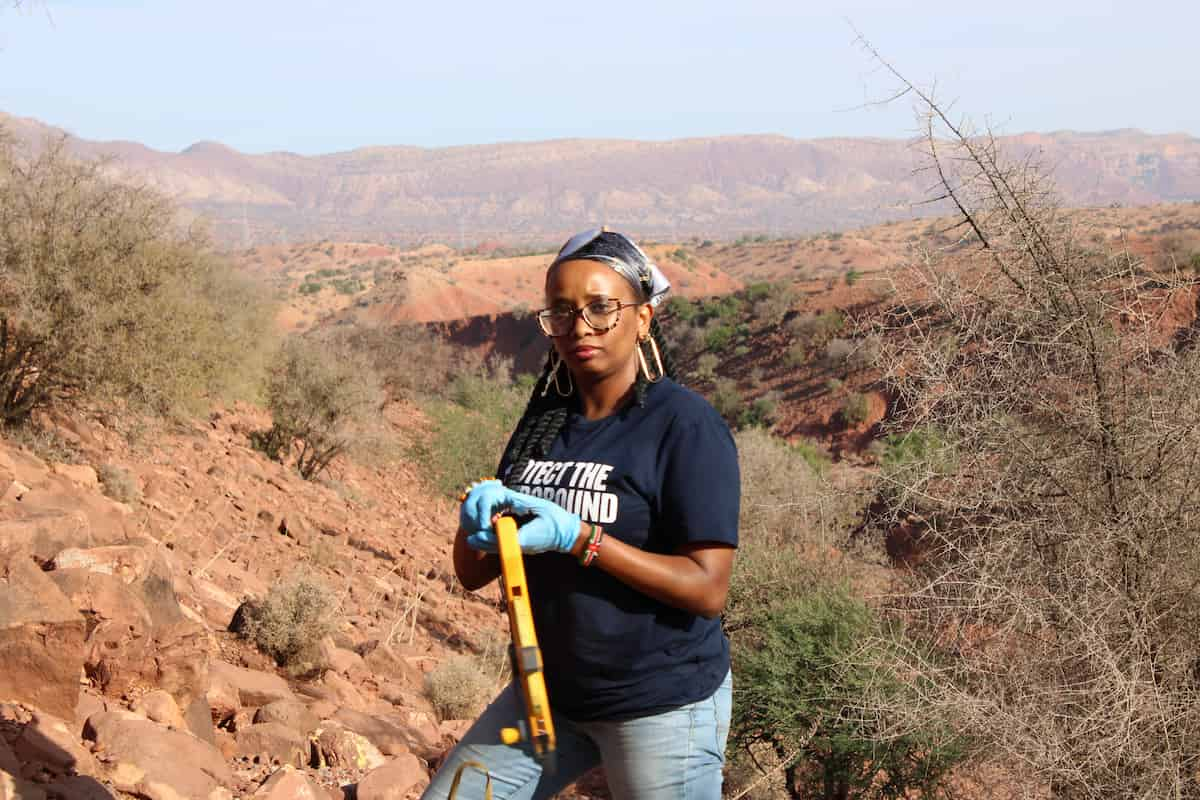
Today, we have Dr. Grace Gachara, an enthusiastic microbial ecologist based at Mohammed VI Polytechnic University, Morocco, and a Cohort Fellow and Underground Explorer at the Society for the Protection of Underground Networks (SPUN). Gachara’s research explores the intricate relationships between endemic tree species and underground microbial communities—focusing on how these microbial networks confer resilience, tolerance, and longevity to their plant partners within the rhizosphere, the dynamic zone where all the magic happens. Currently, she is studying how the argan tree is able to withstand and tolerate adverse climatic conditions, high salinity, prolonged drought spells and extreme temperature levels. Argan oil, often dubbed “Morocco’s liquid gold”, has been used for thousands of years by Indigenous North Africans for its medicinal properties and is prized in beauty rituals worldwide for its rich blend of antioxidants, vitamin E and essential fatty acids. It is for this core reason that the argan tree —which grows nowhere else on earth apart from Morocco— has been widely cultivated for centuries, where in addition to its cosmetic, culinary and pharmaceutical benefits, serves as a critical buffer to environmental degradation, desertification and soil biodiversity. Gachara prefers to think of her research as a scientific mission aimed at unravelling the intricacies within the corridors of the “Wood Wide Web” where microbial communities and trees facilitate continued survival of each other via “coded communication”.
What made you become interested in plants?
Plants are ecological geniuses. With just air, water and sunlight, they are able to literally build themselves from the ground up and flourish to become a community of plants or forestland comprising different tree species. They do all these while anchoring and supporting entire ecosystems, allowing continued survival for hundreds or thousands of years. For me, it is their silent, yet incredibly complex chemistry and their unparalleled ability to adapt to virtually any environment, including arid deserts, that truly captured my scientific curiosity. Plants are the ultimate bioengineers. They are able to single-handedly orchestrate everything from the earth’s biogeochemical cycles to the intricate symbiotic relationships with microbial populations beneath our feet. Who wouldn’t be intrigued by such versatility of plants that continue to support all life forms on earth?
What motivated you to pursue your current area of research?
During my graduate studies, my research focused on solving food security challenges within my home country (Kenya) by investigating the toxigenic fungal species responsible for aflatoxin contamination in cereal crops such as maize, millet and groundnuts. While undertaking my research, I learnt that there exists atoxigenic (or non-toxic) fungal species that can actually be used to destroy or fight the toxigenic strains and inhibit the production of these aflatoxins! Interesting, right? It’s like the same way that vaccines work.
We fall sick from acquiring infections (from toxic microbes), but in order to protect ourselves from getting these infections beforehand, we often get vaccines (made from non-toxic or weakened forms of the infectious agent), and in that way, we remain healthy. Having learnt how fascinating the fungal world is, I decided to take a detour and study mycorrhizal fungi and the pivotal role they play in protecting our underground ecosystems. It’s even more fascinating when studying these fungal communities and the relationship they hold with trees, such as the argan tree, whose longevity spans over 200 years, and learning that they not only “pull and push” nutrients, water and signals underground, they ensure continued survival of all forms of life – humans, animals and plants. Think of it as an “underground economy” where fungal populations and surrounding plants trade through a complex network that exists right under our feet!
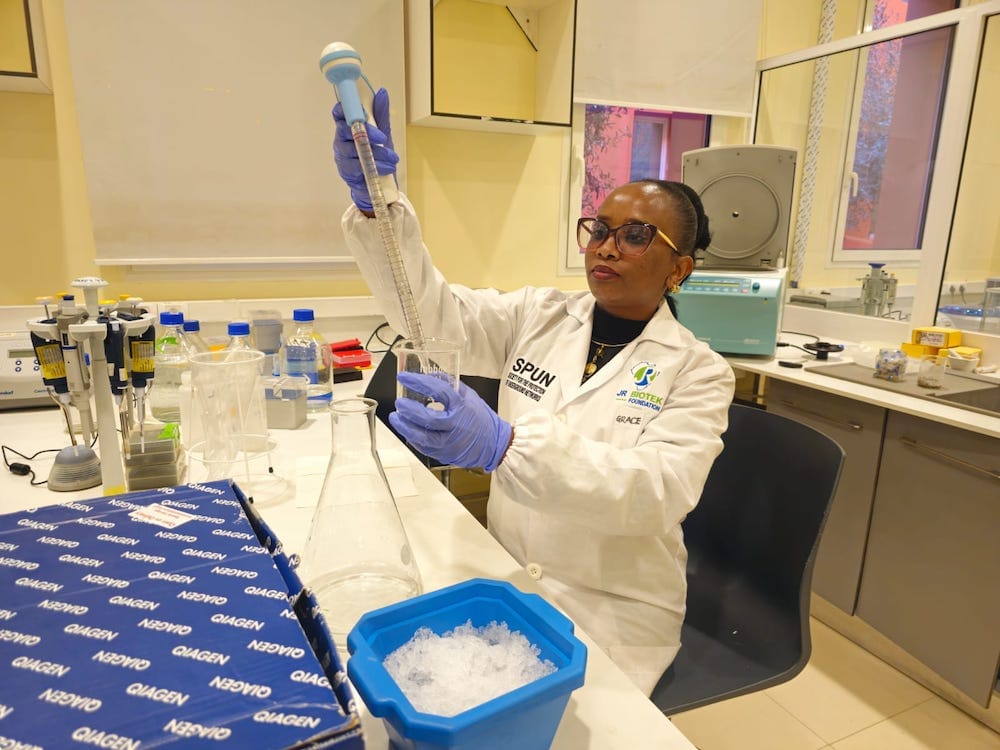
What is your favourite part of your work related to plants?
Secret superpowers of plants. Unlike we humans that can effectively communicate verbally, plants are complex organisms that have a lot going on both above and below ground. For example, a plant experiencing stunted growth shows its symptoms above ground, but in reality, the problem could be emanating from below ground, and it’s up to us as researchers to decode where the problem stems from exactly. The most interesting part is peeling back those layers and discovering what we see above ground is just a “tip of the iceberg” and the real iceberg lays beneath the soil. This is where the real magic begins, continuously learning that plants aren’t just organisms rooted in soil, but their growth is always telling a story, one that involves survival, trading, communicating and defending themselves; thanks to the help of microbial partners. It’s by witnessing how these intricate yet interesting underground plant-soil-microbiome alliance functions first-hand that truly makes my research come alive!
Are any specific plants or species that have intrigued or inspired your research? If so, what are they and why?
The focal point of my research is the argan tree (Argania spinosa (L.) Skeels), an endemic tree species that only grows in Morocco. The tree possesses all-rounded benefits that are not only limited to ecosystem protection and biodiversity conservation, but also largely benefit cosmetic, culinary and pharmaceutical industries; primarily due to the extraction of argan oil. World over, argan oil is cherished for its cosmetic properties, with local Moroccan inhabitants citing this oil as the secret ingredient for their age-old beauty. The argan tree fascinates me because its stands as a true testament and embodiment of resilience. Imagine a tree species that is able to withstand temperatures that rise as high as 50⁰C! Year in, year out, argan trees grow and survive in such climates, which is very common in southwest Morocco, where the argan stands are located. Even in such extreme heat levels that span more than eight months in a year, this tree species is able to tolerate this aridity that is often accompanied by high salinity; thanks to its deep root systems that are well anchored in the soil allowing them to retain as much moisture as possible in such climatic adversity. The resilience of the argan tree is further demonstrated by its longevity and lifespan, with some species living up to 200 years! For me, the resilience and fighting spirit of the argan tree is unmatched and I like to refer to it as the “real GOAT” (Greatest of All Time)!
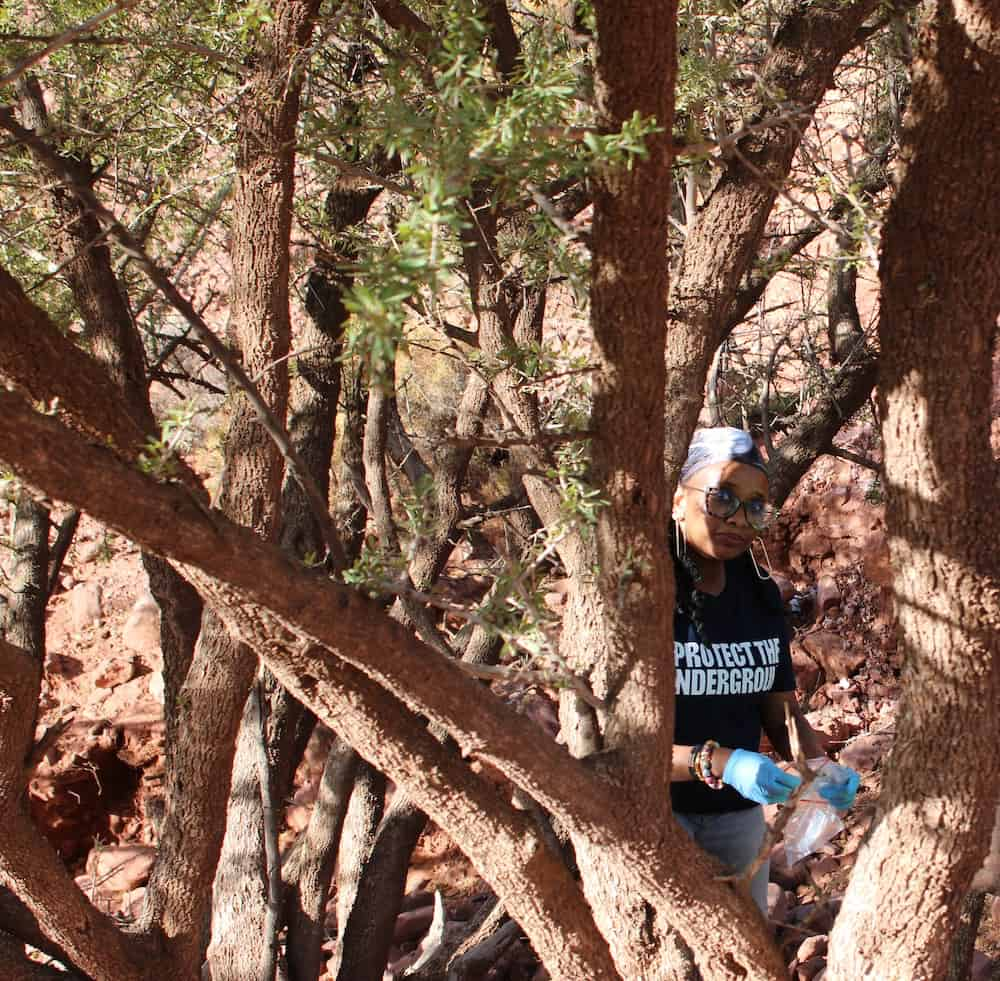
Could you share an experience or anecdote from your work that has marked your career and reaffirmed your fascination with plants?
While undertaking our fieldwork, which is often gruelling as we have to work in the scorching sun with temperatures above 40 ⁰C, we were meticulously digging around argan root systems in southwest Morocco to collect root and rhizosphere samples. During one of our sampling sessions, the heat levels were extremely unbearable and as I labelled my samples, I couldn’t help but really question how any plant species could survive in such harsh and unforgiving conditions. I mean, the heat is so intense it is even hard to see spiders, insects or lizards crawling in the sun! As I brushed off a fine argan rootlet I had just collected, I realized there and then that the secret to why these trees could endure such adversity lay below the soil, where an intricate network of fungal communities thrives. This “highway of hyphae” is where all the magic happens: nutrients, water and ions are all ferried upwards through the argan root system to the rest of the plant; all within an environmental terrain that defies all odds to ensure survival of the tree, one hot season at a time. My research continues to prove that plants (and trees) hardly survive (or thrive) on their own. Underground, a secret network of microbes, mostly fungi, often works round the clock to confer the much needed support to plants, allowing them to reinforce their environmental resilience in return.
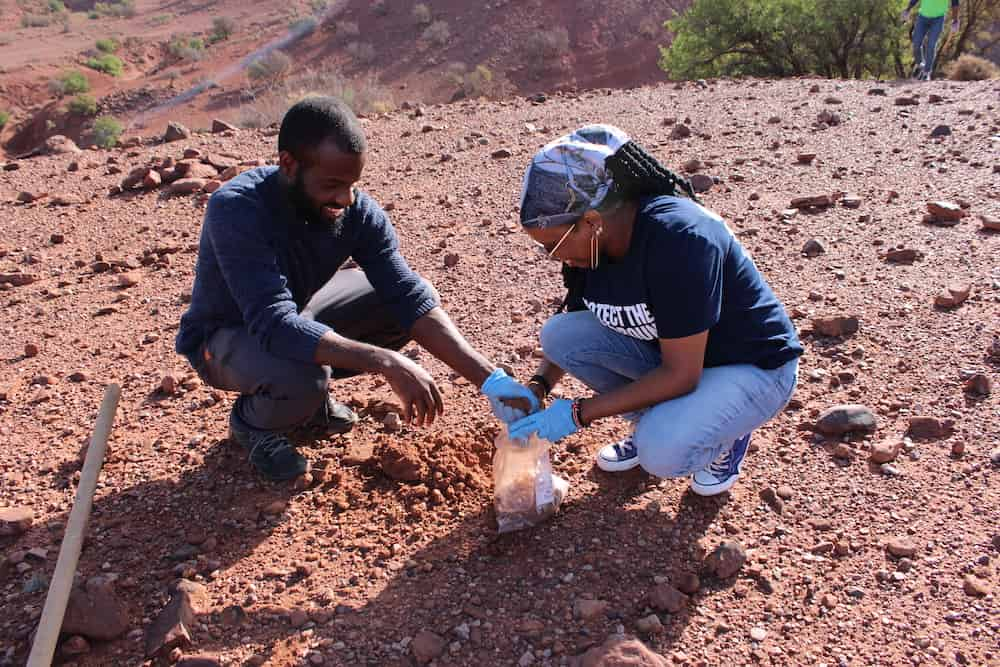
- What advice would you give young scientists considering a career in plant biology?
Get your hands dirty! To understand the complex world of plants, you must be ready to dig up some soil here, plant some seeds there or even climb over some hills just to get the perfect sample. The most thrilling discoveries about plants and their fascinating world all happen belowground, where ecology meets biology, and chemistry bonds with nature. Hence, get your hands dirty any way you can – in the field, in the greenhouse, in the lab – and let science work its way through to unlock the blueprint of unravelling the mysteries of the plant world to tackle climate change, conserve ecosystems and protect underground networks. From the silent resilience of plants in extreme conditions to their secret partnerships with microscopic bio-life is a roller-coaster research journey that will turn any plant biologist into a detective, investigator, explorer and computer techie all rolled up into one, so gear up youngins!
What do people usually get wrong about plants?
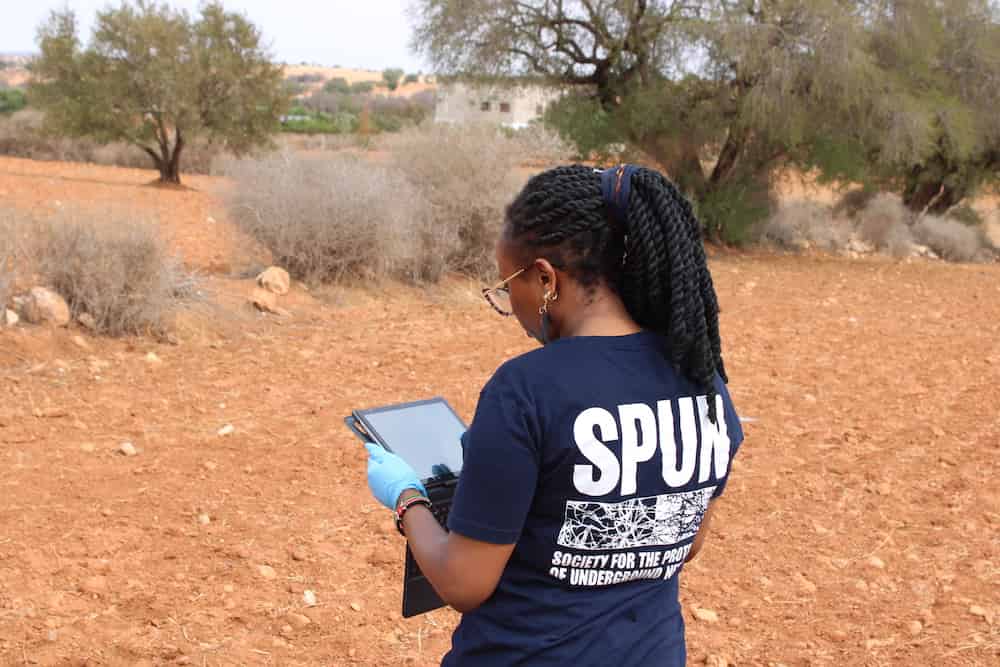
Contrary to what people think that plants grow in silence, with a dash of water here and spice of your favourite organic fertilizer there, plants actually “talk” to each other using their special “sign language” in the course of their growth. Plants communicate and “talk” a lot via an intense and vibrant underground network of fungi or the “Wood Wide Web”. It is through this network that they communicate and make it known that they need more water, more nutrients or more protection. Plants are capable of doing all these because they are “intelligent” organisms, and even if they lack a nervous system like us that warns us of incoming danger or pain, they create complex signalling systems by studying their environment, thereby optimizing their growth and subsequent survival. The famous saying “started from the bottom now I’m here” can be proudly affirmed by plants in their quest for endurance as they start off as young seeds or seedlings and grow into mature plants or trees to occupy an entire garden, forest or ecosystem altogether!
Carlos A. Ordóñez-Parra
Carlos (he/him) is a Colombian seed ecologist currently doing his PhD at Universidade Federal de Minas Gerais (Belo Horizonte, Brazil) and working as a Science Editor at Botany One and a Communications Officer at the International Society for Seed Science. You can follow him on BlueSky at @caordonezparra.