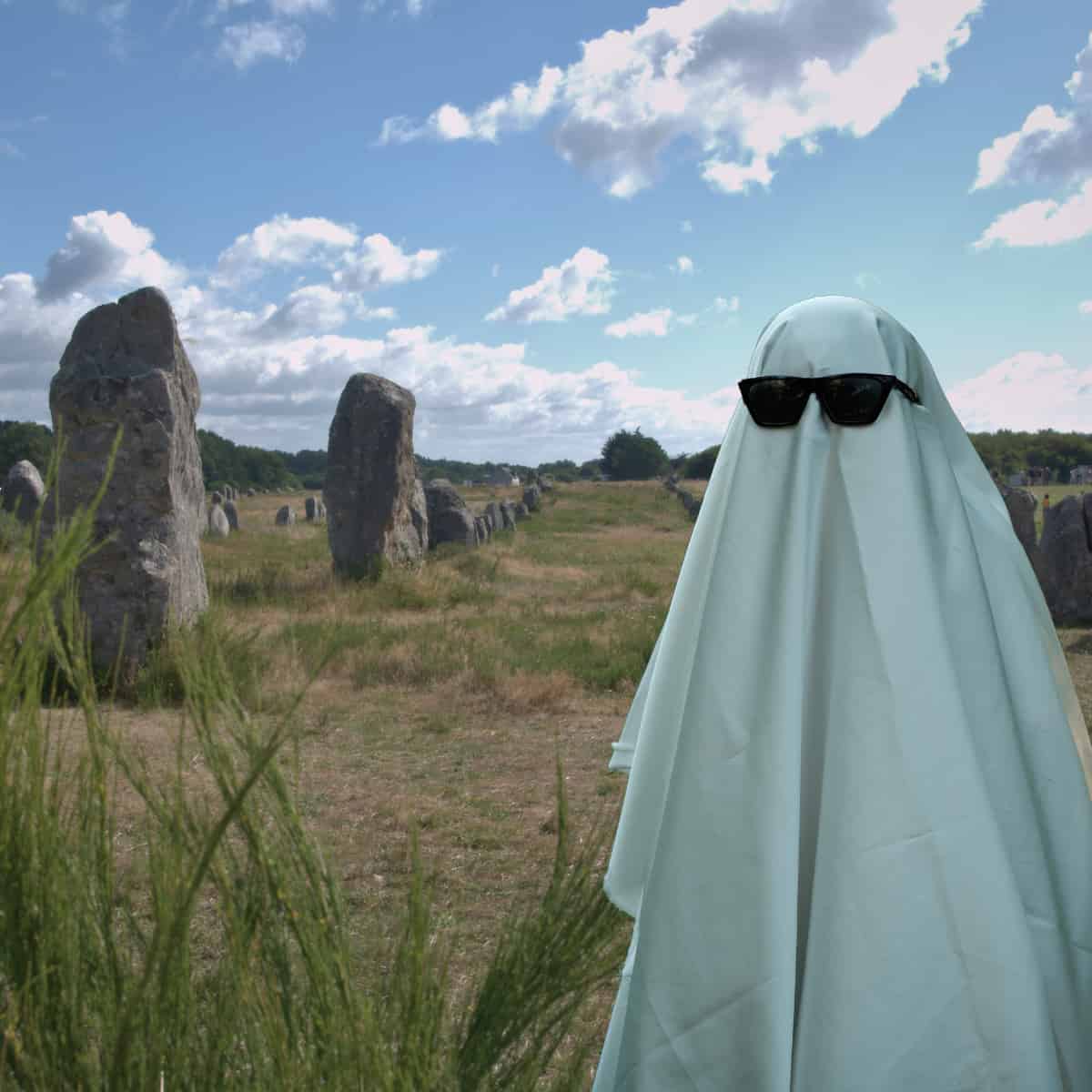



When you visit a garden, you probably focus on the plants you can see, but what about the plants that should be there, but aren’t? This question led researchers to study “dark diversity” – the missing plants in a landscape. By examining both present and absent plants in heathlands and grasslands across Brittany. Chollet and colleagues discovered that these botanical ghosts hold clues for protecting and restoring natural spaces.
The authors argue that traditional methods of estimating missing species often included plants that don’t naturally belong in heathlands and grasslands. By refining their approach to focus only on species typical of these habitats, Chollet and colleagues gained a clearer picture of ecosystem health. This revealed that some apparently healthy sites still had significant numbers of missing native species – suggesting untapped potential for restoration.
The team explored 715 different natural areas, carefully recording every plant species they found. They used published data, and consulted regional experts to identify what plants should be expected in a survey. This meant creating detailed profiles of both heathlands and grasslands across Brittany, They then used sophisticated statistical tools to predict which absent species should naturally occur in each location.
The use of dark diversity by conservation and restoration practitioners offers additional possibilities compared to the use of information obtained solely on observed diversity. However, our results clearly show that, in order to promote its use in conservation and restoration, estimates of dark diversity must be restricted to species belonging to the pool of species typical of the habitat.
Using Dark Diversity allows ecologists to consider the species that have been lost in a location, so that management can help restore habitats instead of preserving them in a damaged state. It offers a similar understanding comparing how a restored woodland compares to ancient forests. Combining both the living and the missing, conservationists can make better decisions about how to help degraded sites recover their natural diversity.
Chollet, S., Dano, M., Thiebaut, G. & Jung, V. 2024. Dark diversity and habitat conservation status: Two sides of the same coin for conservation and restoration? Ecological Indicators 170 (2025) 112990. https://doi.org/10.1016/j.ecolind.2024.112990