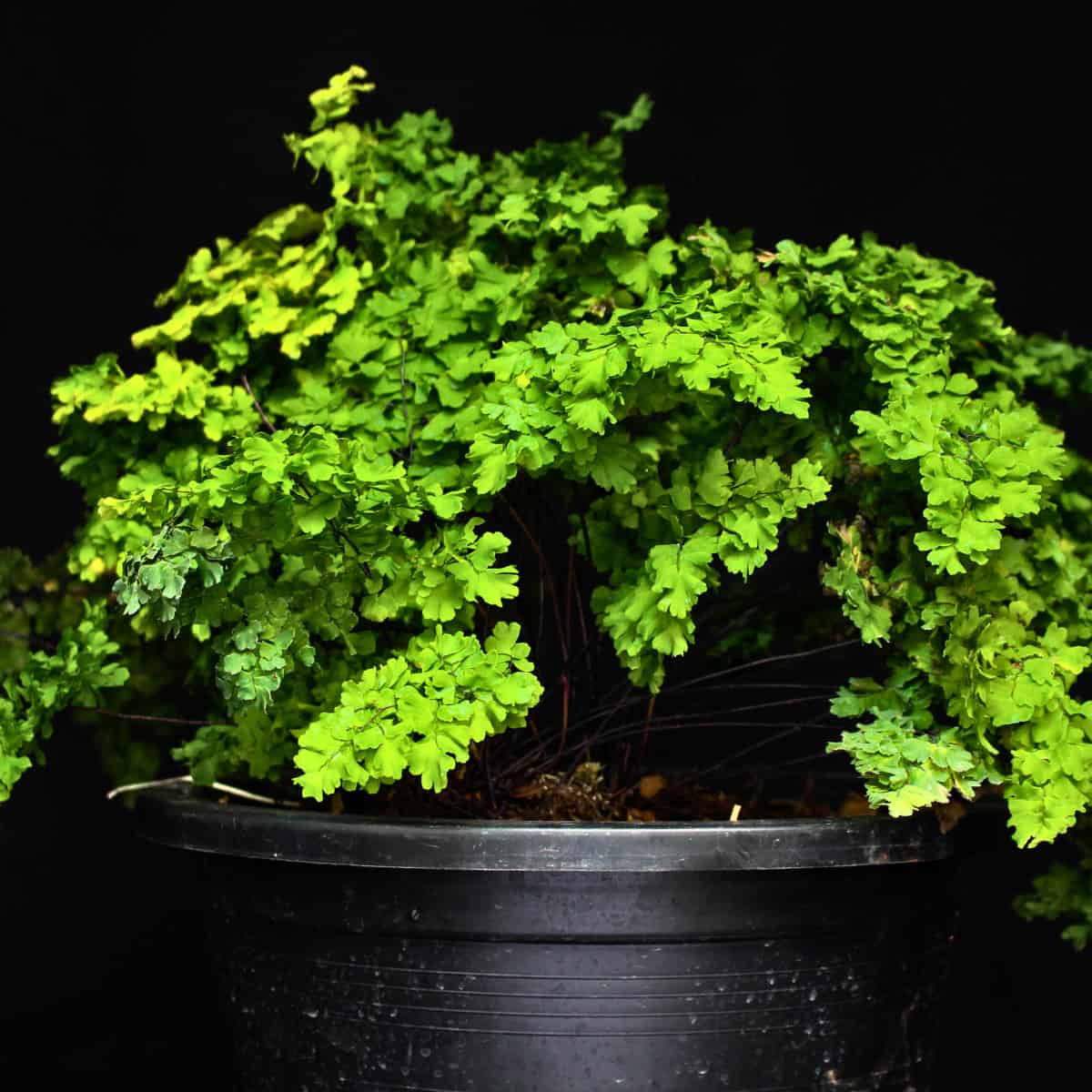



What’s the best plant to boost an office? It depends what effect you want. Research by Kenro Tokuhiro and colleagues has found that humans respond to different leaf shapes in different ways. They say plants with small, complex leaves promote relaxation while large-leaved species create liveliness.
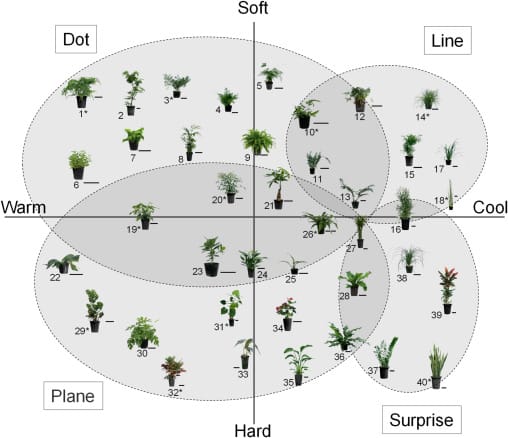
The researchers mapped 40 common indoor plants on a subjective chart based on “warm-cool” and “soft-hard” impressions. They then classified the results into four categories. “Dot,” “Line,” “Plane,” and “Surprise”—each evoking distinct psychological responses.
The researchers then analysed the leaf shapes, finding coherent groups for Dot, Line and Plane. The Surprise group lived up to its name as it couldn’t be predicted by leaf measurements. It was the result of “…the odd shape of the whole plant and stem rather than the shape of the leaves.”
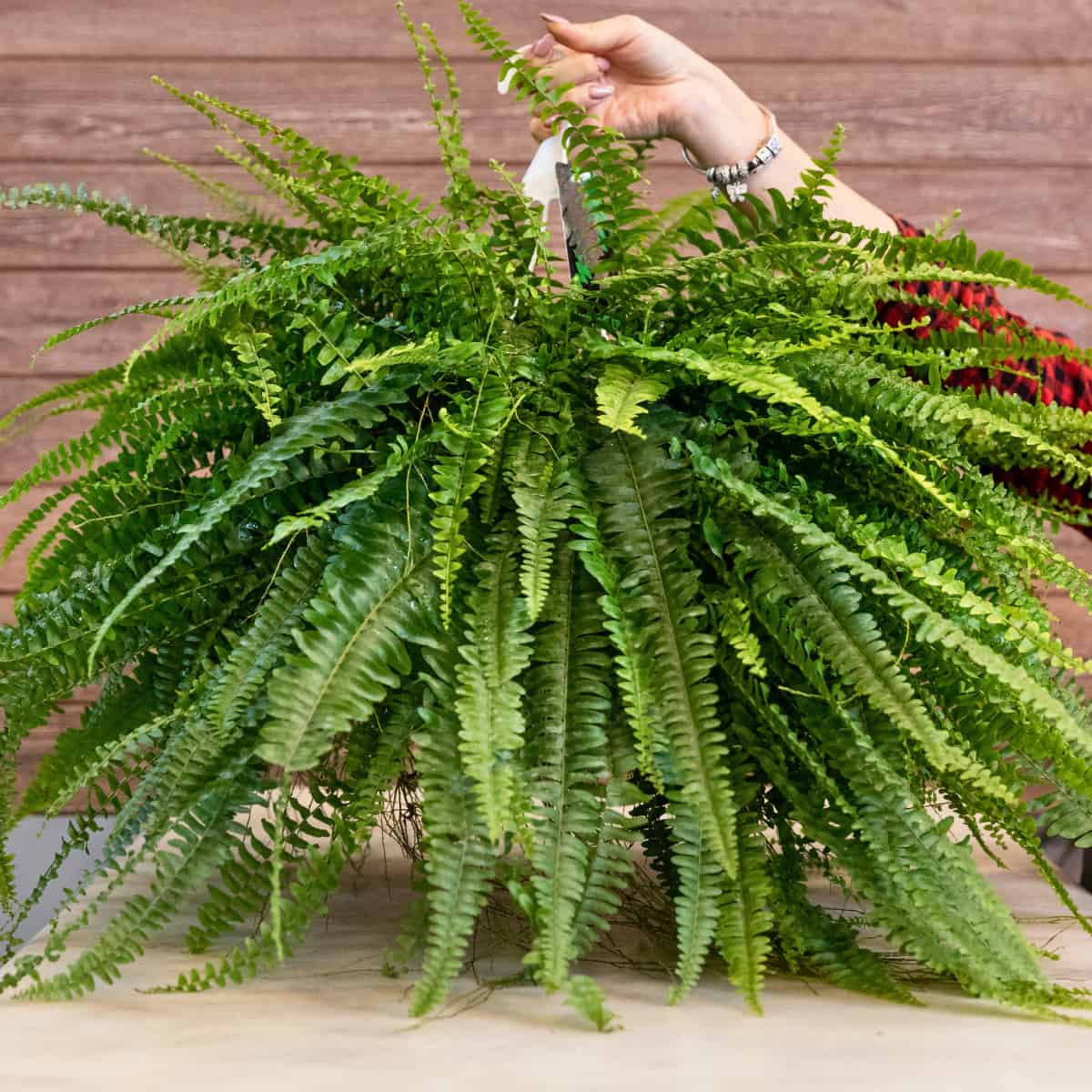
Plants with small, clustered leaves (the “Dot” group) consistently rated highest for relaxation effects among both experts and the public. These include ferns like Nephrolepis exaltata, Asparagus species and other plants with compound leaves. The relaxation effect of “Dot” plants may be linked to their higher fractal dimensions. These had a fractal dimension between 1.1. and 1.6, compared to 1.0 to 1.1 for the other plants. It is thought the “Dot” plants exhibit self-similarity patterns in a range our brains find attractive.
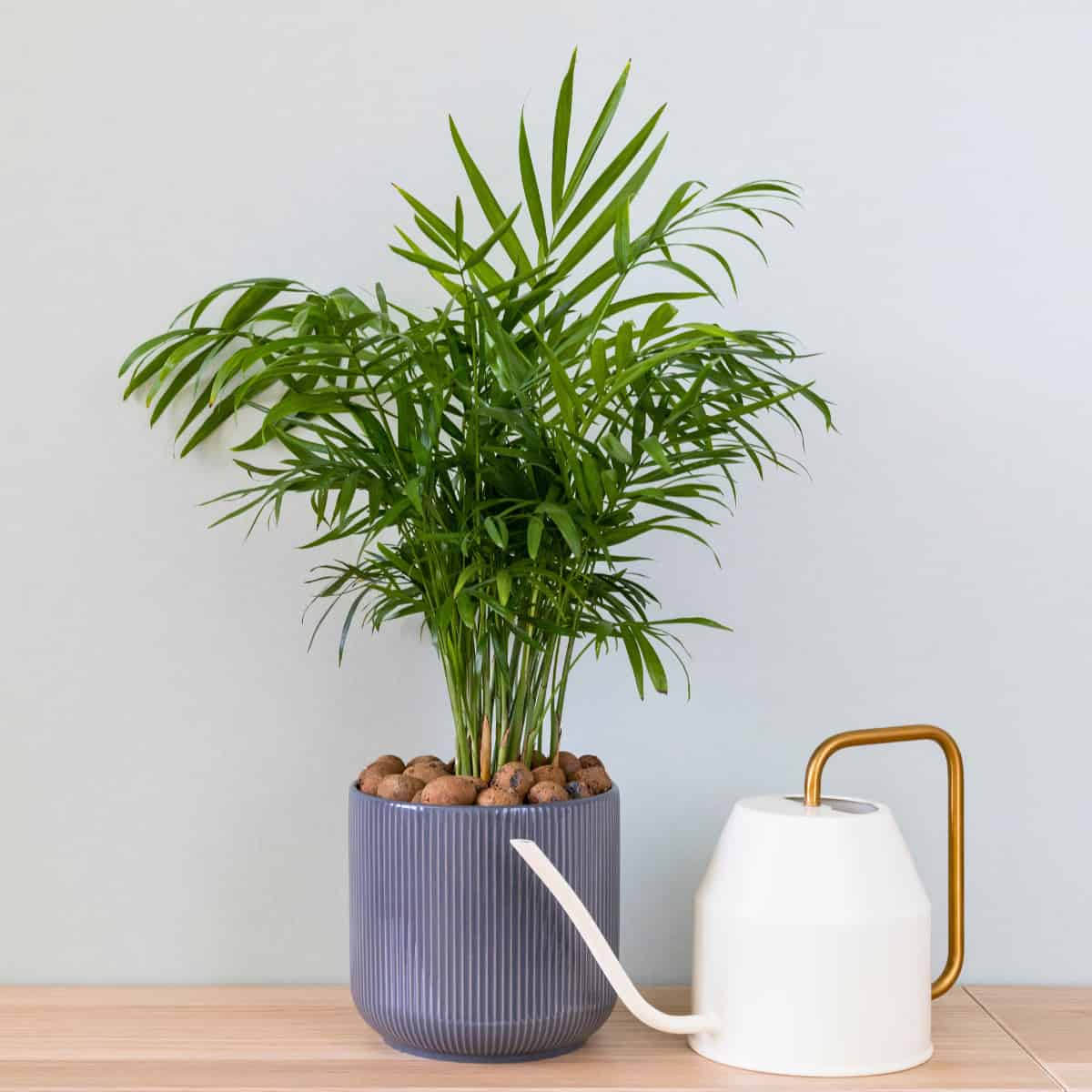
Plants with narrow, elongated leaves (the “Line” group) were expected to enhance concentration, but results were inconsistent. Tokuhiro and colleagues note “…the concentration scores of the line plant groups were not significantly higher than the relaxation or liveliness scores.”
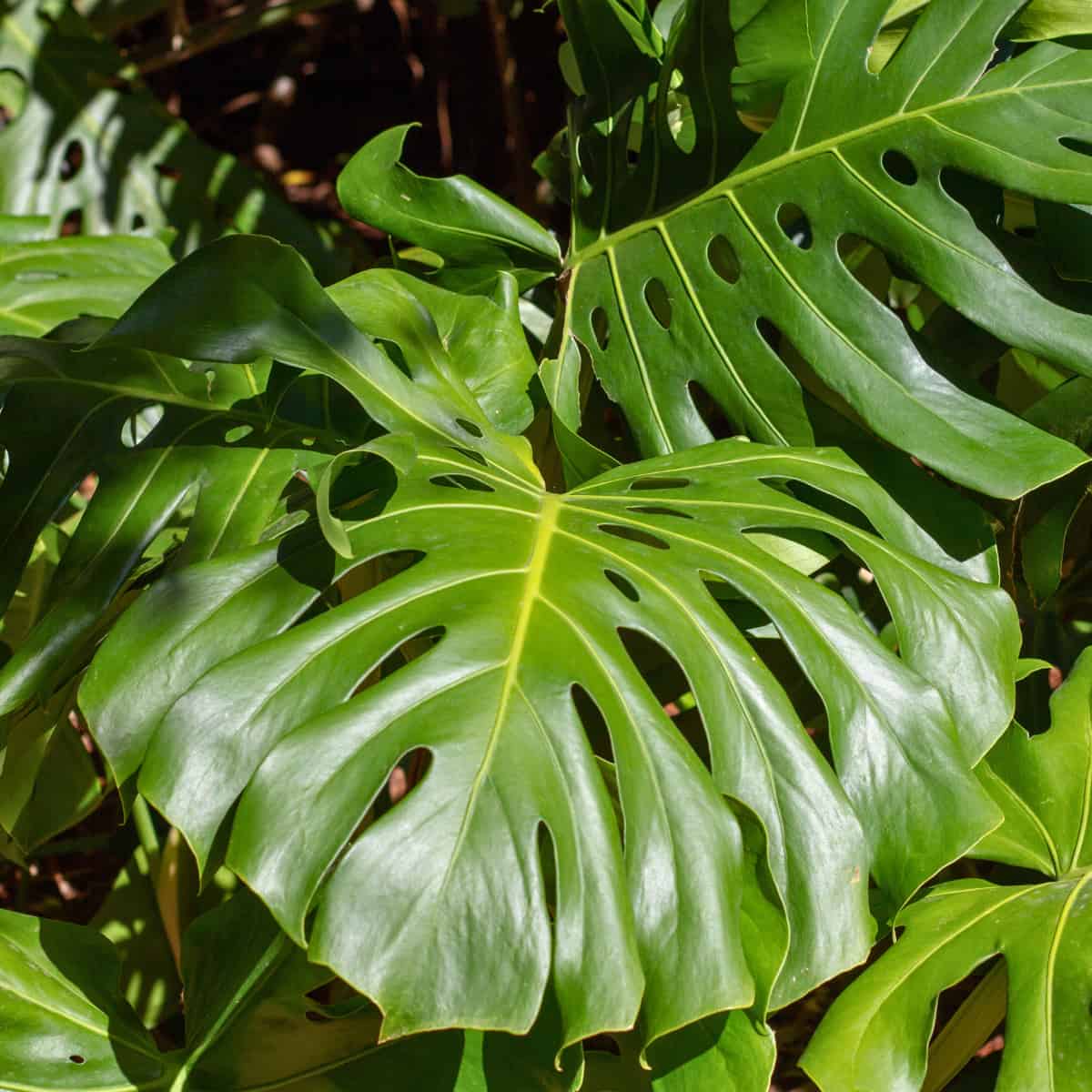
Large-leaved “Plane” plants like Monstera, Alocasia, and Anthurium scored highest for creating lively, positive environments, with experts. The public sort of agreed, but they also rated them high for relaxation at the same time. The authors note that larger leaves have a bigger restorative effect.
The team found they could reduce analysis of these leaf shapes to a surprisingly small number of measurements for the leaves: leaf length, width, and roundness. These three measurements were enough to classify the plants by their expected psychological effect.
The authors admit their experiment in this paper is limited. “Because we focused on leaf shape, other influential factors such as size, color, texture, silhouette, and aroma, as well as other aspects of leaves and whole plants were not considered… In addition, evaluations were conducted for each plant individually, and did not consider how the different plants would be perceived when they combined with each other.” They also add that touch and movement are not considered, so this research is a baseline rather than comprehensive result.
While the research doesn’t warrant throwing out established indoor plants, it raises interesting possibilities for new installations in places like hospitals where you may want to energise patients to exercise rather than relax. And if someone at work brings you a Monstera, are they dropping a hint?
Tokuhiro, K., Sugimoto, H., Ikeuchi, A., Tsujie, T., Wada, E., Muramatsu, M., & Ohto, C. (2025). Subjective mapping of indoor plants based on leaf shape measurements to select suitable plants for indoor landscapes. Building and Environment, 276, 112828. https://doi.org/pnt8
Cross-posted to Bluesky & Mastodon.
Cover: Adiantum raddianum / Canva.