


Ian Glasspool and Robert Gastaldo challenge the idea of a “charcoal gap” in the Middle Devonian. Their research reveals evidence of wildfires during this period, suggesting atmospheric oxygen levels were higher than previously thought.
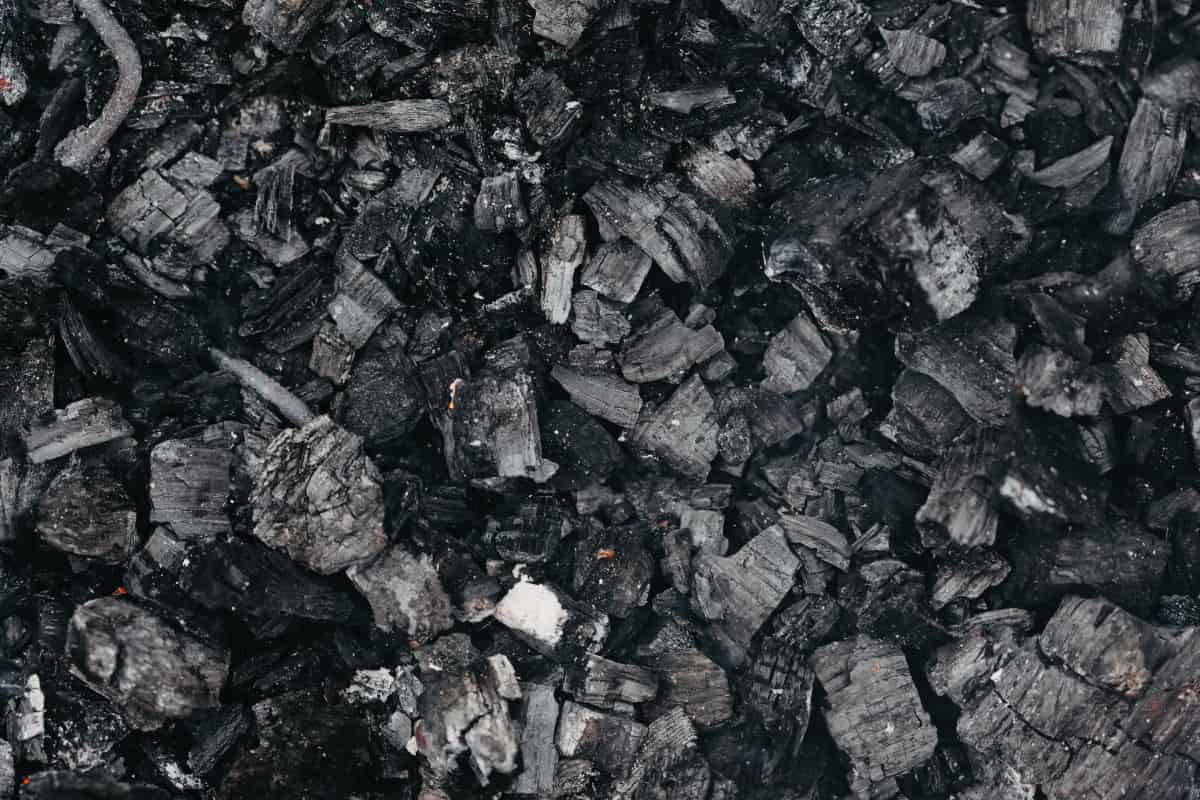
The existence of charcoal in the fossil record is important and it’s seen as evidence of forest fires. In order to have a forest fire you need an atmosphere with more than 16% oxygen, so this charcoal gap tells us something about the chemical composition of the atmosphere.
Charcoal appears to be missing from the middle Devonian period. But, the scientists found charcoal from 393-382 million years ago in Maine, USA. This discovery, along with other evidence, shows that fires were common in ancient forests. It means oxygen levels were likely above 16%, the minimum needed for fires to spread.
Glasspool and Gastaldo analyzed charcoal from rocks and looked at data from other studies. They found that others had missed charcoal due a focus on larger fossil charcoal pieces. By including microscopic charcoal found in dispersed organic matter in their analysis, they revealed a more complete picture of ancient fire activity.
This charcoal evidence supports pO2 levels at, or above, the minimum for fire ignition and propagation. The perception that charcoal was absent during this interval is likely due to taphonomy and sampling.
This research changes our understanding of early Earth’s atmosphere. It suggests that oxygen levels rose earlier than some models predicted, coinciding with the spread of the first forests on land.
Glasspool, I.J., and Gastaldo, R.A., 2024, Don’t mind the “charcoal gap”: A reassessment of Devonian wildfire: Geology, https://doi.org/10.1130/G52648.1 (OA)