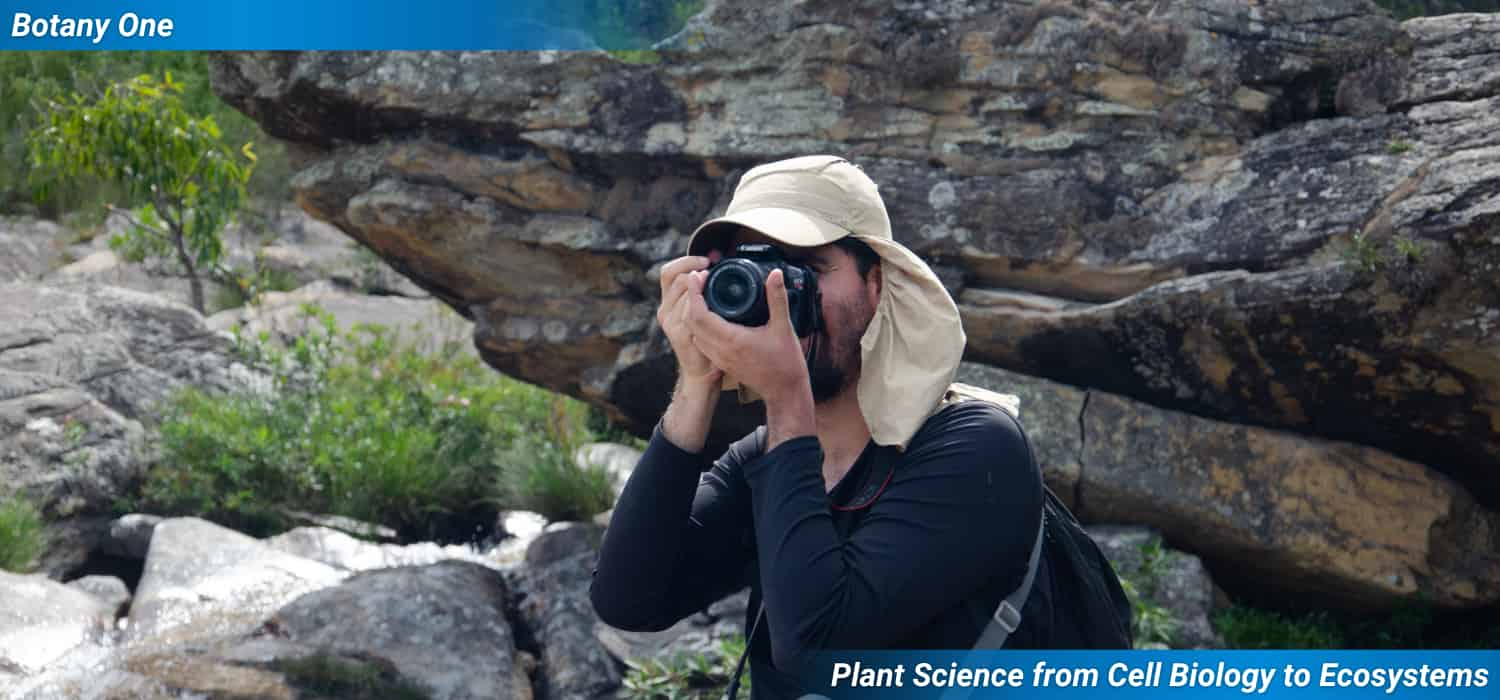


Rock outcrops are challenging environments where unique and diverse plant species have evolved. These species have adapted to survive in nutrient poor soils, high temperatures, and limited water availability. But how do they manage to do that? A recent study, published in Annals of Botany, explored the factors influencing seed germination and survival in Brazilian rock outcrop ecosystems, known as campo rupestre.
The research, led by Carlos Ordóñez-Parra, explored how seeds of campo rupestre plants respond to environmental factors like light, temperature, and fire. To address this, researchers analyzed data from 371 plant species growing on quartzite and ironstone outcrops, using over 4,000 germination records to have a detailed picture of seed ecology in these ecosystems.
One of the key findings of the study was the influence of evolutionary history on seed traits. Closely related species often share similar characteristics, such as seed size, dormancy, and shape, suggesting that these traits are inherited and shaped by common ancestry.
In addition to phylogenetic relationships, the researchers found that environmental factors also play a significant role in shaping seed strategies. For instance, plants growing in different microhabitats, such as those exposed to intense sunlight or those located in the shadow of a rock, exhibited distinct seed traits. This suggests that natural selection has fine-tuned seed characteristics to optimize survival and germination in specific environments.
The study also shed light on the germination requirements. Many campo rupestre species showed a strong response to light, with optimal germination occurring between 20 and 25 degrees Celsius. However, the impact of higher temperatures varied depending on the plant’s growth form, geographic distribution, and microhabitat.
Another interesting finding was the impact of fire on seed germination. While high temperatures can damage or kill seeds, the study found that smoke can stimulate germination in some species. This suggests that fire, a natural disturbance in many campo rupestre ecosystems, may play a role in seed dispersal and regeneration.
Researchers also explored the relationship between seed size and germination responses. Larger, dormant seeds were found to be more tolerant to heat stress but less responsive to light. This suggests a balance between seed longevity and germination potential.
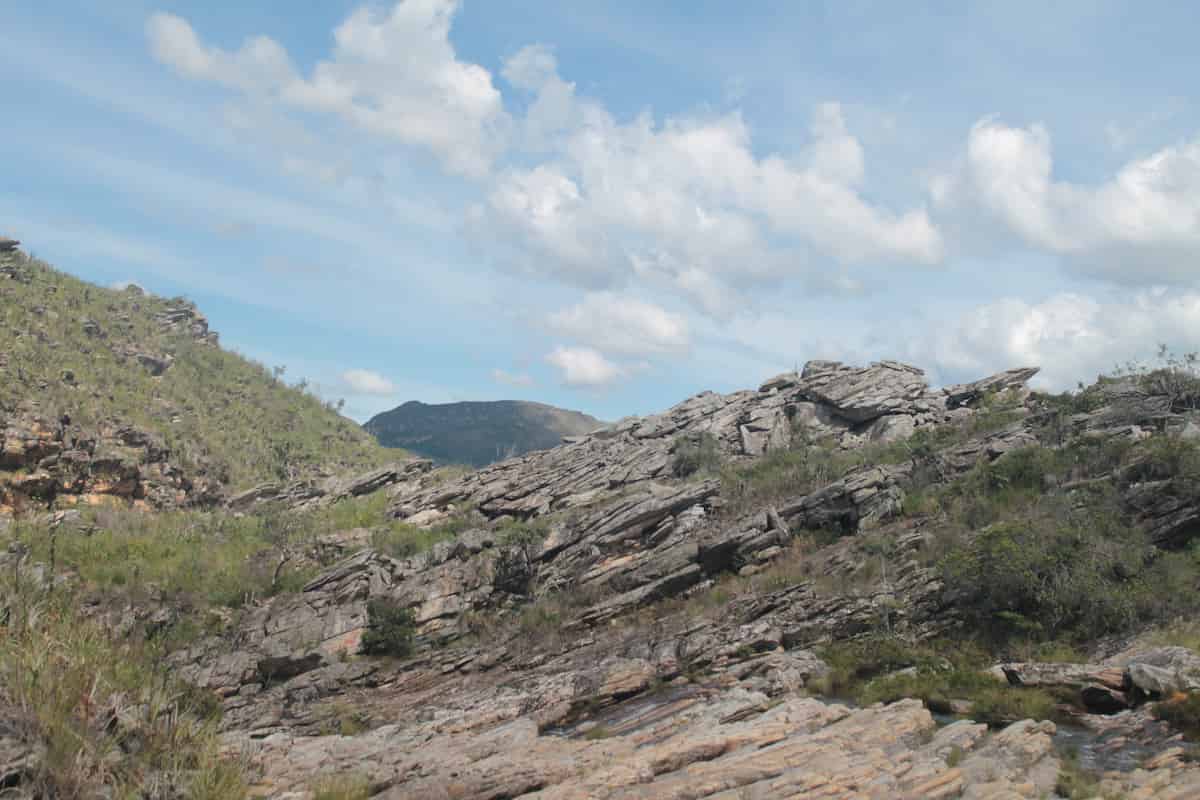
Species from xeric habitats, characterized by low water availability, have evolved strategies to synchronize germination with periods of increased soil moisture, improving the chances of seedlings survival in arid conditions.
In summary, shrubs tended to produce heavier seeds and to have higher probabilities of dispersal during the late dry season. In contrast, herbs produced relatively smaller seeds with higher probabilities of dispersal during the late rainy season. Species from mesic/xeric microhabitats tended to produce heavier seeds and disperse them during the late rainy season compared with those exclusively from mesic microhabitats. Moreover, species restricted to xeric environments had higher probabilities of producing dormant seeds during late rainy dispersal than those from mesic environments. Finally, species restricted to outcrop vegetation and widespread ones did not differ in any seed trait.
Understanding the seed ecology of campo rupestre vegetation is essential for its conservation. By identifying the factors that influence seed germination and dispersal, conservationists can develop effective strategies to protect these ecosystems. For example, controlled burns can mimic natural fire patterns and promote seed germination. Additionally, conservation efforts should focus on the preservation of diverse plant communities, as this can help maintaining the genetic diversity necessary for adaptation to future environmental challenges.
READ THE ARTICLE
Ordóñez-Parra C., Medeiros N., Dayrell R., Le Stradic S., Negreiros D., Cornelissen T. and Silveira F. (2024) “Seed functional ecology in Brazilian rock outcrop vegetation: an integrative synthesis” Annals of Botany. Available at: https://doi.org/10.1093/aob/mcae160