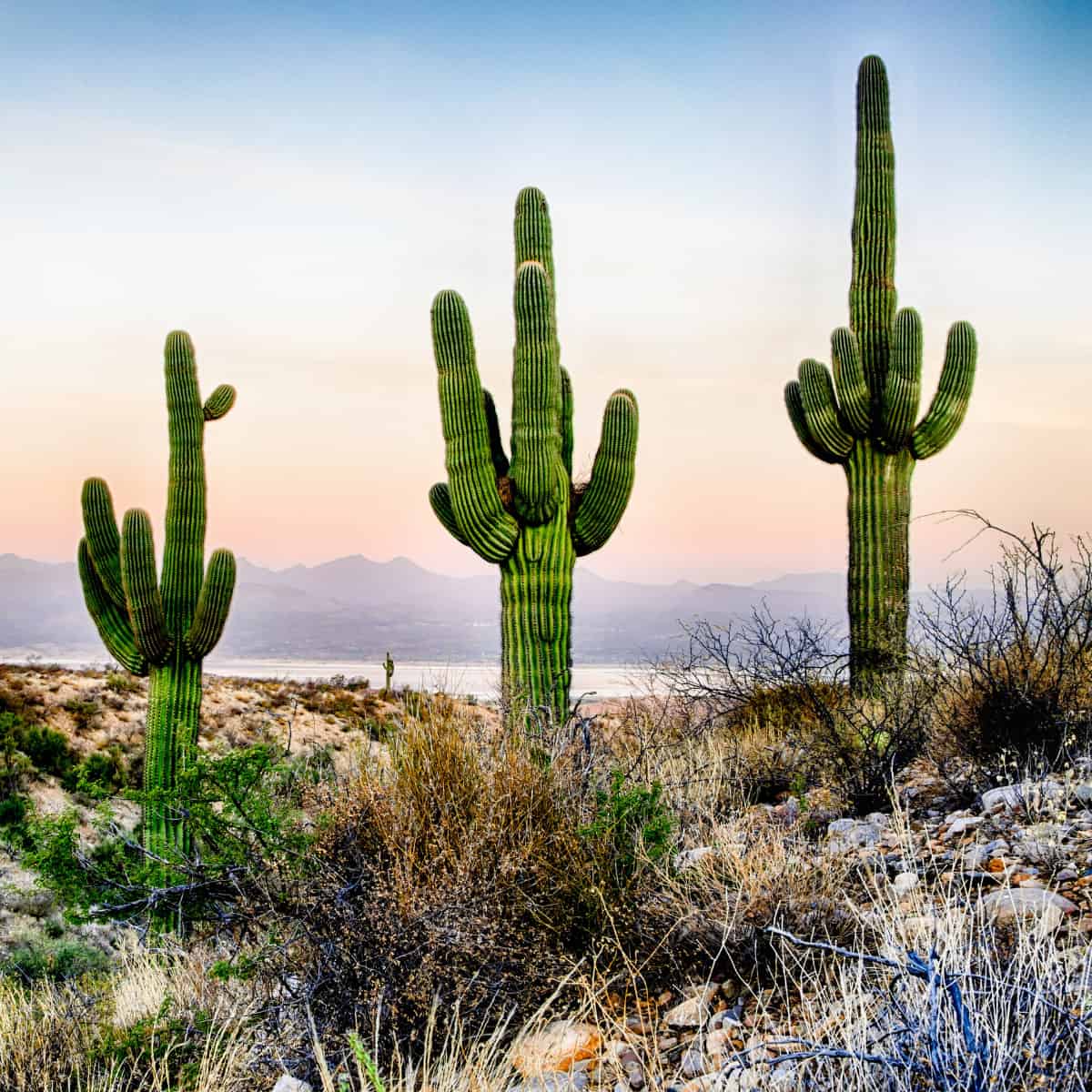



Deep in the Sonoran Desert, towering saguaro cacti have stood sentinel for centuries. Yet these desert giants now face mounting challenges from wildfires and climate change. De Albuquerque and colleagues analysed this complex situation using advanced computer modelling to identify the best locations where these iconic plants could recover and thrive. By studying nearly 30,000 saguaro locations and mapping their relationships with helper species that aid saguaro survival, the team discovered that northeastern areas of the Sonoran Desert are the most promising locations for protecting these remarkable plants.
de Albuquerque and colleagues found the places where the saguaros grow are also places where their helper species thrive . The results show that conservation cannot be targeted at one species alone, but needs to protect many species in this highly interconnected environment. The team identified eight species of birds that have a particularly tight overlap with the saguaros. The birds have a crucial role in saguaro survival, from dispersing seeds to creating nesting cavities that later provide homes for other desert animals. Protecting saguaros therefore helps protect entire communities of desert species.
The ecologists found the best refuges for cacti by mapping the Sonoran Desert. The team collected records of nearly 30,000 saguaro locations, building an unprecedented picture of where these cacti live. They didn’t stop at mapping just the cacti – they also tracked four key nurse plants that shelter young saguaros, and 63 animal species that help with pollination and seed dispersal. Satellite data spanning a decade allowed them to identify areas scarred by wildfires and build a picture of post-wildfire response.
Previous research revealed just how vulnerable saguaros are to fire – unlike many desert plants, these cacti rarely survive burns, and their deaths continue long after flames die down. This vulnerability makes the new research particularly timely. By identifying the most promising areas for saguaro conservation, scientists are gaining vital clues for protecting these plants and their complex web of ecological relationships. A more informed approach to conservation may help whole desert communities weather the effects of climate change.
de Albuquerque, F.S., Rowe, H., Búrquez, A., & Rey Benayas, J.M. 2024. Integrating habitat suitability, disturbance, and biotic interactions into the ecological restoration of the saguaro (Carnegiea gigantea) in drylands of the southwest of the United States and northern Mexico. Restoration Ecology. https://doi.org/10.1111/rec.14357 ($)
Cross-posted to Bluesky, Mastodon & Threads.
Cover image: Canva.