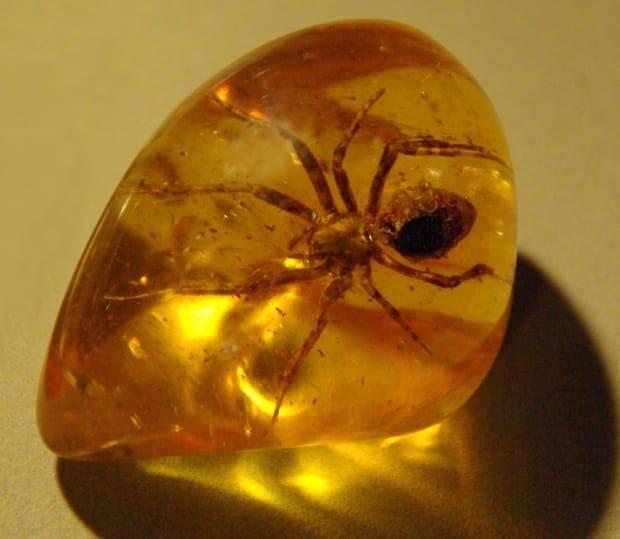

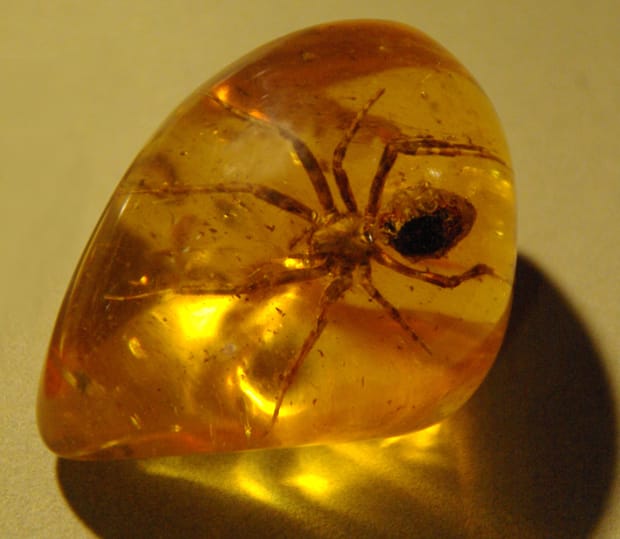
Going back almost as far you can with higher plants, we now have a remarkable use of plant-derived exudates that represents the phytopalaentological equivalent of looking for a needle in haystack. But one which has – coincidentally and inadvertently – created a new fledgling branch of botany. This is the revelation that has the fossil world in a bit of a flap: amber – a fossilised exudate from trees – has been found by Ryan McKellar et al. (Science) to house 80 million-year-old feathers and ‘protofeathers’. The mixture of prehistoric feather fragments is believed to be from both early birds and non-avian dinosaurs and is preserved in exquisite detail. Interestingly, the fascinating fossil finds come from amber samples in the Royal Tyrrell Museum in southern Alberta. But, even more interestingly – and certainly serendipitously – McKellar (an invertebrate paleontologist) was apparently looking for amber-encased wasps when he chanced upon the feathers. All of which sounds rather Crichton-esque to me. But, if you’re wondering what’s the difference between the work of Kellar and Crichton, one’s of fancy flights the other’s flights of fancy.