


How do you get people to care about plant conservation? Pavol Prokop and colleagues have found a way to tug at the public’s heartstrings. They discovered that people feel strong compassion for visibly struggling plants, like they would do for abused animals. This opens up a different approach to conservation than seeing it as a matter of imparting knowledge.
The method the team used to test for compassion was a bit grim but effective. The researchers showed people photos of plants before and after water stress to test for compassion. Obviously it would be unethical to abuse animals for an experiment like this, but people aren’t always great so the team were able to show subjects photos of abused and treated dogs, to compare compassion responses. Participants rated their willingness to pay for conservation for each randomly presented animal or plant on a seven point scale.
Prokop and colleagues found that people showed similar levels of compassion for water-stressed plants as they did for abused animals. They also found that rarity of a plant made a difference, with more care given to the rarer plants. The key to a person’s response seems to be an emotional connection with the subject. People with higher scores on the conservation attitudes scale were more likely to also show a high emotional connection with plant and animals.
Discussion of plant blindness or plant awareness disparity has often focussed on a lack of knowledge, leading people to ignore plants. Prokop and colleagues’ results suggest the bigger problem is that people just don’t care. A common comment in papers like these is that plants are seen as ‘less alive’ than animals. By highlighting a plant’s ability to suffer, Prokop and colleagues also made explicit that a plant had to be alive to be able to suffer.
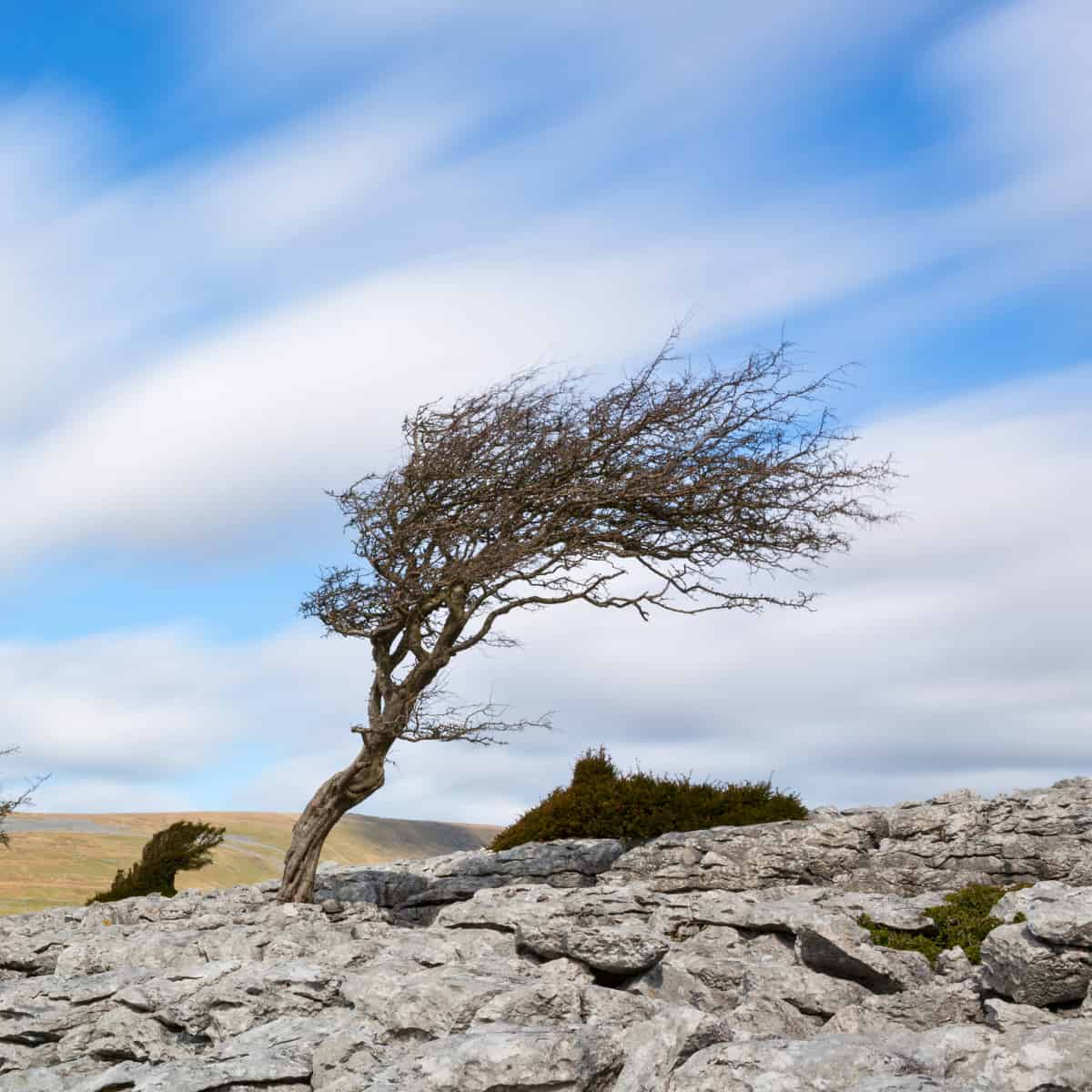
Attacking rare plants with axes probably isn’t a helpful conservation action, but highlighting how plants are suffering is. A common framing is “the world’s loneliest tree’. Alternatives would be plants being driven from their homes by rising temperatures, or being evicted by curiously determined squirrels just as a mining company decides it would like to explore the area. Engaging brains is important in conservation, but the first step is through the heart.
Prokop, P., Belzárová, K., & Čergeťová, I. T. (2025). Compassion and the perceived rarity of plants can increase plant appreciation. People and Nature. https://doi.org/10.1002/pan3.10775
Cross-posted to Bluesky & Mastodon.
Image: Canva.