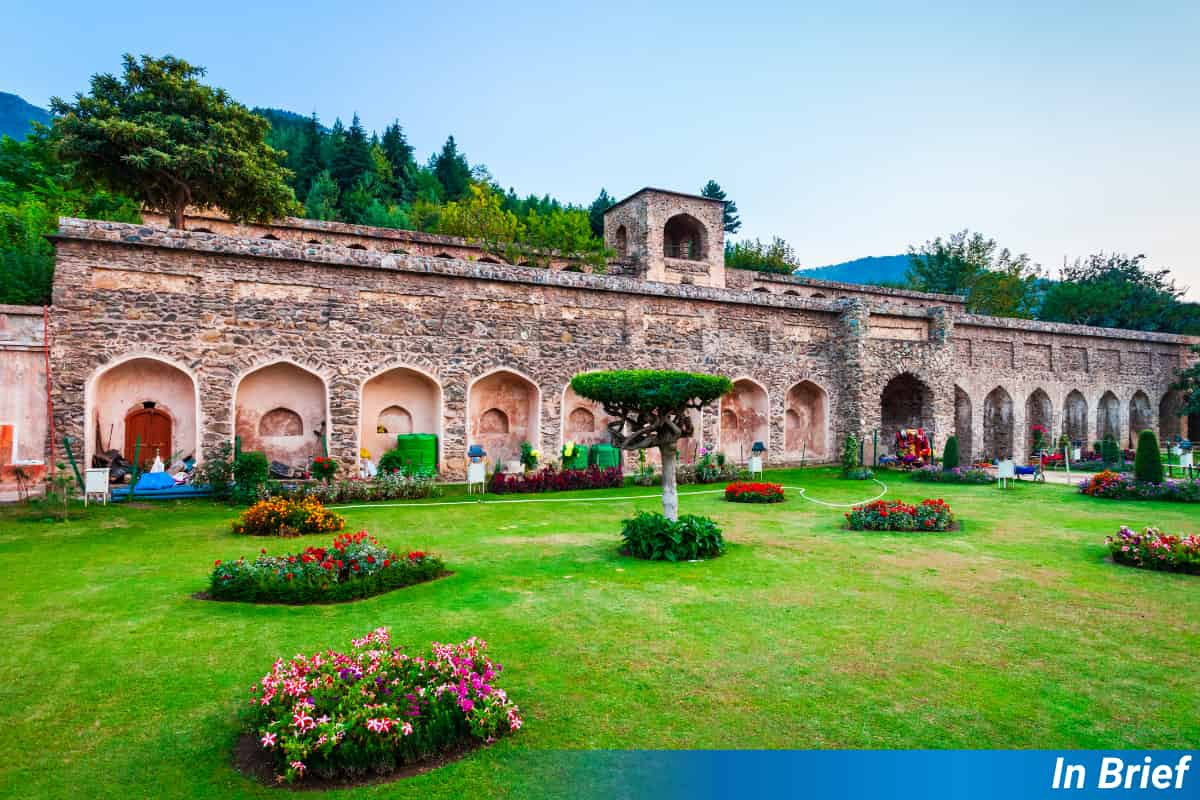



Hosseini and colleagues examine the complex world of historic gardens, examining how these living artefacts are recognised and protected globally. By analysing international regulations, national laws, and academic literature, the researchers uncover significant gaps in the understanding and preservation of garden heritage. Their findings reveal a pressing need for a more comprehensive approach to safeguarding these irreplaceable cultural landscapes.
The study reveals striking disparities in how historic gardens are recognised and protected worldwide. Only a fraction of countries have specific legal provisions for these sites, with most lumping them under broader heritage categories. Notably, the botanical elements – the bit that makes them gardens – are explicitly recognised by only four countries in their legal frameworks. Academic research also highlights the multifaceted nature of garden identity, encompassing historical, artistic, and social values.
The researchers employed a comprehensive approach to analyse historic garden identity. They studied documents from UNESCO, ICCROM, and ICOMOS, focusing on keywords like “nature,” “landscape,” “site,” and “garden.” National cultural heritage laws were examined, with particular attention to garden-related terminology. They also conducted a review of scientific literature, exploring various aspects of garden identity. This multi-pronged strategy allowed for a broad understanding of how historic gardens are perceived and categorised globally.
Historic gardens have only recently gained recognition as cultural heritage. Before the 1960s, they were primarily viewed as scenic backdrops to monuments. The shift from ‘maintenance’ to ‘management’ in conservation documents reflects a growing appreciation of gardens as repositories of intangible heritage. However, the study reveals that botanical elements, despite being fundamental to garden identity, are often undervalued in legal and literary frameworks.
“The analysis highlights the need for more focus on international regulations, scientific literature, national laws on the identity of historic gardens, and the few countries with a dedicated category and legal structure for them… In the literature, the knowledge of the floristic detail to accurately reflect the culture of the garden at its origin is often under looked… The significant role of plants in defining and maintaining the identity of historic gardens indicates a need for clearer recognition in heritage frameworks.”
Hosseini, Z., Bartoli, F., Pontrandolfi, M.A., & Caneva, G. (2024). Identity of a historic garden: The view of the international literature and committees on the role of the botanical elements. Urban Forestry & Urban Greening, 101, 128501. https://doi.org/10.1016/j.ufug.2024.128501 ($)