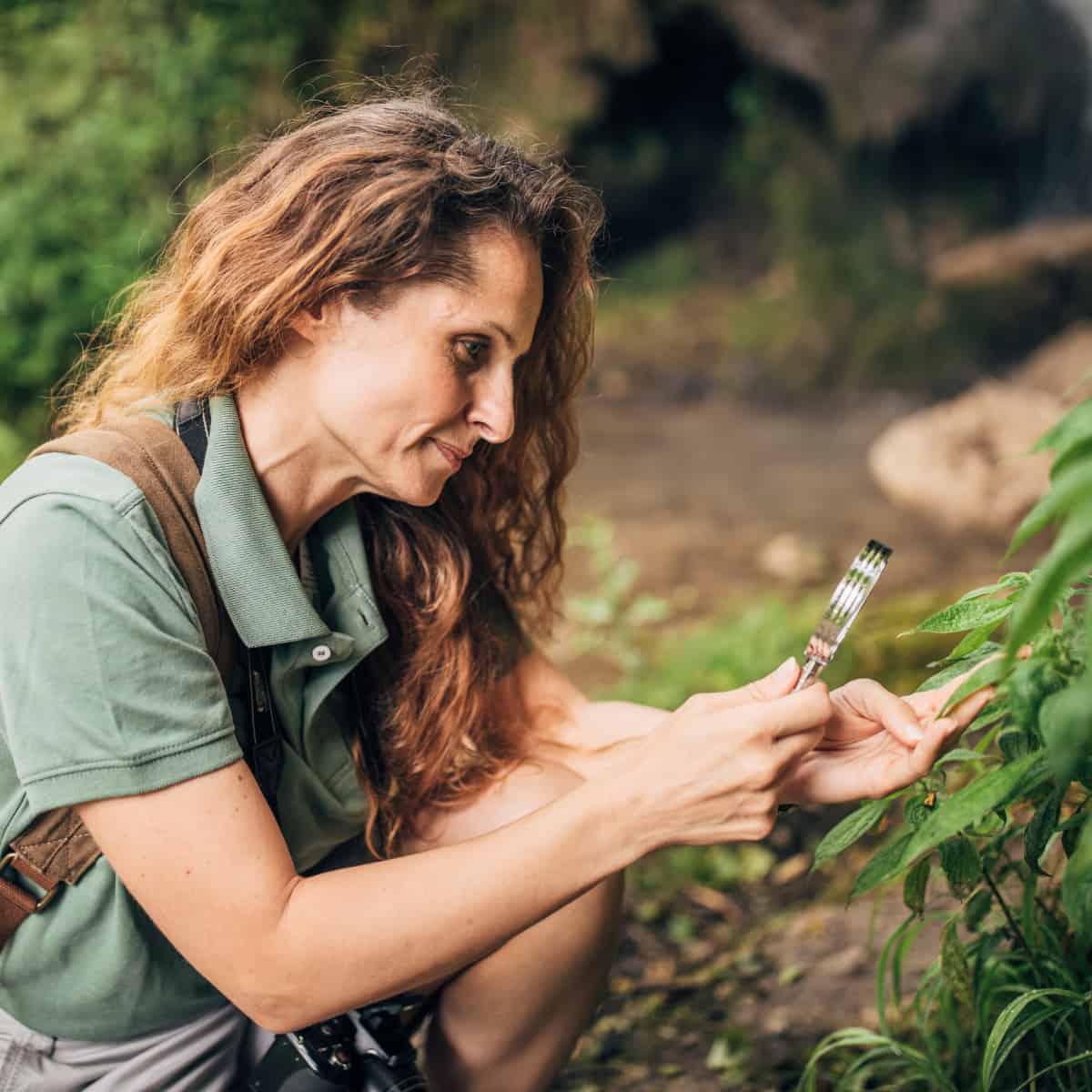


If you stop and ask someone to name five animals, answers come quickly. But ask for five plants, and the pause is often longer. Perhaps they come up with rose, oak, or sunflower. This blind spot has a name: plant awareness disparity or plant blindness which means people often fail to notice plants around them, understand what makes them unique, or appreciate how important plants are for life. Recognizing this challenge, a recent article in Annals of Botany shows that using audio-visual and artistic references in botany classes boosts student engagement, motivation, and performance, while helping them notice and appreciate plants more.
The research led by Gláucia Silva thought about why it is that people show so little interest in plants, especially compared with animals. One explanation lies in the classroom. Botany is often taught with old-fashioned lectures, heavy on memorisation, with little creativity. Many teachers themselves have had little formal training in botany, and the cycle continues: low engagement by teachers leads to low engagement by students. The result is a population that doesn’t see plants as central to daily life.
The consequences of this plant blindness are far beyond education. Low awareness of plants weakens the relationship between people and plants, leading to a lack of perception of plant-based foods, a disconnect between plants and climate change, biodiversity loss, and little recognition of the role of vegetation in preventing desertification, improving soils, and purifying water.
So how do we break the cycle? The authors believe part of the answer lies in art and pop culture. By using music videos, and visual art as a starting point, they experimented with ways to make botany not just accessible, but appealing or even fun.
The approach builds on the idea of “advance organizers.” These are tools teachers use to connect what students already know to what they are about to learn. These organizers help make new knowledge less abstract and easier to absorb. In this case, teachers used Taylor Swift music videos, song lyrics, and album covers featuring plants at the start of each class to introduce new lessons on different botanical topics, including Bryophytes and Pteridophytes, Gymnosperms, Angiosperms, and plant awareness disparity itself.
The results were surprising. Students taught with this new method improved their participation and motivation. Moreover, they began using botanical terms spontaneously. Complaints about theoretical botany dropped. Academic performance improved, as did teamwork in group projects. Teachers also reported that their relationships with students improved: the classroom felt more like a collaborative exploration than a one-way lecture. Perhaps most importantly, the emotional connection between students and plants deepened.
The authors consider this teaching method is promising and can be applied to materials from other artists, bands, films, series and documentaries. Any medium that includes botanical elements can open opportunities for scientific observation through art and pop culture, bringing plants into our daily lives. Doing so requires creativity, empathy, and a willingness to meet students where they already are.
READ THE ARTICLE
Silva G., Versieux L., Mezzonato A. Mattos Al. (2025) “Dance with plants: Taylor Swift’s music videos as advance organizers for meaningful learning in Botany” Annals of Botany. Available at: https://doi.org/10.1093/aob/mcaf183