


Germination of species with hard woody indehiscent endocarps has troubled seed scientists for many years. To understand how germination is regulated in such species Chia et al. show that the conditions required for dormancy loss and germination are effectively revealed through burial trials matched with environmentally relevant laboratory experiments on a representative species, Persoonia longifolia, from southern Western Australia.
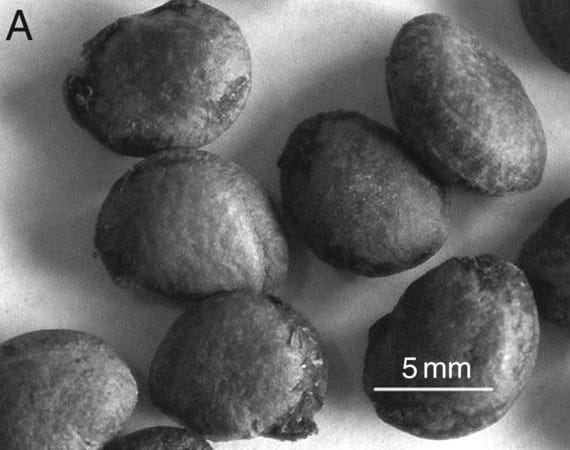
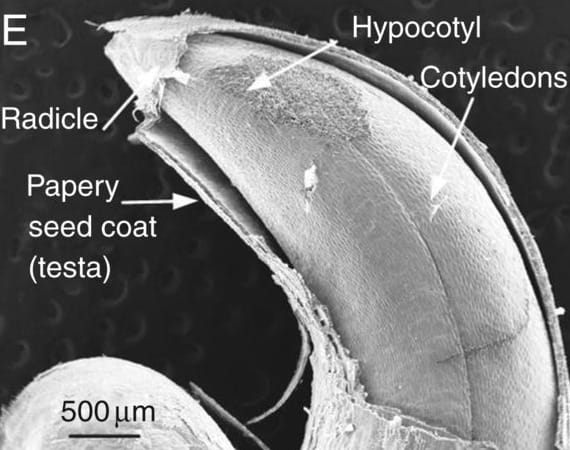
External and internal structure of Persoonia longifolia endocarps and seeds. Clean endocarps. Image Chia et al. (2016).
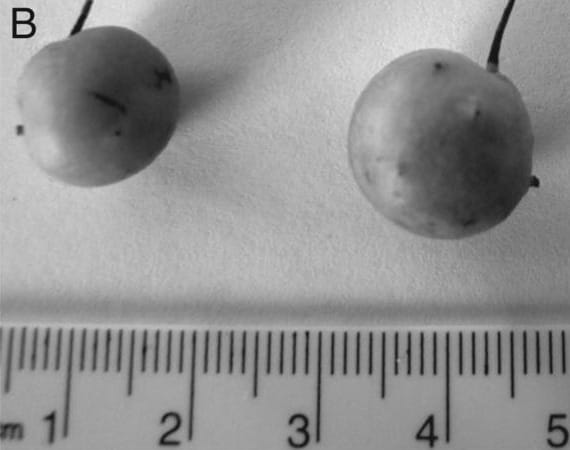
External and internal structure of Persoonia longifolia endocarps and seeds. Mature fresh fruit. Image Chia et al. (2016).
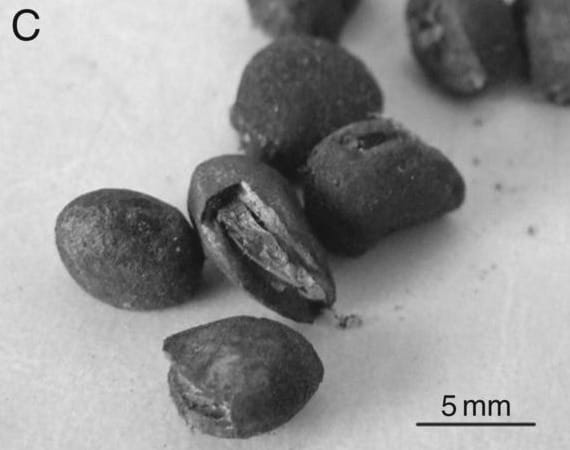
External and internal structure of Persoonia longifolia endocarps and seeds. Aged endocarps with lid detached. Image Chia et al. (2016).
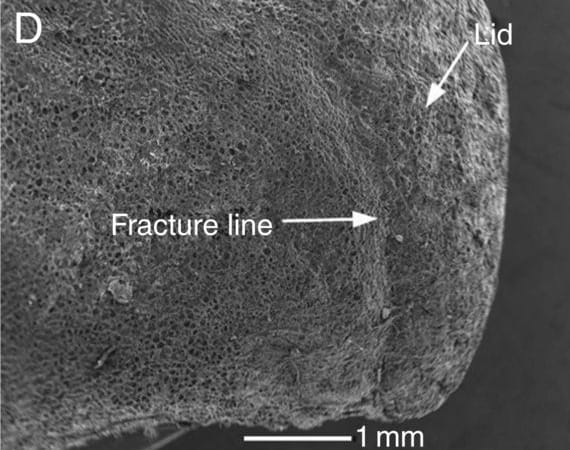
External and internal structure of Persoonia longifolia endocarps and seeds. SEM image of the endocarp fracture line. Image Chia et al. (2016).
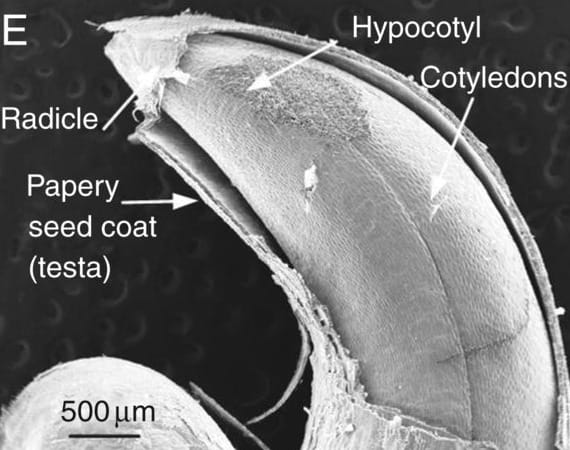
External and internal structure of Persoonia longifolia endocarps and seeds. SEM of P. longifolia seed. Image Chia et al. (2016).
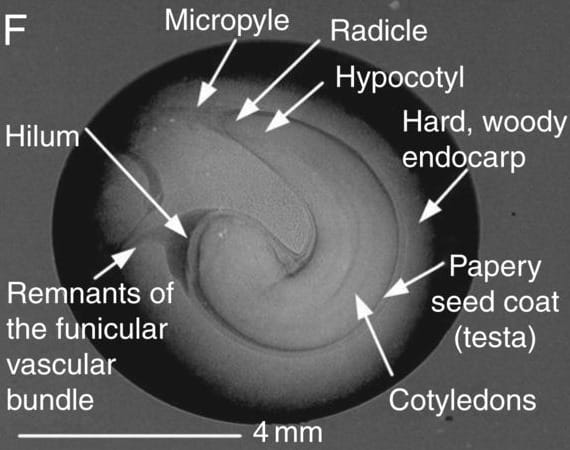
External and internal structure of Persoonia longifolia endocarps and seeds. X-ray image of the internal structure of P. longifolia endocarp and seed. Image Chia et al. (2016).
This approach allowed the authors to identify the key drivers of dormancy loss through a comprehensive series of experiments executed over five years which revealed that warm plus cold stratification is required to break physiological seed dormancy in P. longifolia.