
Plant species distributions are expected to shift in response to climate change, however these range shifts are likely to vary across species. There is growing evidence suggesting that biotic interactions play key roles in these species-specific responses to climate change. Climate change influences virtually every type of biotic interaction, however, biotic interactions are rarely incorporated into models of organismal responses to climate change. Soil microbial communities and their interactions with plants are particularly important to consider. Yet, while there is strong evidence for an increase in aboveground plant pathogens with warming, little is known about the effects of warming on below-ground pathogens and their effects on native and non-native plant populations.

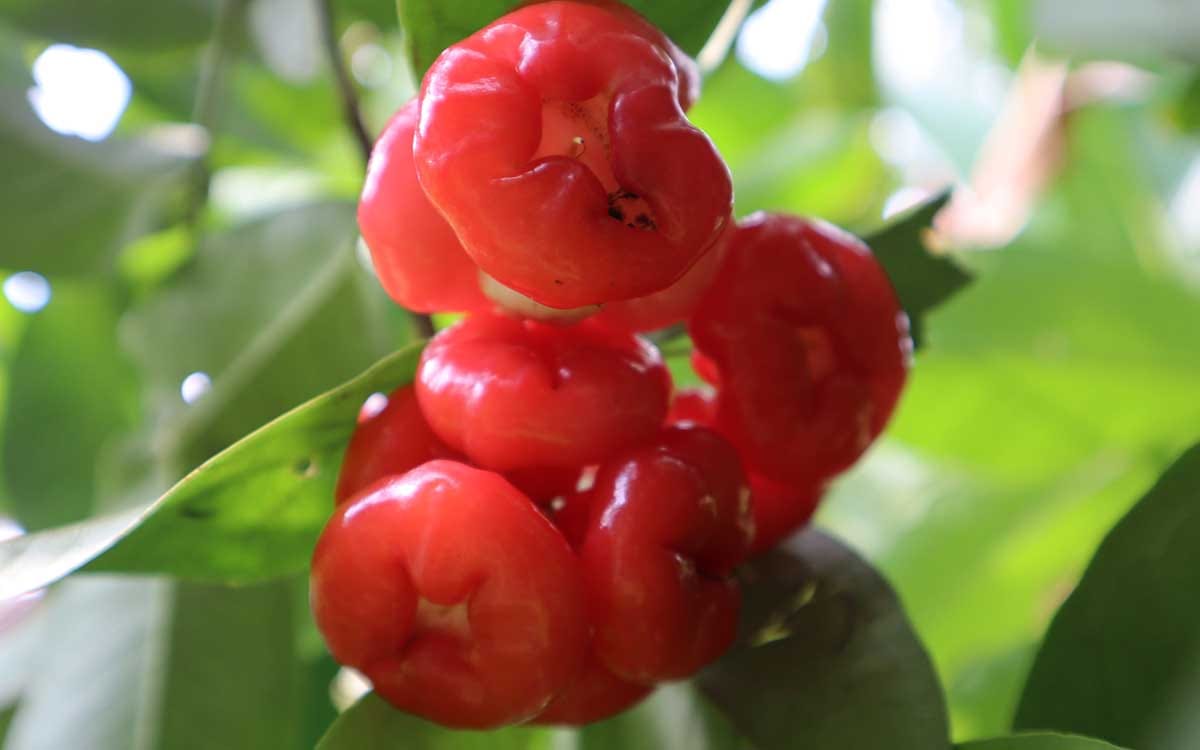
In their new study published in AoBP, von Holle et al. evaluated the effects of site, plant–soil microbe interactions, altered climate, and their interactions on the growth and germination of three closely related shrub species, two native to southern and central Florida (Eugenia foetida and E. axillaris), and one non-native invasive from south America (E. uniflora). Their results show that in the predicted future range under elevated temperatures, plant interactions with microbes (microscopic bacteria, fungi, viruses and other organisms) appeared as a form of biotic resistance to one of the native species and the non-native shrub. However, a positive relationship with soil microbes allowed the other native species E. foetida to flourish under warmer temperatures. The authors highlight that plant – microbe interactions for the two native species depended on the geographic origin of the soils, which may affect their ability to expand their ranges under future warming. They hope that future research will build upon their results and help to clarify the roles of plant–soil microbe interactions on native and non-native species range expansion in a rapidly changing world.
Researcher highlight
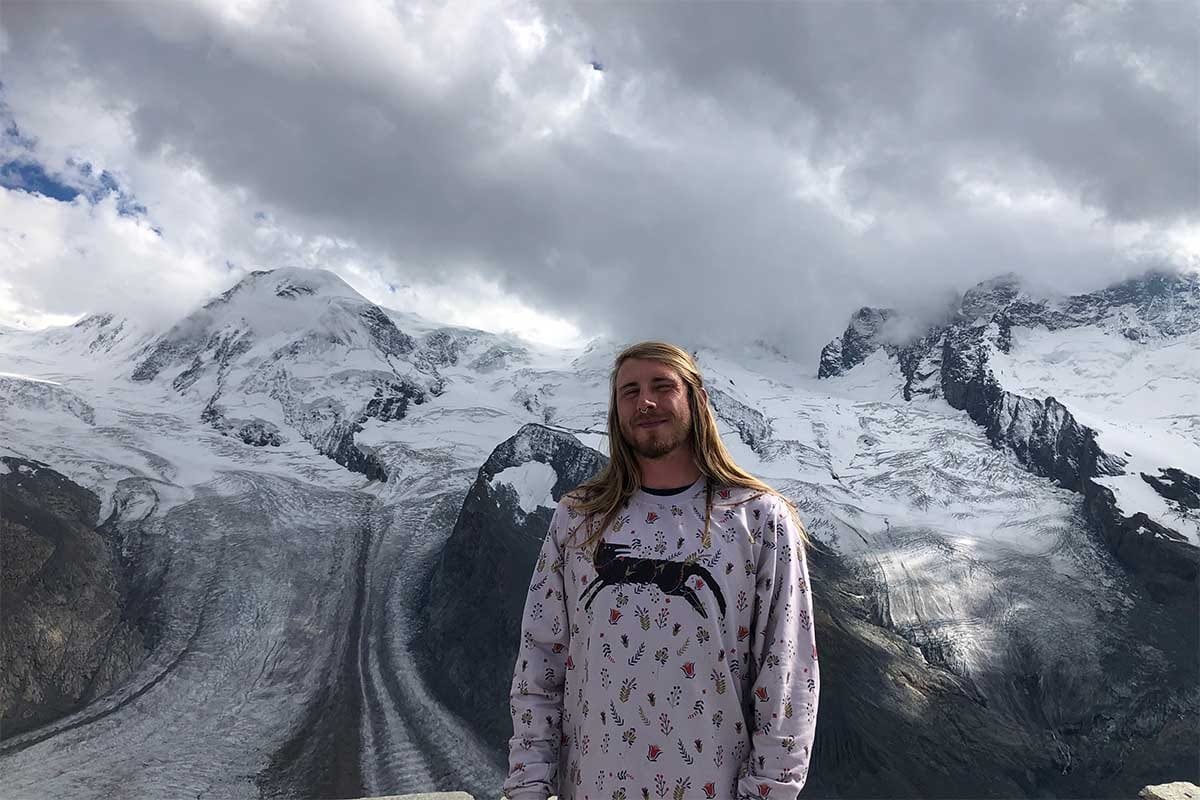
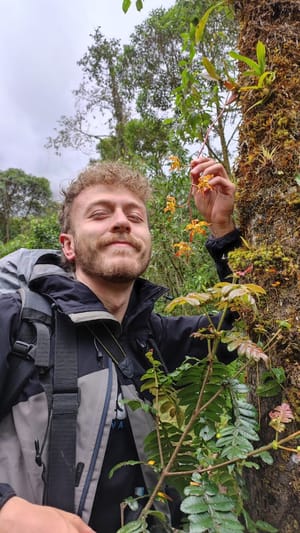
Sören Weber grew up in Florida and moved in 2014 to California to conduct a MSc in Plant Biology at the University of California, Riverside. Sören is currently studying for a PhD with Dr. Pascal Niklaus in the Institut für Evolutionsbiologie und Umweltwissenschaften at the University of Zürich, Switzerland. He tries to spend his free time hiking, climbing and mushroom hunting.
Sören is an arbuscular mycorrhizal (AM) ecologist interested in understanding how the functional differences in AM fungi and plants influences biodiversity ecosystem functioning. Sören has previously worked with AM fungi and plants in Florida, Colorado, California and Costa Rica. He is also interested in understanding how plants and lichen interact in alpine communities.