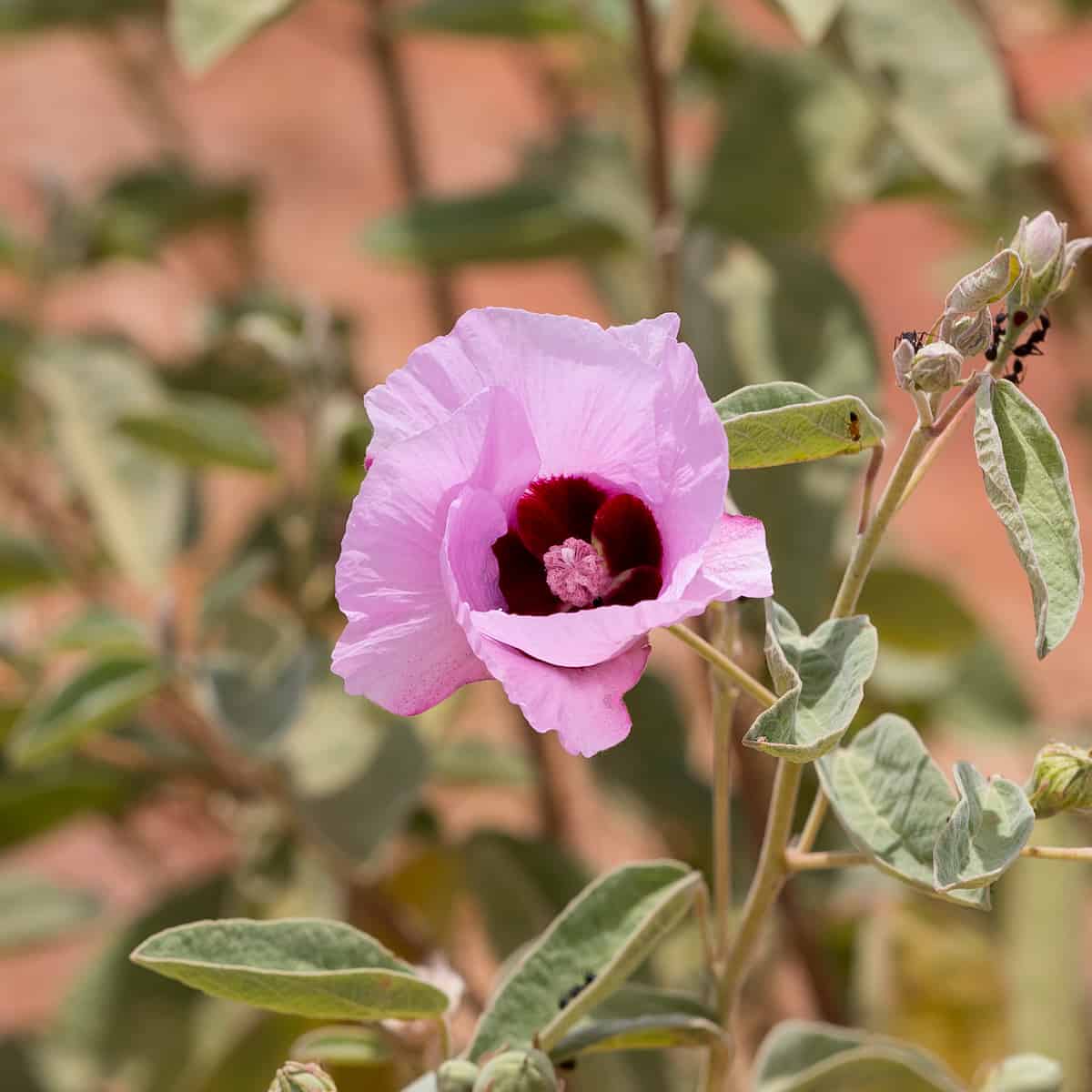
Four wild Australian cotton species thrive in high heat, unlike commercial cotton. These wild species could be used to breed heat tolerance into commercial cotton.
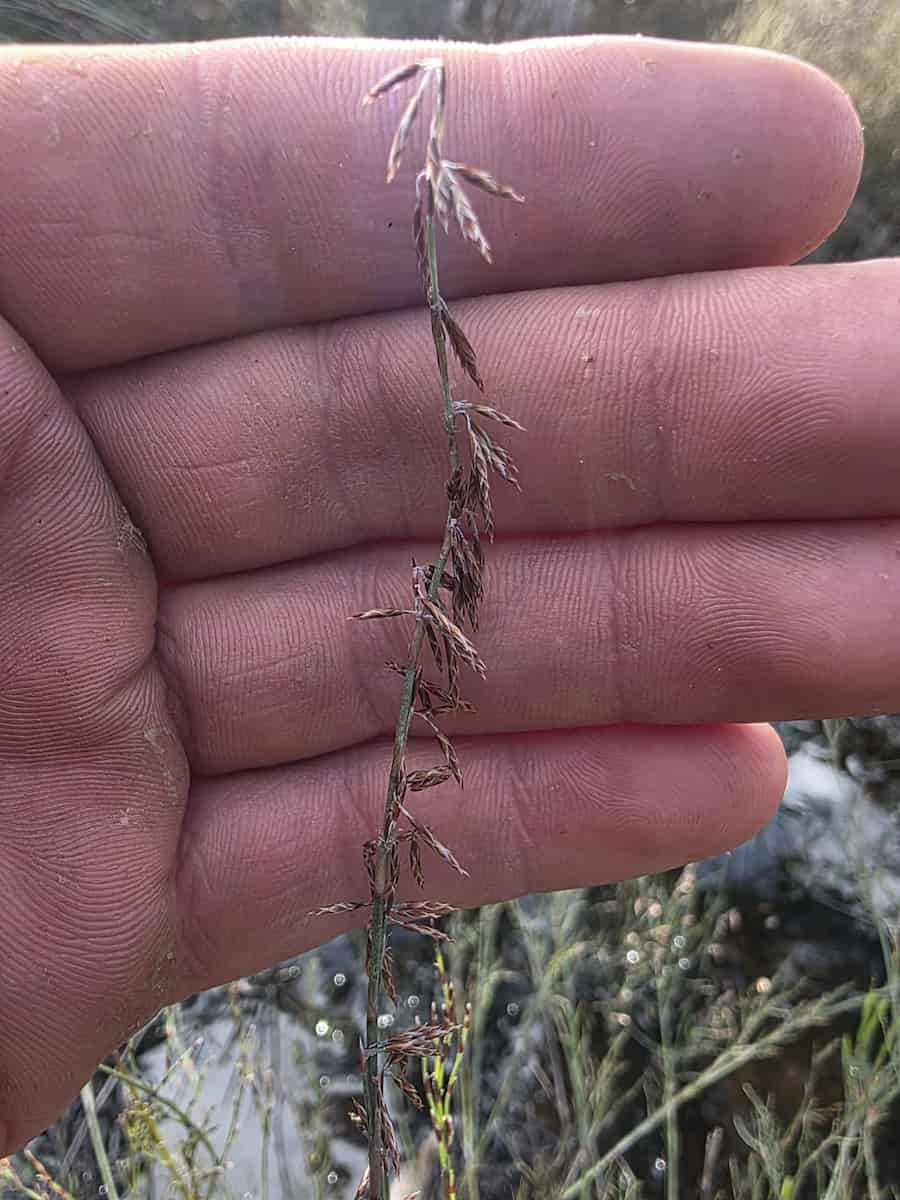
Scientists have studied the morphology of male and female Leptocarpus denmarkicus spikelets, offering new insights into the evolutionary plasticity of flower development and seed dispersal within the Poales.
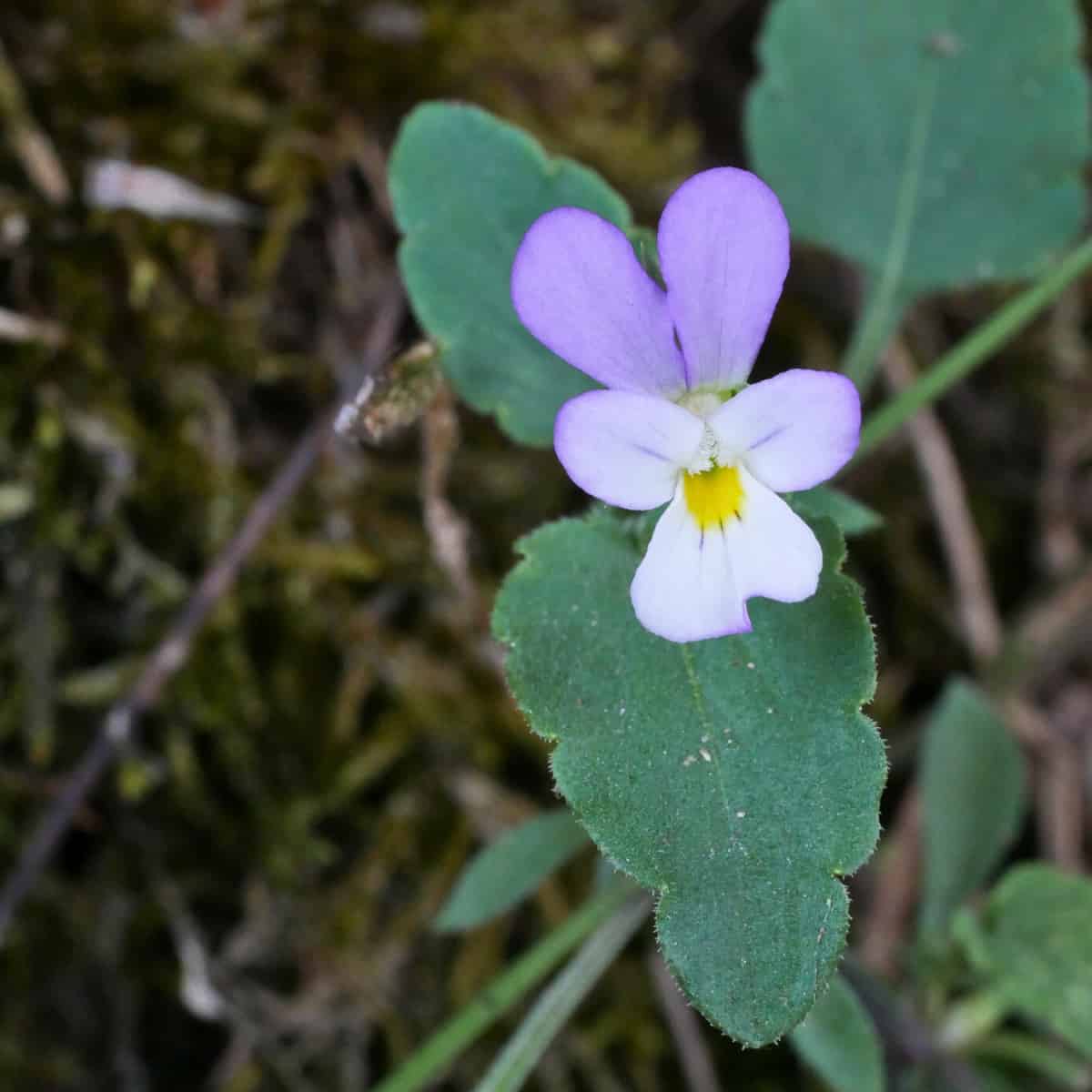
Viola metallophytes have evolved the rare capacity to tolerate toxic metals, allowing them to thrive in the harsh soils of Allchar, North Macedonia. Scientists now know that two closely related Viola species have evolved different tolerance mechanisms – opening up an interesting case of convergent e
Losing immunity receptor genes makes these crops more susceptible to disease, but wild relatives can be used to better understand these genes and help breed hardier crops.
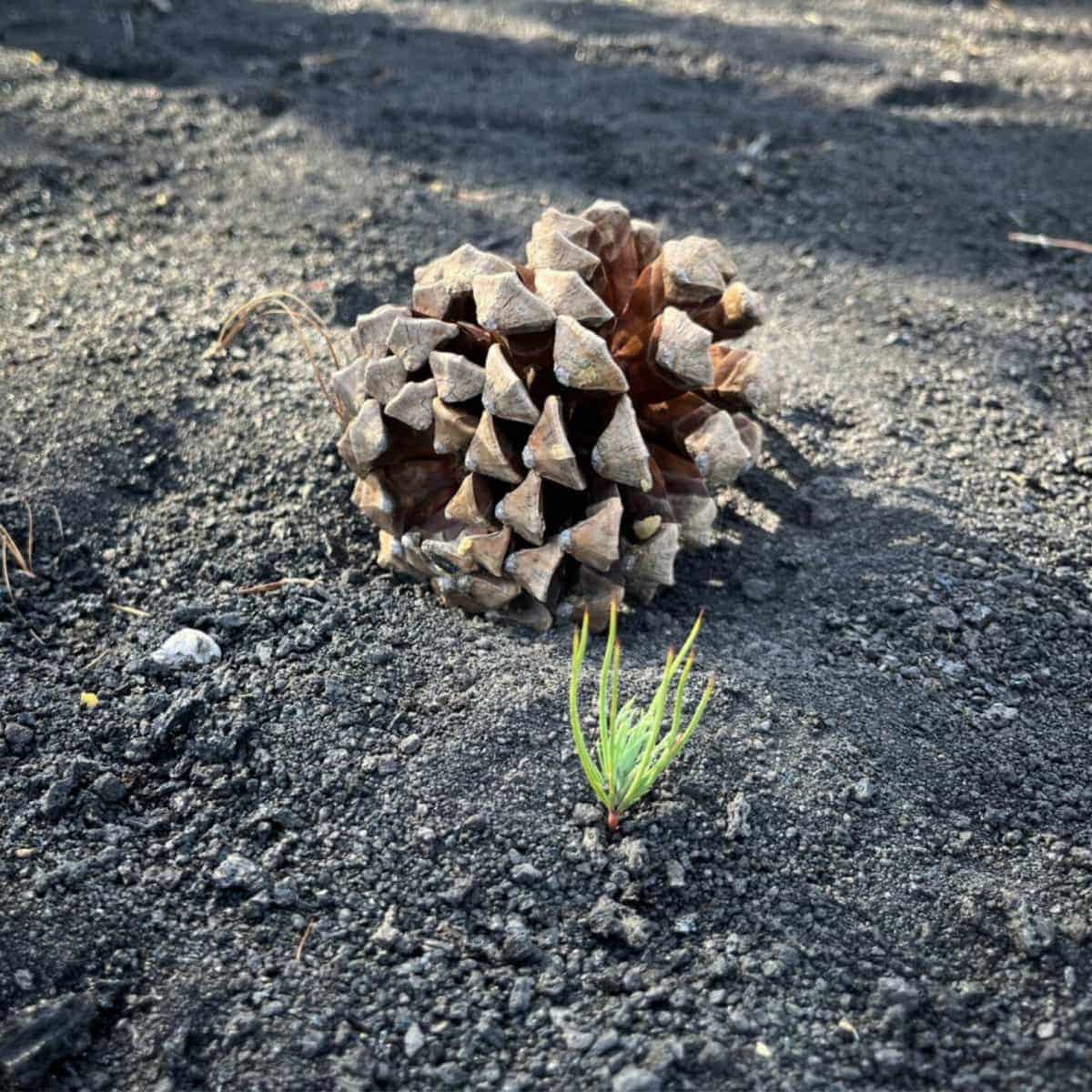
5 cm of volcanic ash leads to the loss of seedling emergence on the volcanic island of La Palma in the Canary Islands, likely affecting succession for decades after a recent eruption.
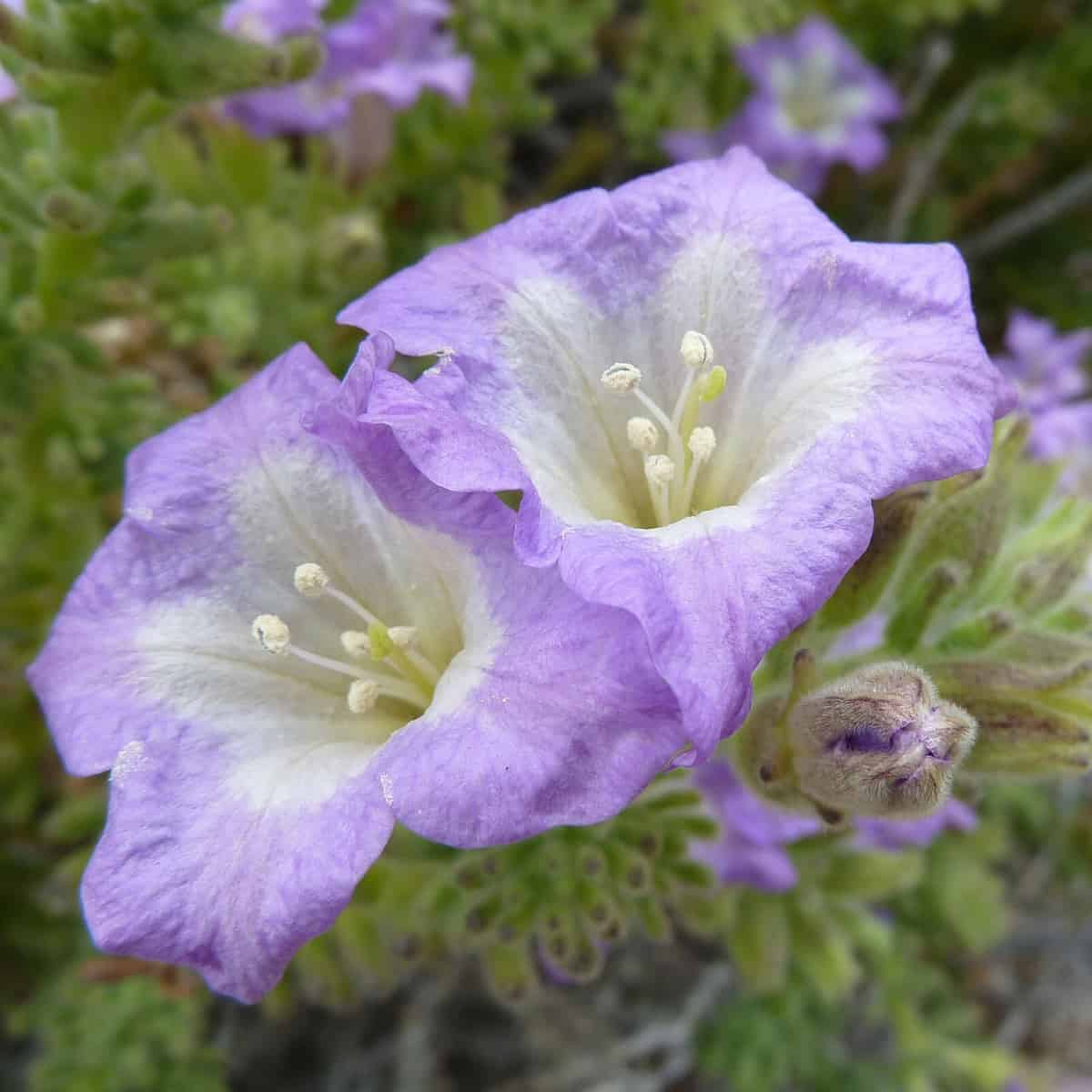
The dream of crops that could drink seawater has taken a hit as botanists prove that Nolana mollis, a desert survivor long believed to hydrate itself from atmospheric brine, actually relies on conventional deep-root water uptake to survive Chile’s bone-dry Atacama Desert.