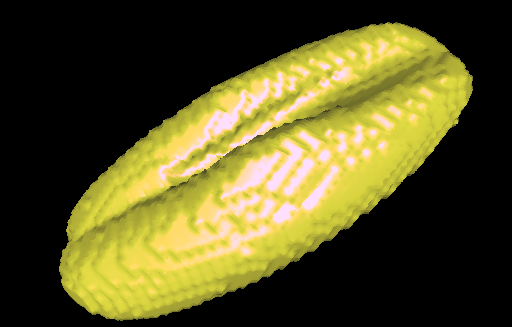
Computational Models
Measuring the hidden phenotype using novel mathematical techniques
A new study quantifies the shape of barley seeds using topological methods.


Writer
Rachel (she/her) is a Founding and Managing Editor of in silico Plants. She has a Master’s Degree in Plant Biology from the University of Illinois. She has over 15 years of academic journal editorial
Computational Models
A new study quantifies the shape of barley seeds using topological methods.
Computational Models
Un nuevo estudio cuantifica la forma de las semillas de cebada utilizando métodos topológicos.
Cells, Genes & Molecules
Integrating plant functioning at organ scale can simulate the phenotypic plasticity of plants.
Computational Models
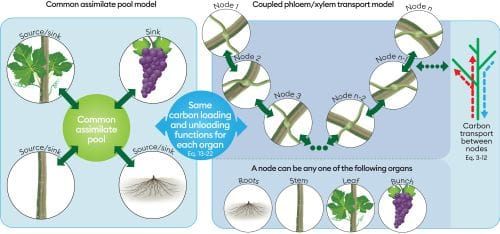
A new study compares the accuracy of carbohydrate allocation and transport models for grapevine.
Computational Models
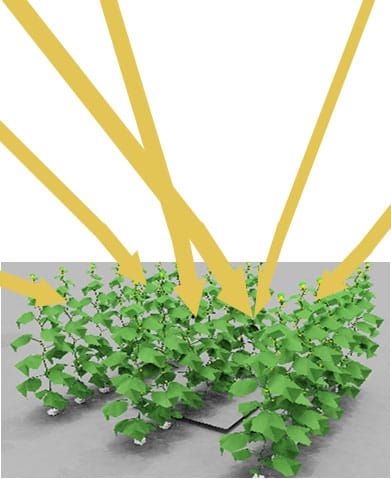
Researchers compare trade-offs between simplicity and accuracy when modelling greenhouse cucumber canopies.
Cells, Genes & Molecules
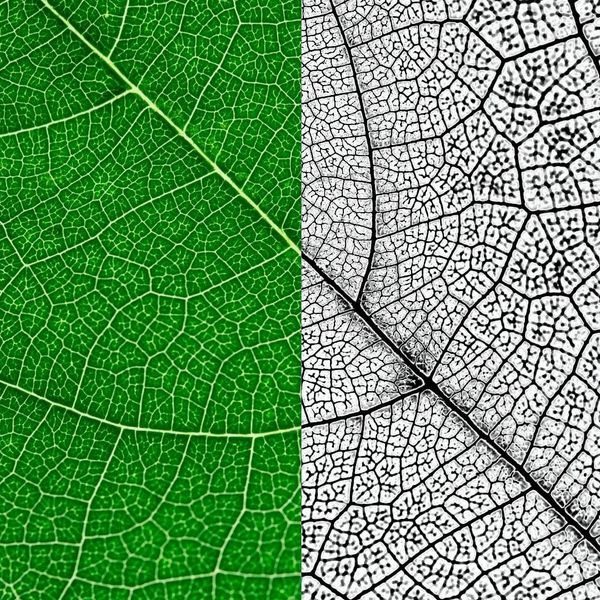
Polar auxin transport dynamics control vein patterning.
Computational Models
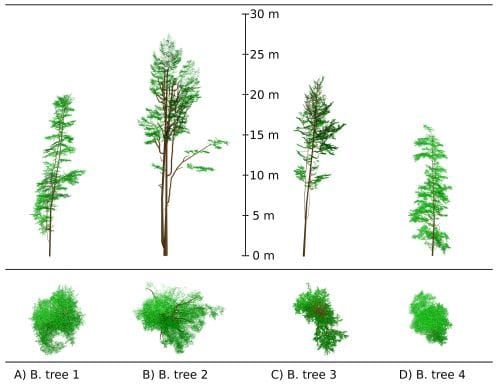
A new algorithm supports the detailed reconstruction of a variety of trees from a small amount of input data.
Computational Models
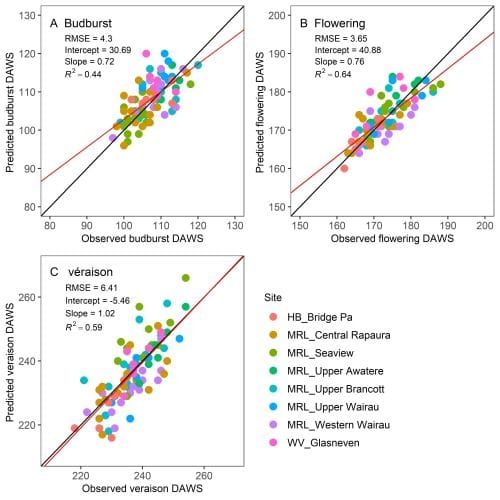
A new perennial fruit crop accurately depicts phenology, light interception, carbohydrate allocation and reserve dynamics, and yield components.
Computational Models
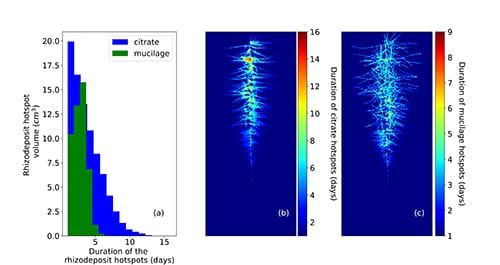
A new model simulates rhizodeposition patterns around growing and exuding root systems.
Cells, Genes & Molecules
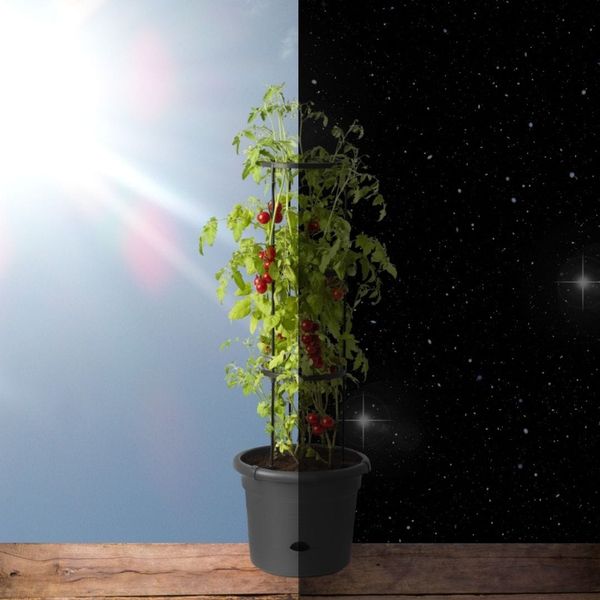
Recalibrating models using absolute – instead of relative – mass units makes it possible to test modelled transcription rates against biochemical data.
Computational Models
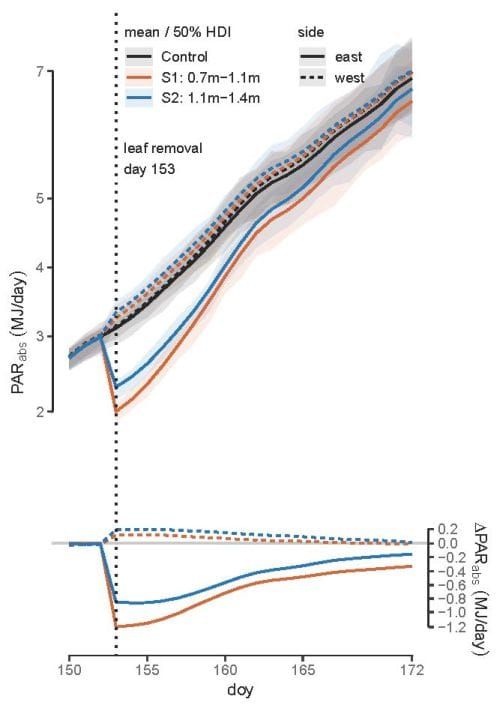
Computational models simulate grapevine management and provide information on how this affects canopy light absorption.
Computational Models
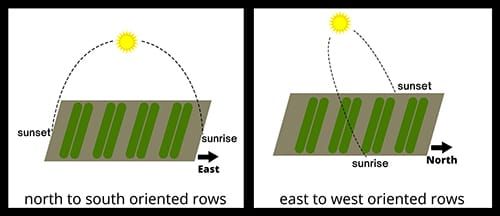
A new study challenges the conventional wisdom of row orientation.