annals-of-botany
Climate change and the decline of a foundation tree species
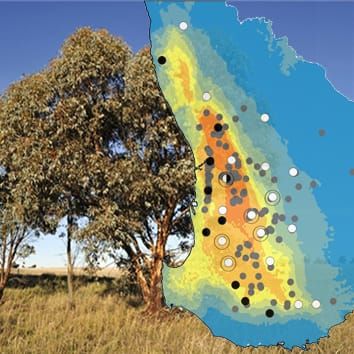
A worldwide increase in tree decline and mortality has been linked to climate change, and where these represent foundation species this can have important implications for


Writer
The Annals of Botany Office is based at the University of Oxford.
annals-of-botany
A worldwide increase in tree decline and mortality has been linked to climate change, and where these represent foundation species this can have important implications for
annals-of-botany
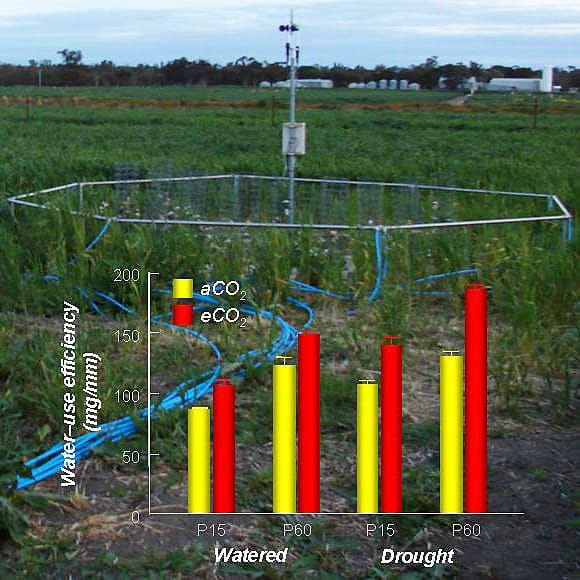
Benefits to crop productivity arising from increasing CO2 fertilization may be offset by detrimental effects of global climate change, such as an increasing frequency of drought.
annals-of-botany
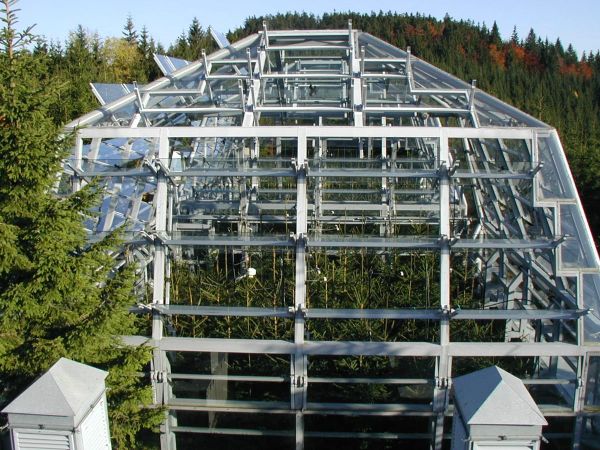
Plants growing under elevated atmospheric CO2 concentrations often have reduced stomatal conductance and subsequently increased leaf temperature. Šigut et al. find that this is indeed the
annals-of-botany
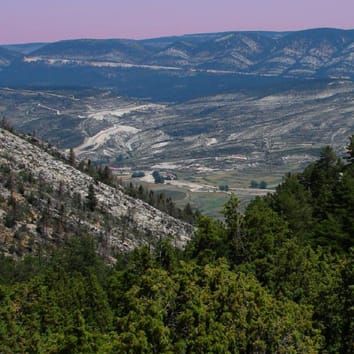
Although extreme climatic events such as drought are known to modify forest dynamics by triggering tree dieback, the impact of extreme cold events, especially at the
annals-of-botany
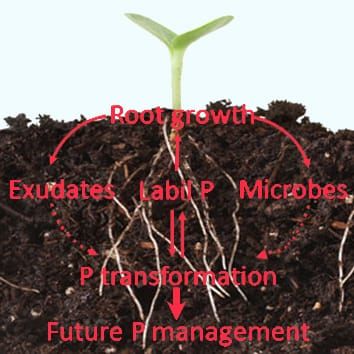
Increasing attention is being focused on the influence of rapid increases in atmospheric CO2 concentration on nutrient cycling in ecosystems. An understanding of how elevated CO2
annals-of-botany
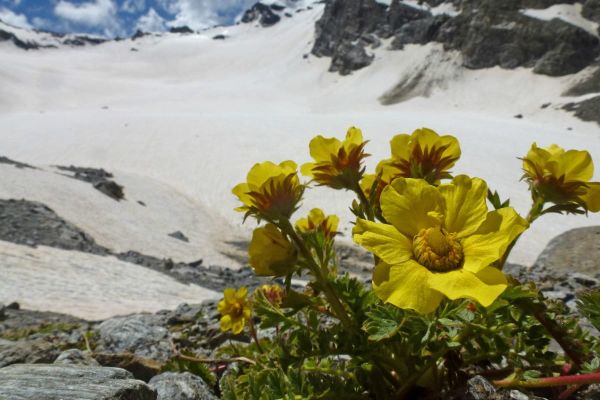
Glacier foreland plants are highly threatened by global warming. Regeneration from seeds on deglaciated terrain will be crucial for successful migration and survival of these species,
annals-of-botany
Although flower nectar yield is well known to be temperature dependent, the effects of climate change on the availability of nectar to pollinators have rarely been
annals-of-botany
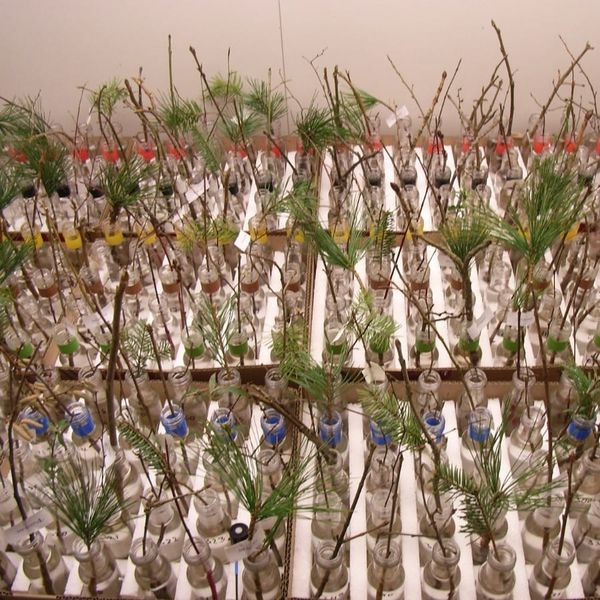
Climate change has altered the spring phenology of many temperate plants, with important ecological consequences. However, studies of phenological shifts are generally restricted to field observations
annals-of-botany
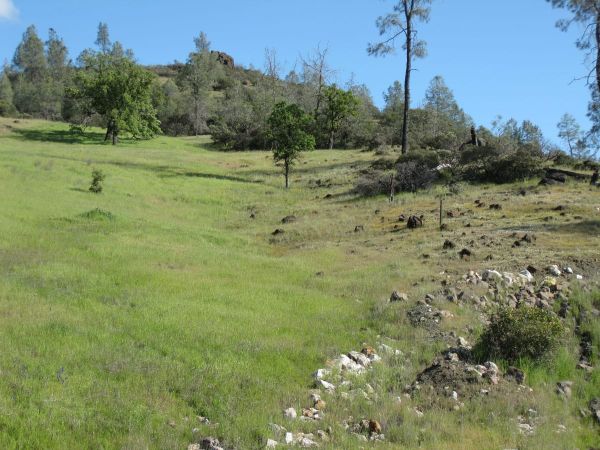
The environmental and biotic context within which plants grow have a great potential to modify responses to climatic changes, yet few studies have addressed both the
annals-of-botany
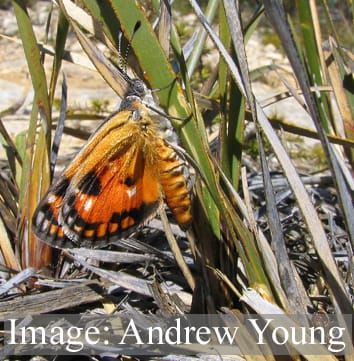
Sword and rapier sedges (Lepidosperma, Cyperaceae) are common in the southern Australian and New Zealand floras, also occurring in New Caledonia and South-east Asia. Sedge
annals-of-botany
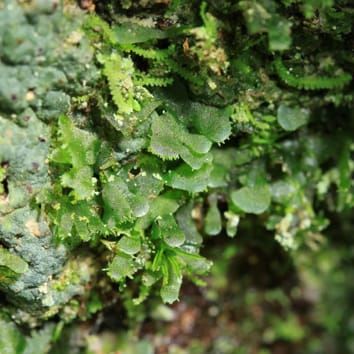
DNA identification of vittarioid gametophytes in the field.
annals-of-botany
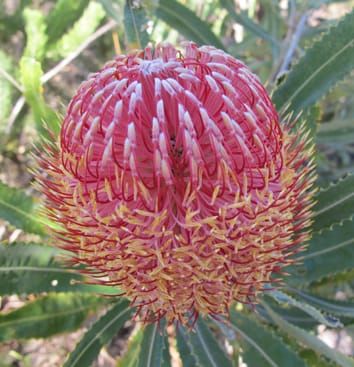
A trade-off may exist between the capacity of plants to downregulate their phosphorus uptake capacity and the efficiency of resorption from leaves in severely impoverished environments.