annals-of-botany
Sustainable intensification in agricultural systems (Invited Review)
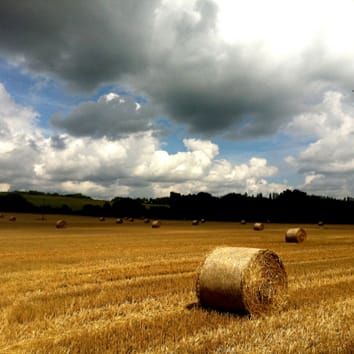
Sustainable intensification (SI) is a process or system where agricultural yields are increased without adverse environmental impact.

annals-of-botany
Sustainable intensification (SI) is a process or system where agricultural yields are increased without adverse environmental impact.
annals-of-botany
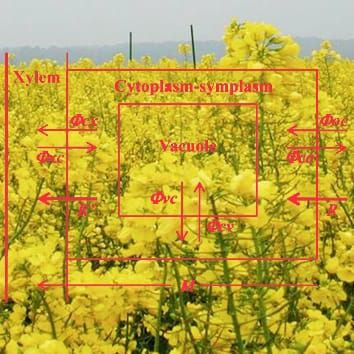
Flow–Force theory can be combined easily with changes in the nitrate influx rate induced by climatic and in planta factors formalized by polynomial curves.

annals-of-botany
Combining neutron and fluorescence imaging allows study of the spatiotemporal patterns of oxygen, pH and water content distribution in lupin rhizospheres.
annals-of-botany
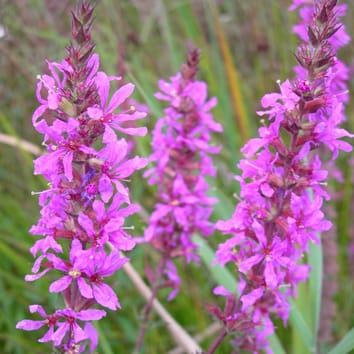
A study of the invasive plant Lythrum salicaria distinguishes between competitive effects and responses of invasive and native plants.
annals-of-botany
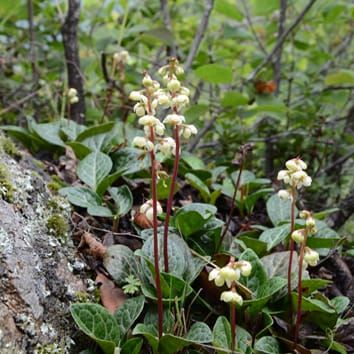
A study finds that three circumboreal lineages of Pyrola have arisen independently, and at least two of these appear to have originated in Asia.
annals-of-botany
A combination of phylogeography and species distribution modelling methods identify the responses of Cryptomeria japonica, to past climatic changes.
annals-of-botany
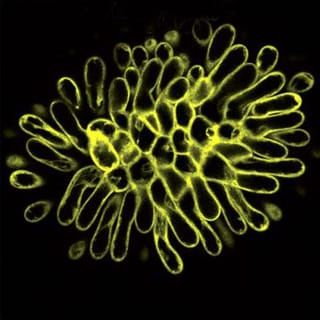
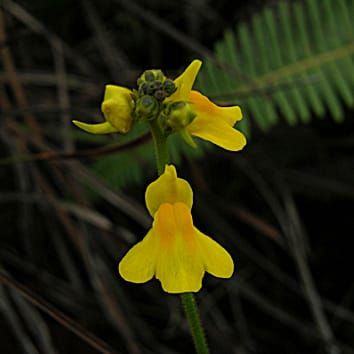
Measurements of nuclear genome sizes from cultivated plant material for a comprehensive taxon sampling that includes nearly half of all species in Genlisea.

annals-of-botany
Increased dispersal ability in Brassiceae can influence macro-evolutionary processes, possibly by increasing the propensity for long-distance dispersal.
annals-of-botany
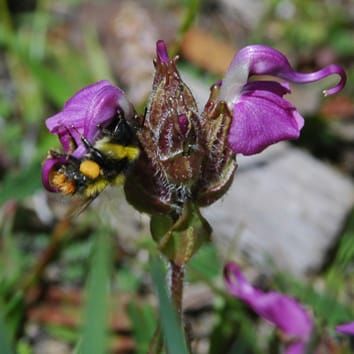
Bumble-bee workers assort themselves among Pedicularis species according to size, adjusting their buzzing behavior in relation to the species’ floral traits
annals-of-botany
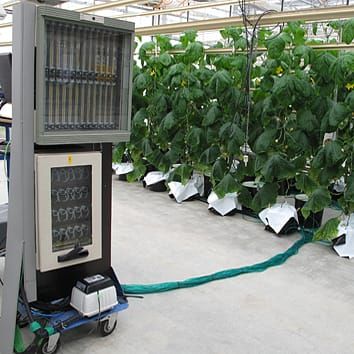
Kläring et al. find that removing all fruit from the cucumber plant results in a doubling of the root-zone respiration within a few hours.
annals-of-botany
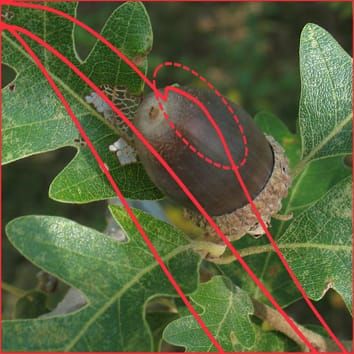
A study finds that four Quercus species adapted to arid and semi-humid climates still produce recalcitrant seeds.

annals-of-botany
One cause of the yield advantage in the ‘three sisters’ polyculture is that the crops have different, possibly complementary, root foraging strategies.