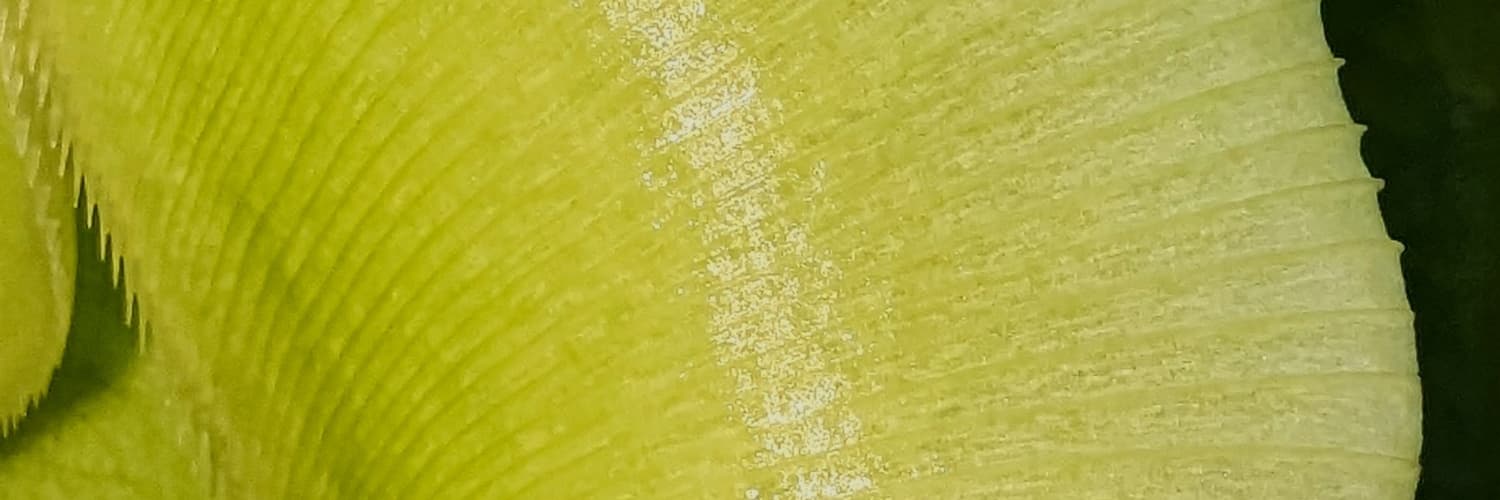
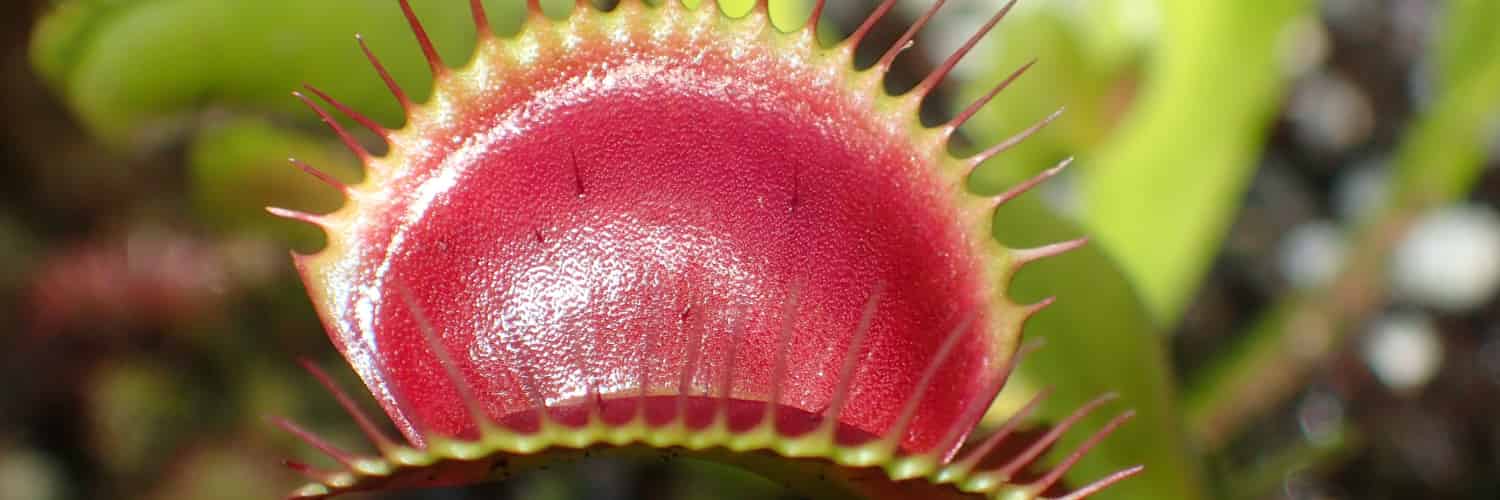
A novel approach uniting maths, physics, and biology has uncovered how diverse rim shapes in carnivorous pitcher plants relate to strategies for catching different insect prey.
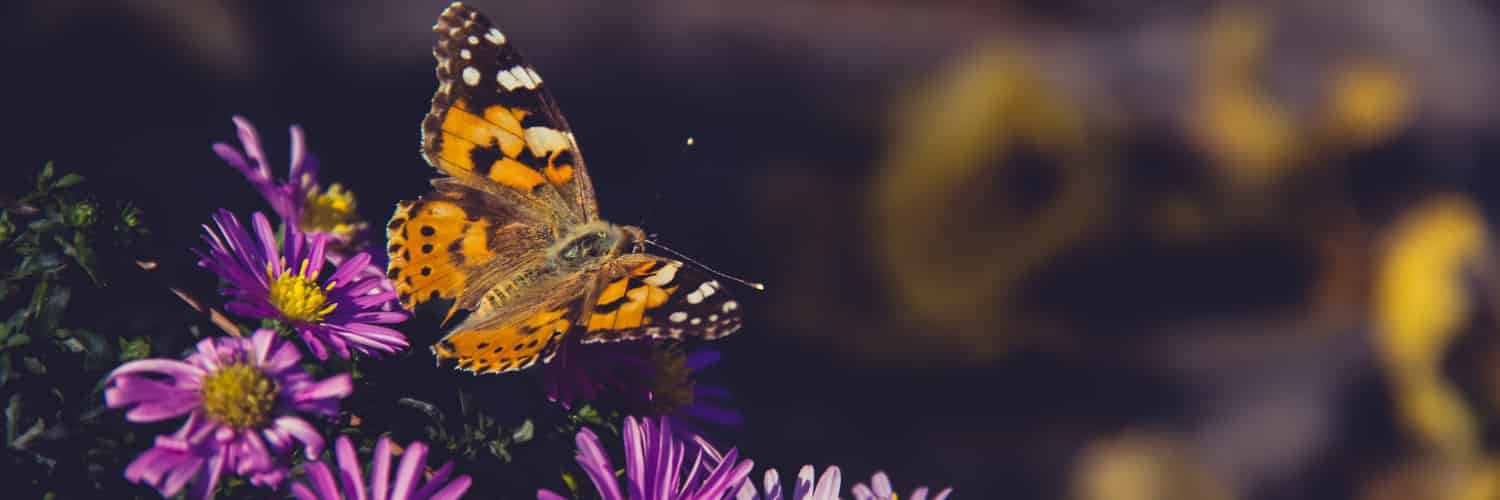
Scientists find that common floral compounds become more toxic to butterflies at higher temperatures, complicating projections of climate change impacts.
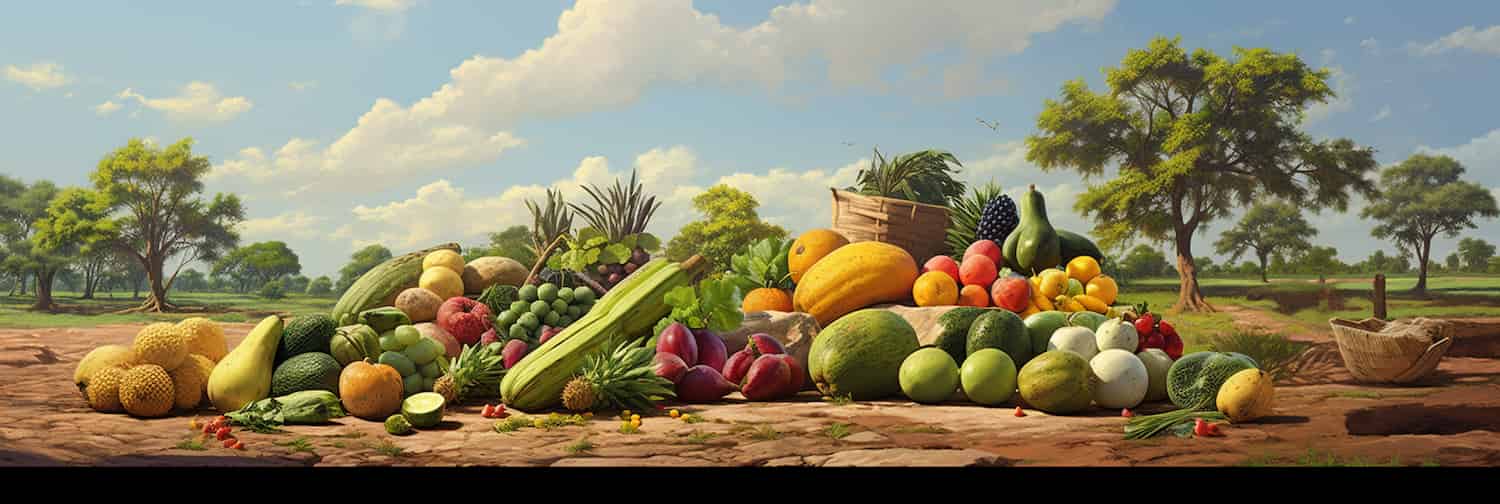
Tracing the phylogenetic patterns in native edible plants of Mexico shows how indigenous cultures have sustainably utilized regional botanical diversity for millennia.
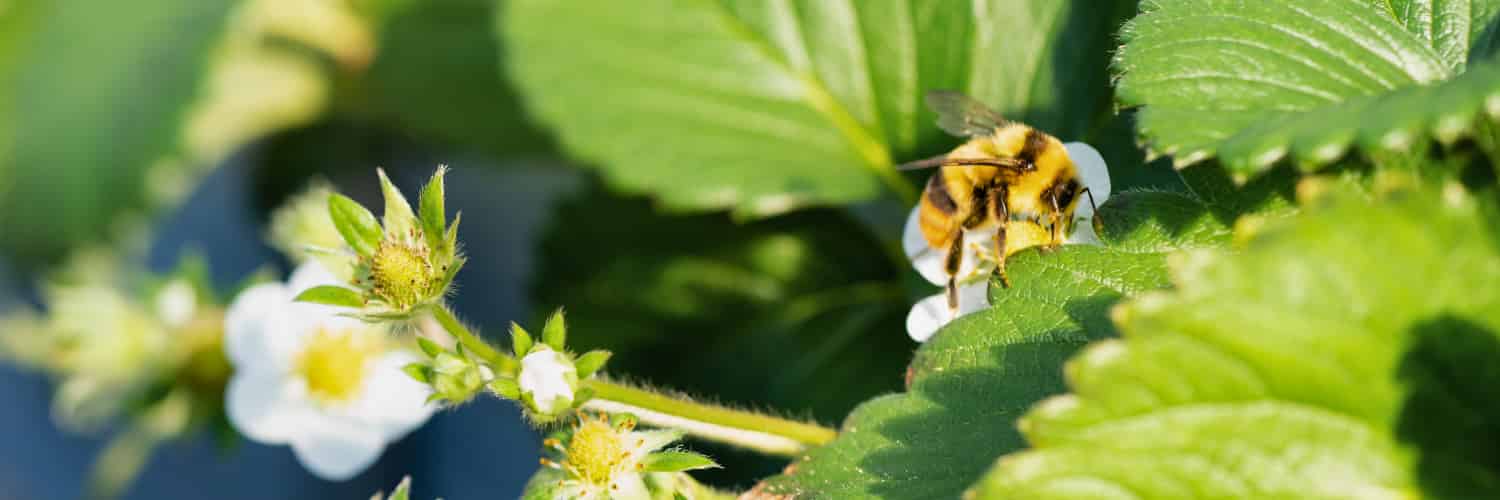
Abundant flies like Eristalis and wild bumblebees join domesticated honeybees as bugs for essential strawberry pollination, according to a new study tracking pollen transport.
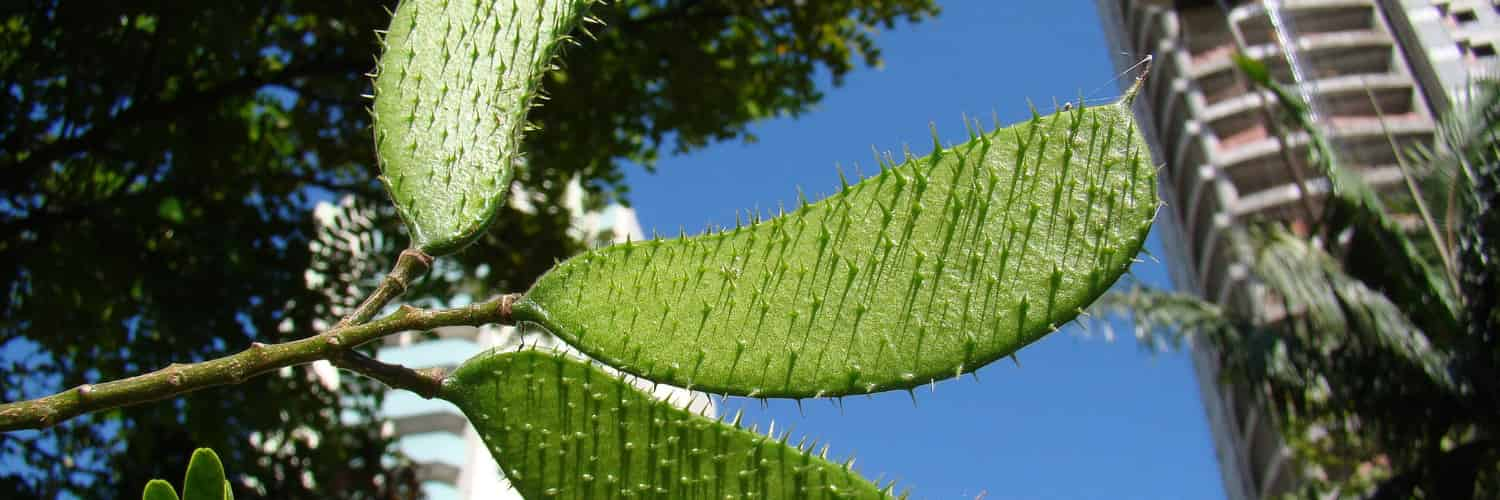
Genetic testing and leaf measurements uncover five lineages of Brazil’s iconic but endangered national tree pau-brasil, signalling undiscovered diversity and an urgent need to preserve the evolutionary breadth in the wild before it’s too late.
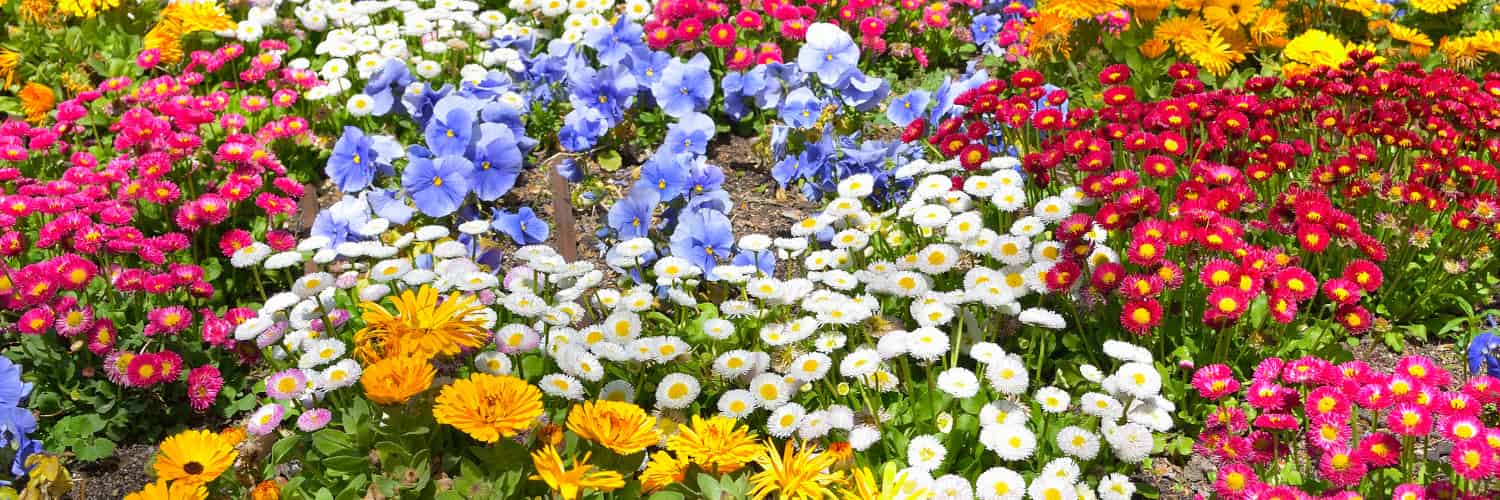
Scientists found that methods for quantifying bees’ floral preferences fundamentally disagree on which flowers bees find most attractive. In a new article, they identify the most reliable method, one that’s simple enough to apply to your own garden.
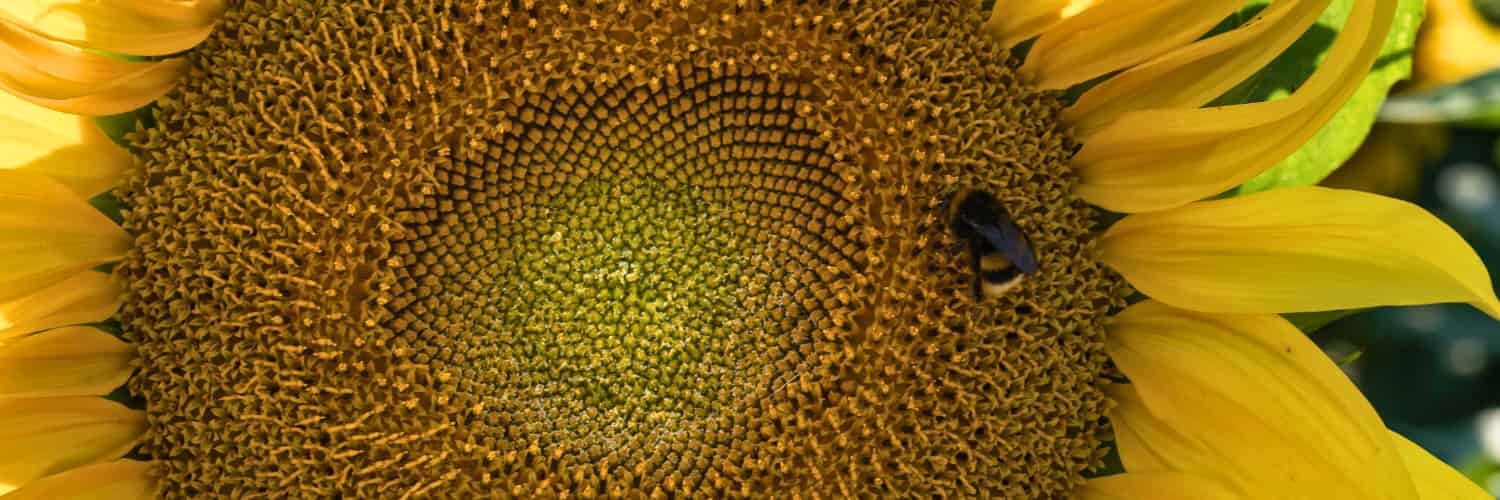
No matter how old or where it’s from, frozen sunflower pollen helps bumblebees fight off a common gut parasite that threatens bee health and pollination.
A new green roof in Melbourne, Australia, was rapidly colonized by insects, but results show that a green roof needs more than just plants to make a helpful ecological contribution.