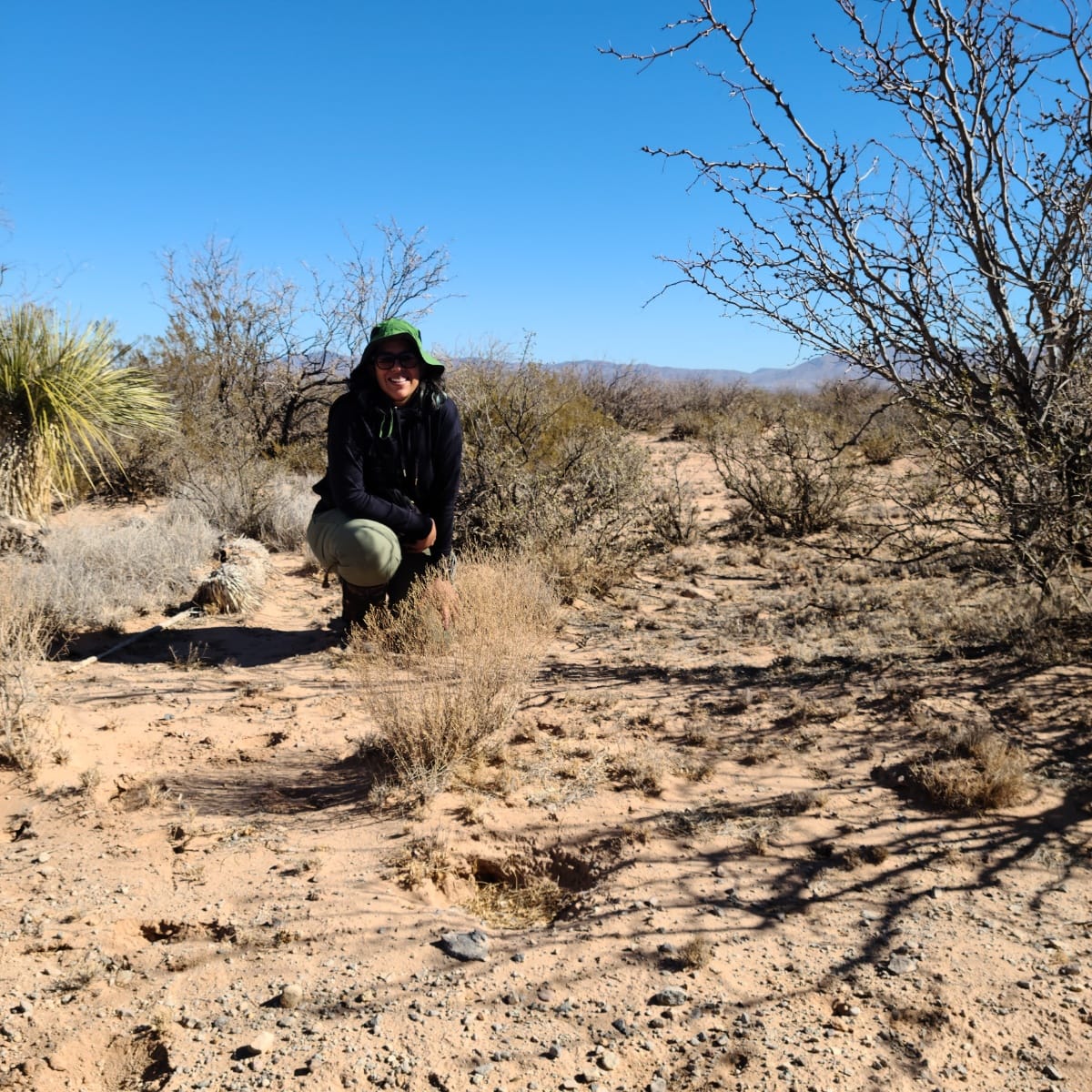



Plants are incredibly diverse, and so are botanists! In its mission to spread fascinating stories about the plant world, Botany One also introduces you to the scientists behind these great stories.
Today, we have Dr Adriana Romero-Olivares, a soil microbial ecologist and Assistant Professor at the University of California, Riverside. Her research focuses on understanding how fungi respond to environmental stress and global change, and how those responses influence ecosystem processes. In her lab, use trait-based approaches, microbiological techniques, and genomic tools to understand how fungal communities respond to environmental change and determine consequences to our ecosystems and society. You can learn more about Romero-Olivares' work on her lab's website, and you can follow her on Bluesky and LinkedIn.
What made you become interested in plants?
I often say that fungi chose me. When I was an undergraduate, life circumstances opened the opportunity for me to work in a lab that studied fungi. One thing led to another, and before I knew it, I was completely intrigued by their biology, especially their role in ecosystems.
What struck me most at the time was how overlooked they were. Despite being fundamental to ecosystem processes, there seemed to be relatively little attention on what fungi were actually doing in these systems. That realisation frustrated me -and in some ways it still does- although I do think fungi are receiving more recognition now than they did when I started. That feeling really motivated me to keep studying them and to help show just how essential they are to how ecosystems function.
What motivated you to pursue your current area of research?
I was drawn to studying fungi because they play such a central role in ecosystem functioning, yet many aspects of their biology and ecology remain poorly understood. Fungi regulate key processes such as decomposition, nutrient cycling, and interactions with plants and other organisms. Understanding how fungi respond to environmental change is essential for predicting how ecosystems will function in the future. My research is motivated by the desire to uncover these microbial mechanisms and integrate them into our understanding of ecosystem dynamics.
What is your favourite part of your work related to fungi?
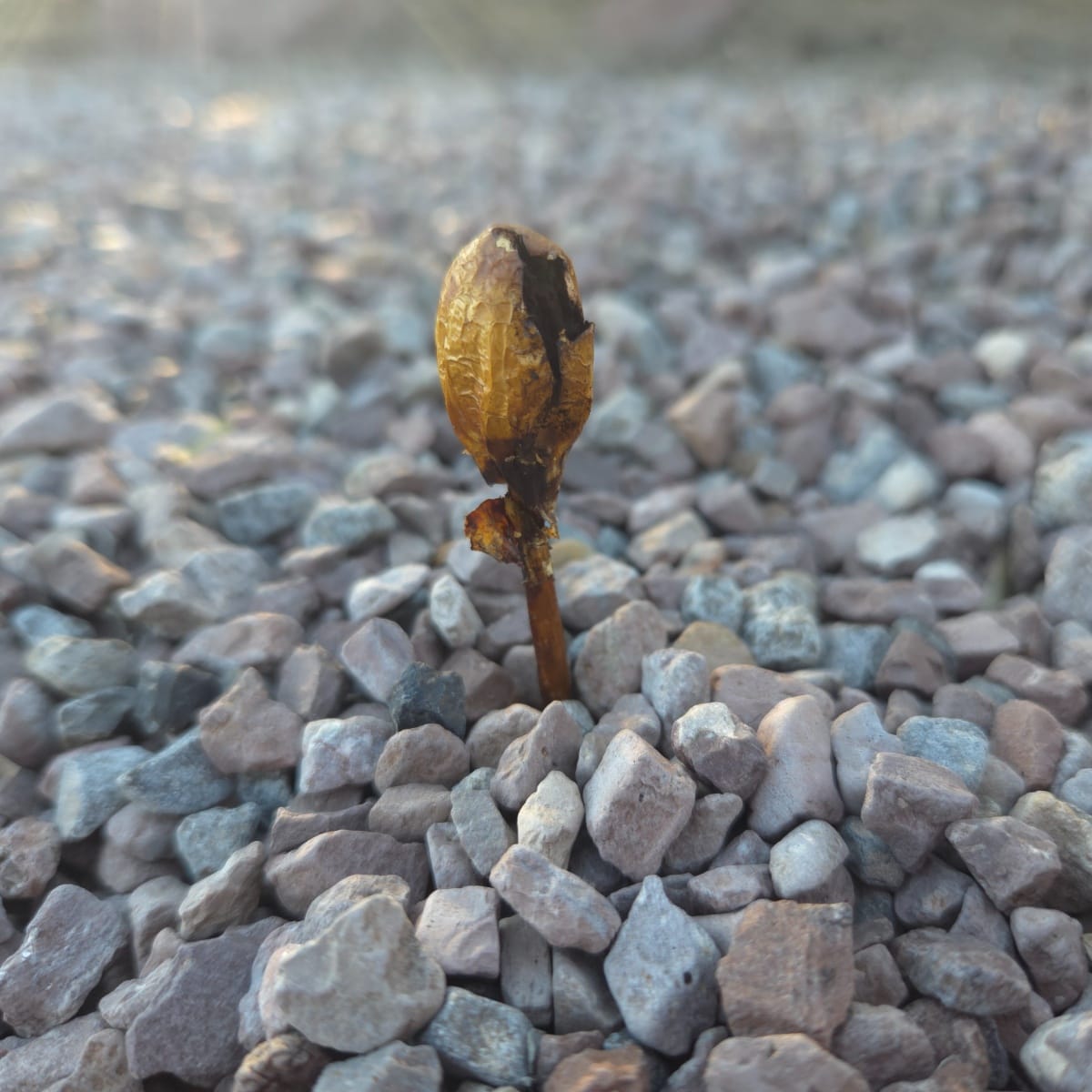
One of my favorite aspects of working with fungi is just how unique they are. I truly feel that studying them is incredibly important work. I find fungi both charismatic and mysterious at the same time, which makes them endlessly fascinating. I also love discovering how adaptable they are. Fungi exhibit an incredible range of strategies to survive environmental stress, constantly adjusting their physiology and metabolism to changing conditions. Another aspect I find exciting is how flexible their ecological roles can be. A single species may behave as a pathogen in one context, a saprotroph in another, or even engage in symbiotic relationships depending on environmental conditions. That versatility makes studying fungi both challenging and incredibly interesting.
Are there any specific fungi or species that have intrigued or inspired your research? If so, what are they and why?
I mostly work with whole communities so I’m incredibly fascinated by the incredible diversity of fungi and the range of ecological strategies they exhibit. Many fungi can shift between different lifestyles depending on environmental conditions, which raises interesting ecological questions about how they balance survival, metabolism, and interactions with other organisms.
That said, in the past -for the first chapter of my PhD- I worked with a model fungus: Neurospora discreta; as such, it has a special place in my heart as I remember those times fondly.
Could you share an experience or anecdote from your work that has marked your career and reaffirmed your fascination with plants?
During my master’s, I worked in ecosystems where fungi were rarely studied at the time, including dryland soils and deep-sea sediments. I remember meeting researchers who were genuinely sceptical that fungi even existed in those environments. Meanwhile, through my work, I was consistently finding abundant fungal communities. That scepticism frustrated me, but it also motivated me. It reinforced the feeling that it was important to keep studying these organisms and documenting their presence and roles in ecosystems where they had been largely overlooked. Looking back now, almost twenty years later, it is clear that fungi are not only present in these environments but are essential components of them. Seeing how the field has evolved since then has been incredibly rewarding and has reaffirmed my fascination with fungi and their ecological importance.
What advice would you give young scientists considering a career in fungal biology?
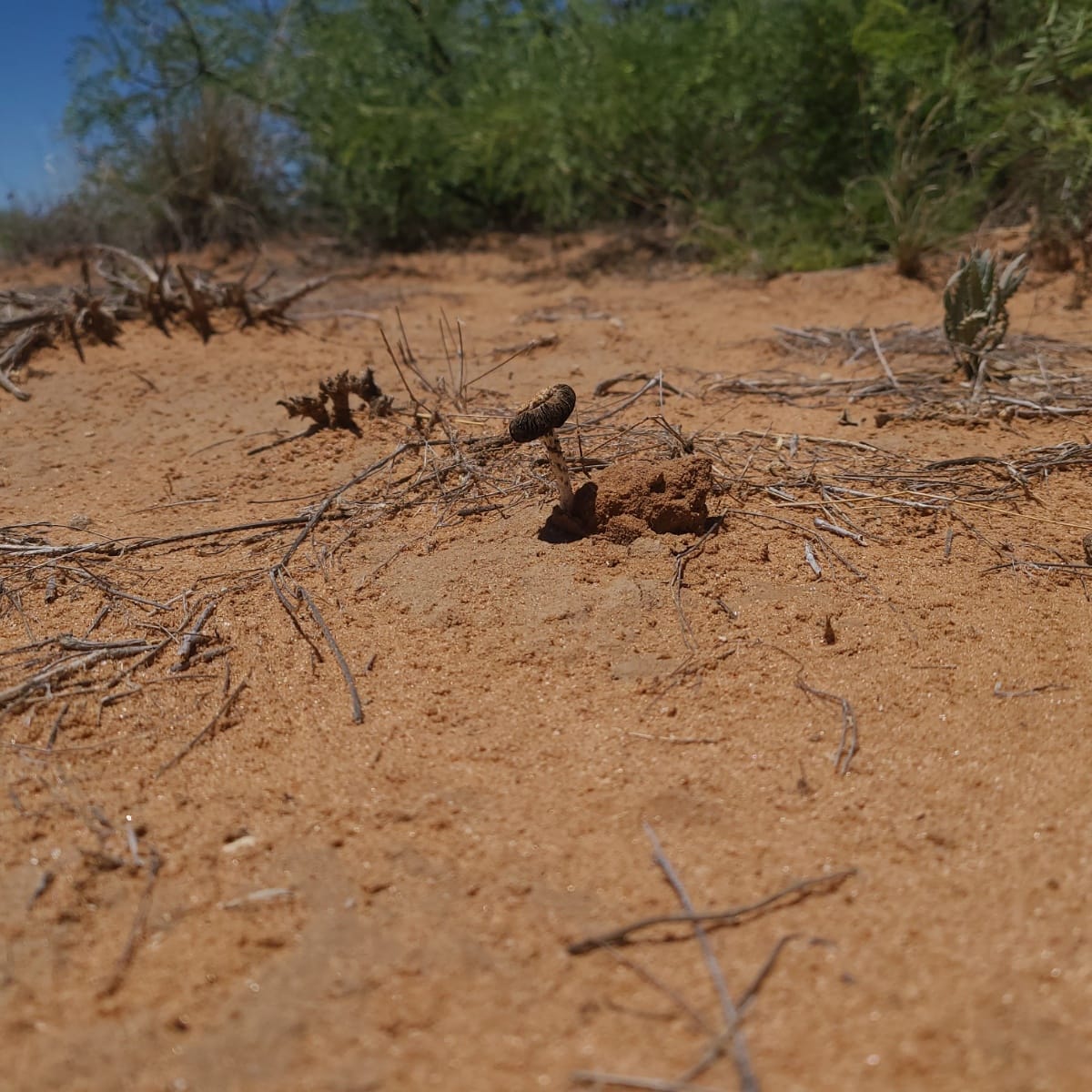
It’s a wonderful field to be part of. There is still so much to study and discover, which makes it an exciting area for young scientists. Working with fungi also helps you develop many transferable skills, from experimental design and data analysis to interdisciplinary thinking, which can open doors to many career paths beyond academia. Most importantly, you will never be bored. Fungi are truly fascinating organisms, and I constantly find myself learning new things about them. They can be surprising, complex, and sometimes downright wild, and that sense of discovery is what keeps the work so exciting.
What do people usually get wrong about fungi?
One common misconception is that fungi are mainly pathogens or organisms that matter only through their relationships with plants, such as mycorrhizal fungi. In reality, fungi perform a vast range of ecological functions and are central players in ecosystem processes. Many fungi live independently in soil, where they carry out essential work such as decomposing organic matter and cycling nutrients. Because of this, fungi are often undervalued and mostly appreciated through the lens of plants, despite being fundamental to how ecosystems function. Another misunderstanding is that microbial organisms are simple or passive. Fungi have remarkably complex strategies to cope with environmental stress, interact with other organisms, and regulate their metabolism, which makes them far more dynamic and sophisticated than people often assume.