


Scientists have published some good news. The population of an endangered Czech flower, Minuartia smejkalii, went from just 434 individuals in Czechia to over 2,600 plants six years later. Who were the conservation heroes? Czech gardeners. The technique could be used to save plants elsewhere.
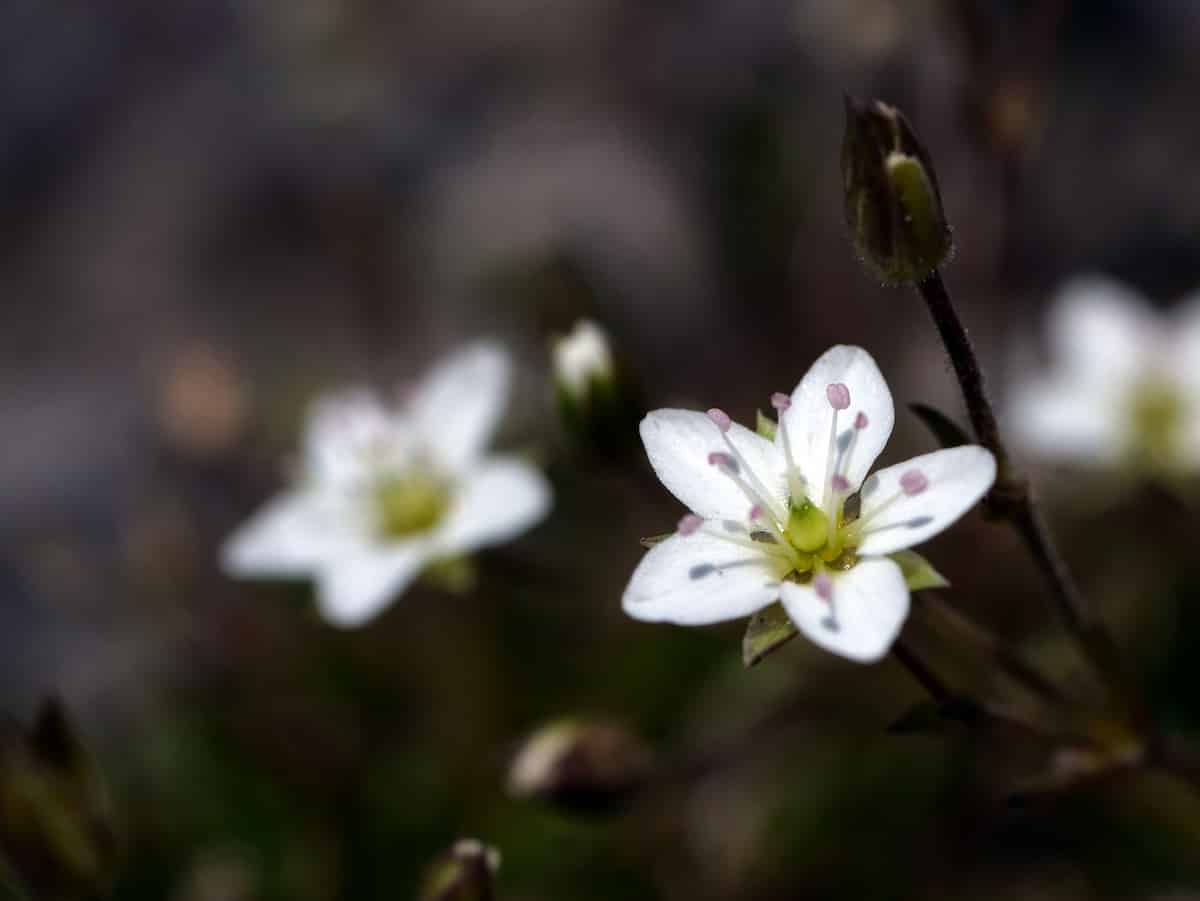
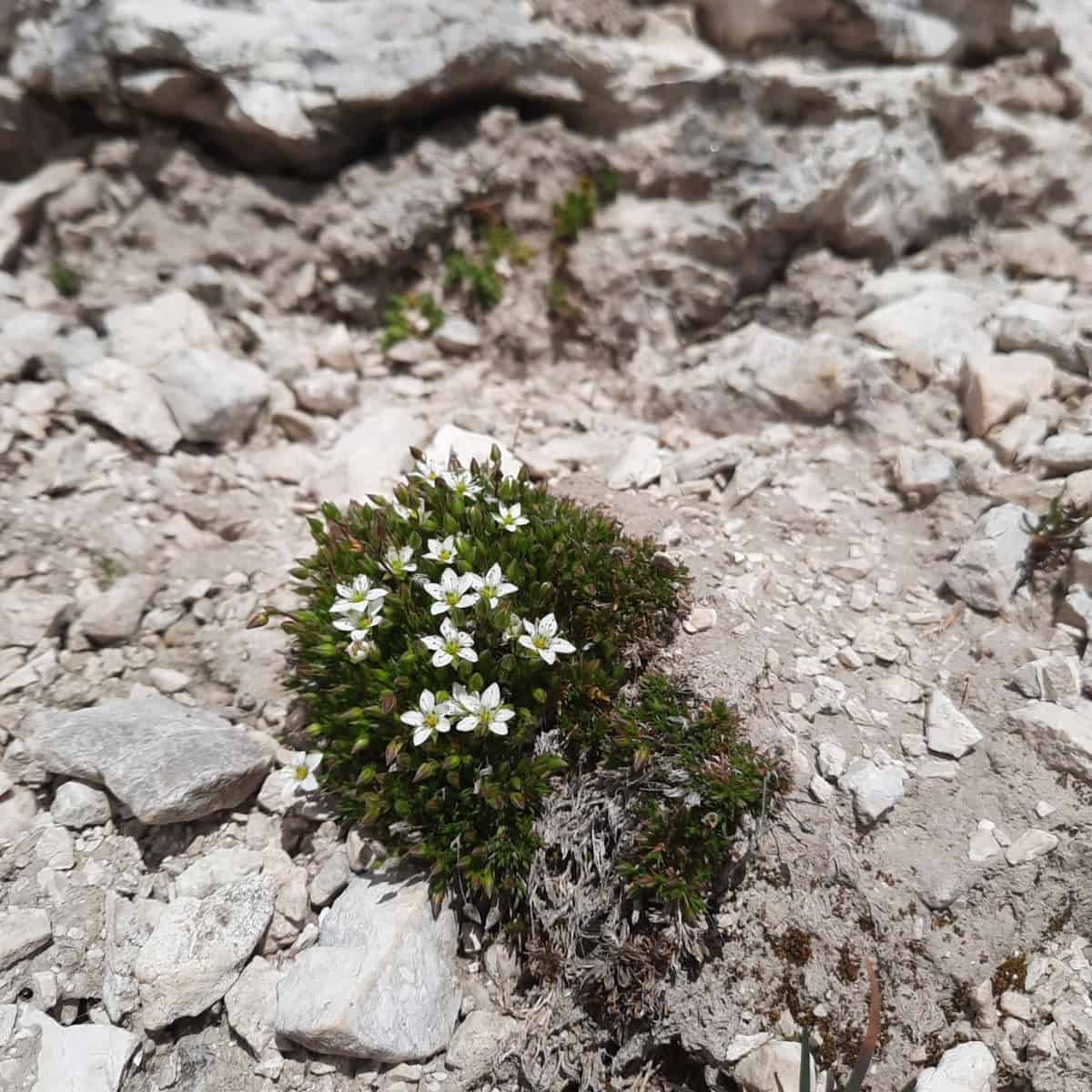
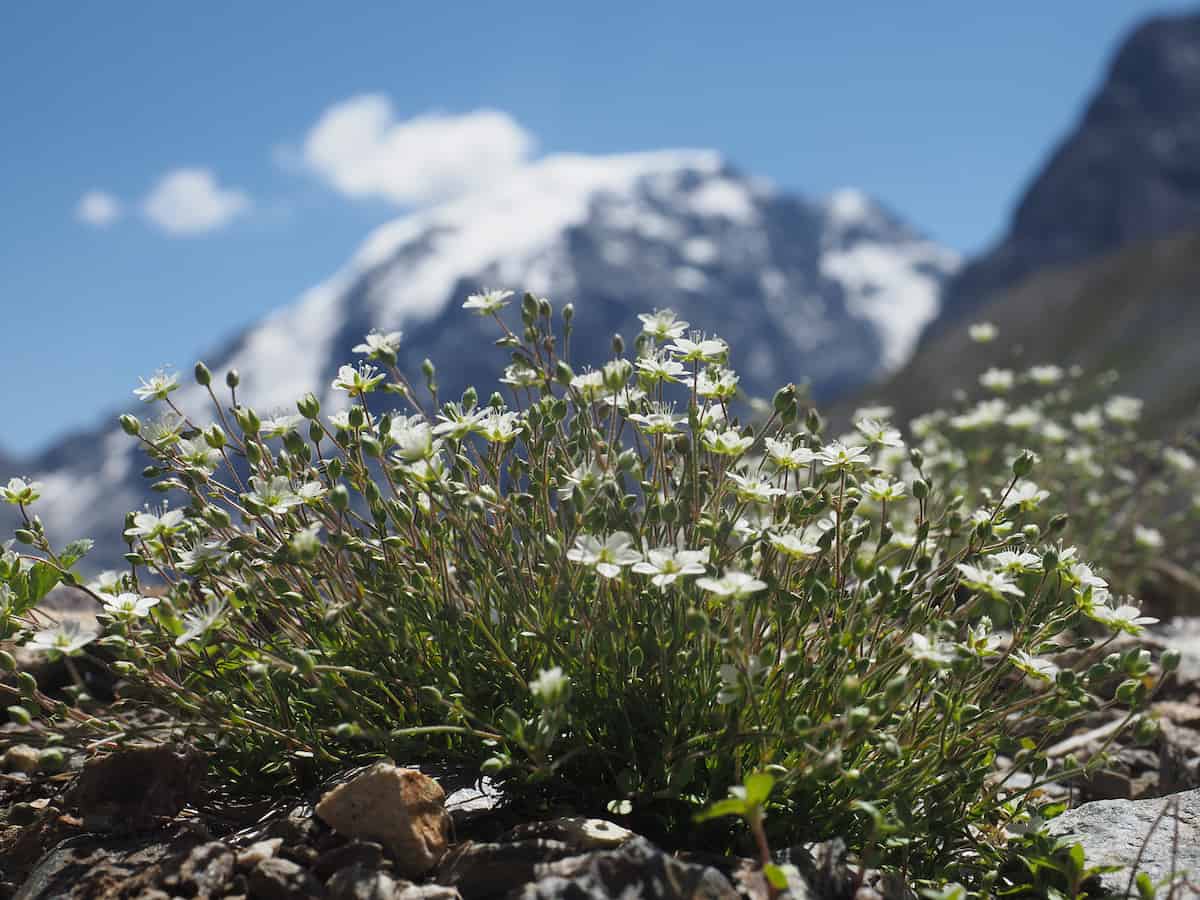
Minuartia smejkalii might not look much to the average gardener. It’s a short 5cm – 15cm plant with five white petals when it blooms. But while it’s small, it’s also mighty. It lives in serpentine soils, nutrient poor soils derived from rocks high in heavy metals that kill most plants. The plant is a specialist, but can’t easily find the right soil. Currently it survives in the wild in just two locations, threatened by habitat loss, construction, and vandalism. Populations in botanical gardens don’t help. They’re too far from M. smejkalii‘s home to share genetic material.
The solution was simple. If the right soil is too far away, then move closer. Botanists created artificial serpentine mounds in 19 private gardens and 2 botanical gardens near natural populations. This expanded the soil available close to the wild populations for ex-situ conservation. 73% of transplanted plants survived their first year, though sadly only 25% made it through the second year. But reproduction was successful, with 70-95% of seeds germinating. This means that the plants were able to establish long-term populations at the new ex-situ sites.
The private gardens were the key to success. Being close to the wild populations, they experience similar climate and soil conditions. This similarity helped a lot. It’s crucial for Minuartia smejkalii, which needs specific toxic soil chemistry to grow and to keep competition away.
While the Minuartia smejkalii plants in gardens perform comparatively poorly and suffered greater mortality, there were positives. They exhibited much higher trait variability, which is important for species adaptation. So the independent populations had something to offer back to the wild. Having multiple sites helps reduce the threat of extinction. The sites each have their own unique conditions which helps build genetic diversity between populations. This means that when plants are re-introduced to the wild, they can benefit from a vigorous genetic mix in their new home.
The researchers note that using private gardens as part of the ex-situ conservation network got some of the plant’s most important allies involved – gardeners. The project increased awareness about the species’ plight among people who really care about plants, and can do something to help.
The work by the gardeners is already achieving results. Follow-up projects are using seeds from garden populations to reintroduce Minuartia smejkalii back to places where it used to grow. The method has been approved for other Czech species, and it could work globally for endangered plants. If the plan is adopted elsewhere for other species, this could have a big effect on conservation. There are way more private gardens than botanic gardens, so working together gardeners could create distributed rescue networks.
READ THE ARTICLE
Bucher, S.F., Münzbergová, Z. and Pánková, H. (2025) “Using private gardens to conserve Minuartia smejkalii – a novel approach for ex situ conservation,” Biological Conservation, 310(111345), p. 111345. Available at: https://doi.org/pwhg (FREE)
Cross-posted to Bluesky & Mastodon.
Cover image: Minuartia smejkalii / Sabulina verna in Italy by hardy13 / iNaturalist. CC-BY