


We often use the word “roots” as a metaphor for origins. If that’s the case then scientists in Japan have made the surprising discovery that the roots of roots aren’t in roots. Root development uses a gene that evolved before nature had the idea of developing roots. Hidehiro Fukaki says his research group found that a gene called RLF is necessary for lateral root development in the model plant Arabidopsis thaliana, But the RLF gene family is involved in plant organ development. Is RLF important in other plants too?
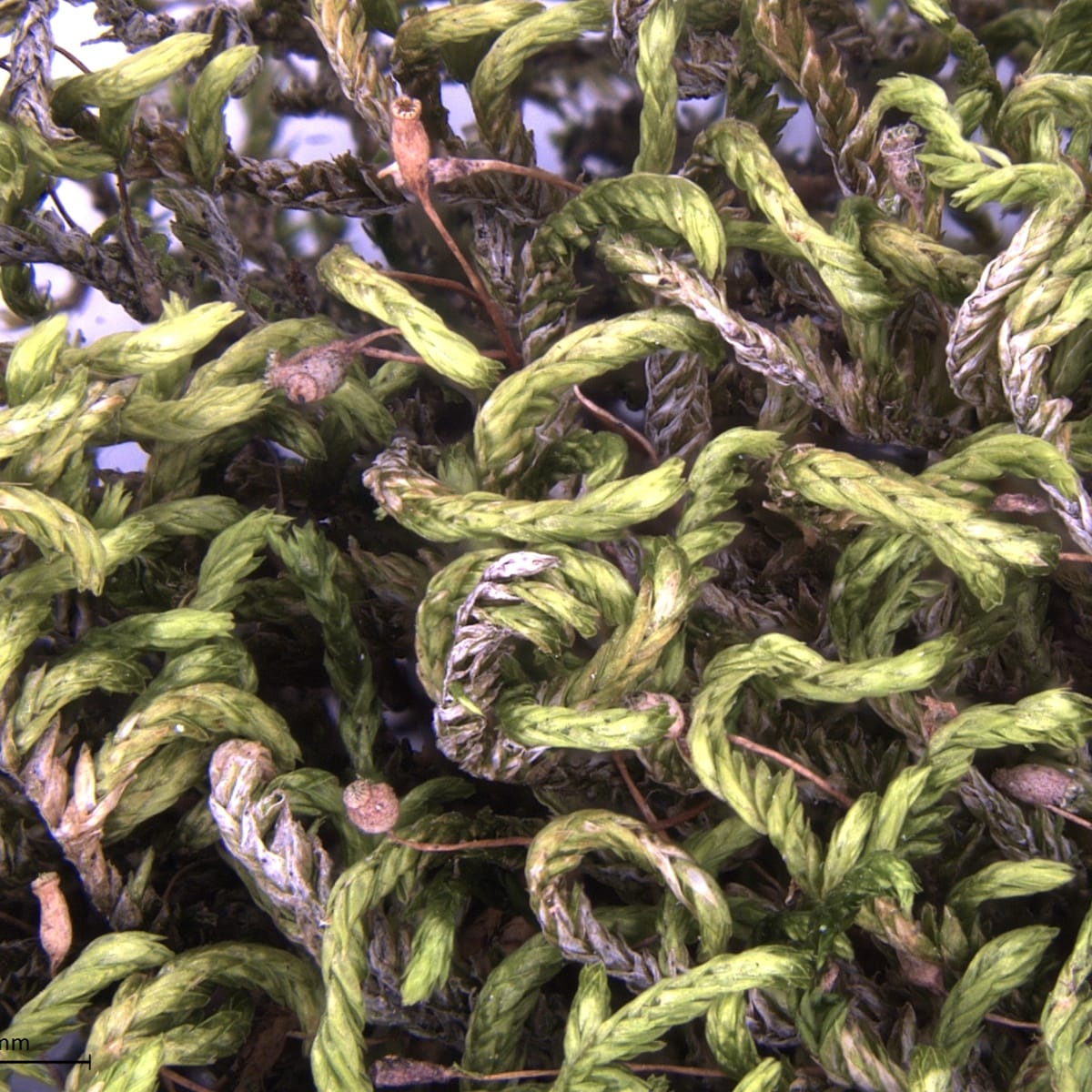
They looked at RLF genes in the umbrella liverwort, Marchantia polymorpha. This is a bryophyte, a plant that doesn’t have roots. If it, and Arabidopsis have RLF genes, it’s likely their rootless common ancestor did around 500 million years ago. What did it use these root genes for? They found the RLF gene produces a protein that belongs to the vast group of heme-binding proteins and that means that it may bind a molecule called “heme,” which is involved in energy transfer in cells. But it turns out that this gene is doing more than helping manage energy.
Fukaki & colleagues found liverworts lacking RLF have severe deformations in various organs, showing that RLF is involved in organ development in bryophytes as well. They also show that the Arabidopsis gene could perform its function in the liverwort and the liverwort’s gene in Arabidopsis. The RLF protein makes a pocket for heme, and then locks it in position with specific amino acids. This acts as a molecular switch for electron transfers or protein interactions, which could cause a cascade of signals triggering the building of new organs.
Fukaki says this is significant. “The fact that RLF plays an important role in organ development since at least the dawn of land plants is an example of how evolution often co-opts existing mechanisms for new functions, such as for root development, which evolved only after liverworts and mosses branched off the other land plants.”
A better understanding of evolution is worthwhile in itself, but because RLF is found in all sorts of plants it also has practical value. It might not have started as a root gene, but it is now. Improving roots would be helpful for increasing crops yields and resilience to global change.
Iwata, K.P., Shimizu, T., Sakai, Y., Furuya, T., Fukumura, H., Kondo, Y., Masuda, T., Ishizaki, K. and Fukaki, H. 2025 “Evolutionary‐conserved RLF, a cytochrome b5‐like heme‐binding protein, regulates organ development in Marchantia polymorpha,” New Phytologist. https://doi.org/g9k8xd.
Cross-posted to Bluesky & Mastodon.
Image: Canva.